أكدت الآلية الخماسية المعنية بالأزمة السودانية التزامها بدعم عملية سياسية شاملة يقودها السودانيون أنفسهم، بهدف التوصل إلى سلام مستدام وإنهاء حالة الصراع التي تشهدها البلاد منذ أكثر من 3 أعوام، مشيرة إلى أن المشاورات التي استضافتها العاصمة الإثيوبية أديس أبابا خلال الأيام الماضية أحرزت تقدماً في جهود الإعداد لحوار سياسي سوداني–سوداني شامل.
وقالت الآلية، التي تضم الاتحاد الأفريقي، والهيئة الحكومية للتنمية الأفريقية (إيغاد)، وجامعة الدول العربية، والاتحاد الأوروبي، والأمم المتحدة، إن المشاورات التي جرت بين 3 و5 يونيو الجاري جاءت استكمالاً لمخرجات مؤتمر برلين الذي عقد في أبريل الماضي، وشهدت مشاركة طيف واسع من القوى السياسية والمدنية السودانية.
مشاورات تمهد لحوار سوداني شامل
وأوضح البيان أن النقاشات ركزت على السبل الممكنة لتشكيل لجنة تحضيرية تمهد لإطلاق حوار سياسي شامل بين السودانيين، في وقت لا تزال فيه البلاد تواجه تحديات سياسية وأمنية وإنسانية معقدة.
وأضافت الآلية أن المشاورات كانت «صعبة ولكنها مثمرة» وشهدت تعاوناً بين ممثلين من مختلف الأطياف السودانية لصياغة مسودات نصوص ومقترحات مكتوبة، فيما ينتظر تقديم مساهمات إضافية خلال المرحلة القادمة.
وأعربت المجموعة الخماسية عن ثقتها في أن الأساس اللازم لإطلاق مناقشات أوسع وأكثر شمولاً بين مختلف مكونات المجتمع السوداني بدأ يتشكل، بما يفتح الباب أمام عملية سياسية ذات مصداقية قادرة على معالجة جذور الأزمة ووضع أسس سلام عادل ودائم.
خطوط حمراء ضد التقسيم والحكومات الموازية
وشدد البيان على احترام الآلية الكامل لسيادة السودان ووحدته وسلامة أراضيه، مؤكداً رفضها لأي محاولات لتقويض هذه المبادئ، بما في ذلك إنشاء أو فرض هياكل حكم موازية قد تؤدي إلى مزيد من تفتيت الدولة السودانية.
كما دعت الآلية الأطراف الإقليمية والدولية المؤثرة إلى دعم جهود خفض التصعيد وتهيئة الظروف المناسبة للوصول إلى تسوية تفاوضية تنهي الحرب المستمرة وتعيد الاستقرار إلى البلاد.
أزمة إنسانية هي الأكبر عالمياً
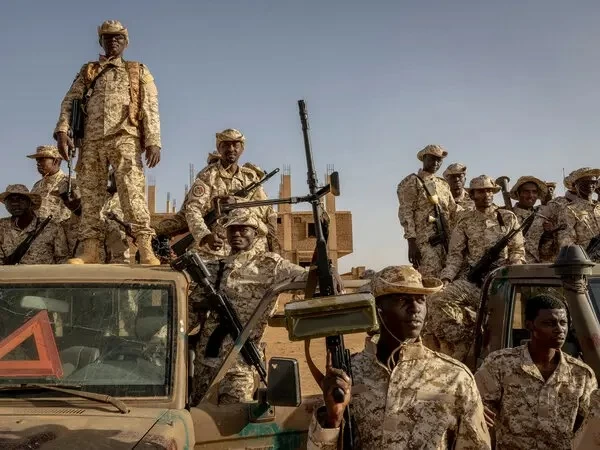
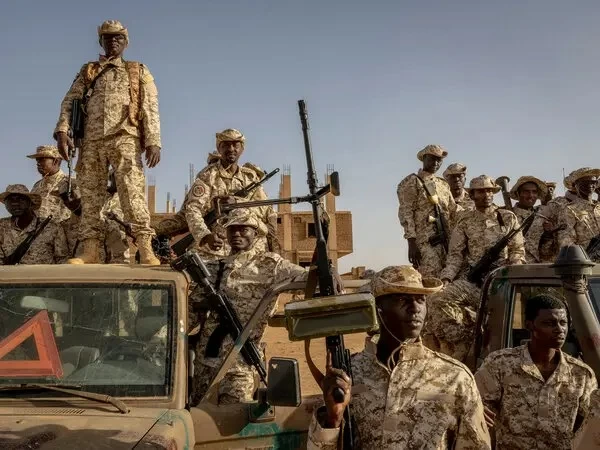
تأتي هذه التحركات في ظل استمرار الحرب بين القوات المسلحة السودانية وقوات الدعم السريع منذ أبريل 2023، وهي الحرب التي تسببت في واحدة من أكبر الأزمات الإنسانية في العالم وفق تقديرات الأمم المتحدة، حيث أدت إلى نزوح ولجوء ملايين السودانيين وتدهور الأوضاع الاقتصادية والخدمية في مختلف أنحاء البلاد.
وخلال الأشهر الأخيرة، كثفت الأمم المتحدة والاتحاد الأفريقي والشركاء الإقليميون والدوليون جهودهم لإحياء المسار السياسي بالتوازي مع المساعي الإنسانية، وسط مخاوف متزايدة من تفكك مؤسسات الدولة واتساع رقعة الانقسام السياسي والجغرافي داخل السودان.
وتحظى مبادرة تشكيل لجنة تحضيرية لحوار سوداني–سوداني باهتمام دولي باعتبارها خطوة تمهيدية لإطلاق عملية سياسية أوسع تشمل القوى المدنية والسياسية والمجتمعية، وتسعى إلى التوافق على رؤية مشتركة لمستقبل البلاد بعد الحرب.
The five-member mechanism concerned with the Sudanese crisis has reaffirmed its commitment to supporting an inclusive political process led by the Sudanese themselves, aimed at achieving sustainable peace and ending the state of conflict that has plagued the country for more than three years. It noted that the consultations hosted by the Ethiopian capital, Addis Ababa, in recent days have made progress in efforts to prepare for an inclusive Sudanese-Sudanese political dialogue.
The mechanism, which includes the African Union, the Intergovernmental Authority on Development (IGAD), the Arab League, the European Union, and the United Nations, stated that the consultations held between June 3 and 5 were a continuation of the outcomes of the Berlin Conference held last April, and witnessed the participation of a wide spectrum of Sudanese political and civil forces.
Consultations pave the way for an inclusive Sudanese dialogue
The statement clarified that discussions focused on possible ways to form a preparatory committee to pave the way for launching an inclusive political dialogue among Sudanese, at a time when the country continues to face complex political, security, and humanitarian challenges.
The mechanism added that the consultations were “difficult but fruitful” and saw cooperation among representatives from various Sudanese factions to draft written texts and proposals, while additional contributions are expected in the upcoming phase.
The five-member group expressed confidence that the necessary foundation for launching broader and more inclusive discussions among the various components of Sudanese society is beginning to take shape, opening the door for a credible political process capable of addressing the root causes of the crisis and laying the foundations for just and lasting peace.
Red lines against division and parallel governments
The statement emphasized the mechanism’s full respect for Sudan’s sovereignty, unity, and territorial integrity, affirming its rejection of any attempts to undermine these principles, including the establishment or imposition of parallel governance structures that could lead to further fragmentation of the Sudanese state.
The mechanism also called on influential regional and international parties to support efforts to de-escalate tensions and create the appropriate conditions for reaching a negotiated settlement that ends the ongoing war and restores stability to the country.
The largest humanitarian crisis globally
These moves come amid the ongoing war between the Sudanese Armed Forces and the Rapid Support Forces since April 2023, a conflict that has caused one of the largest humanitarian crises in the world according to United Nations estimates, leading to the displacement and refugee status of millions of Sudanese and the deterioration of economic and service conditions across the country.
In recent months, the United Nations, the African Union, and regional and international partners have intensified their efforts to revive the political track alongside humanitarian endeavors, amid growing fears of the disintegration of state institutions and the widening political and geographical divide within Sudan.
The initiative to form a preparatory committee for Sudanese-Sudanese dialogue has garnered international attention as a preliminary step to launching a broader political process that includes civil, political, and community forces, aiming to reach a common vision for the future of the country after the war.