

أثارت معلومات استخبارات أمريكية الشكوك بشأن استعداد إيران لتقديم التنازلات النووية التي تطلبها واشنطن في أي اتفاق نهائي، بحسب ما نقل موقع «أكسيوس» عن ثلاثة مصادر مطلعة، مؤكدة أن مدير وكالة الاستخبارات المركزية جون راتكليف، أبلغ الرئيس دونالد ترمب ومسؤولين كباراً بهذه المعلومات.
نوايا إيران والتزاماتها
ويستبعد المشككون داخل الإدارة الأمريكية أن توقع إيران اتفاقاً نووياً بالشروط الأمريكية، وأنها ستستفيد من مذكرة التفاهم أكثر من الولايات المتحدة.
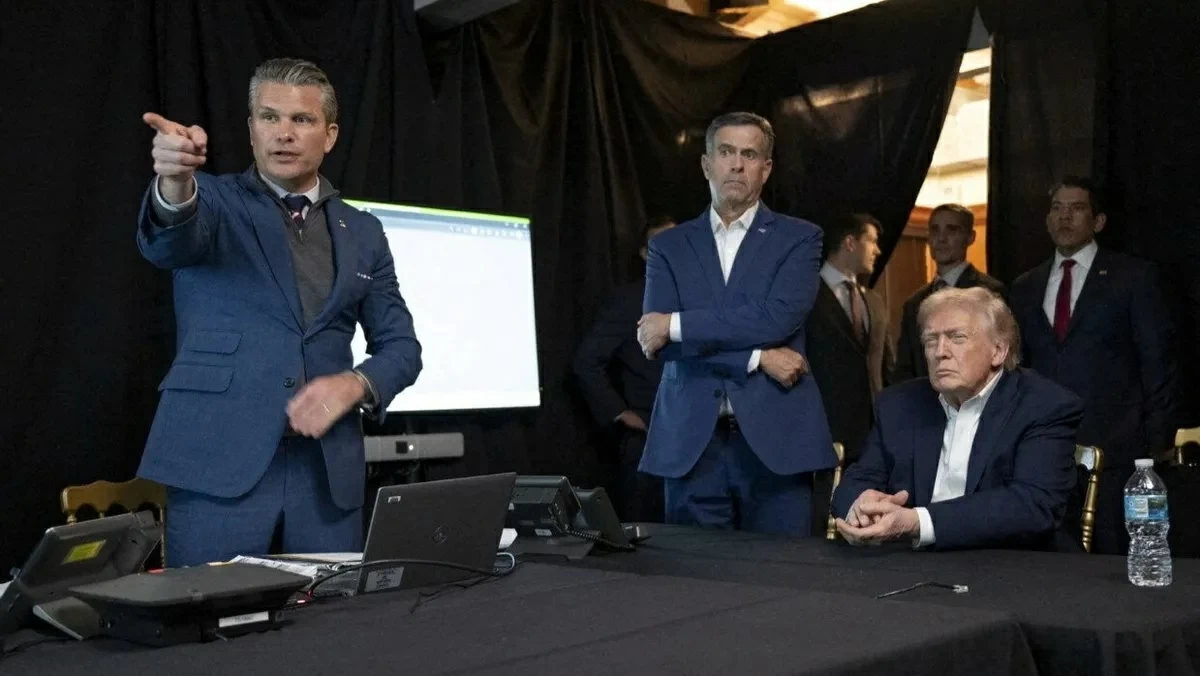
وبحسب مصدرين، لا يُعد راتكليف الوحيد المتشكك داخل فريق ترمب، إذ أعرب وزير الخارجية ماركو روبيو، ووزير الحرب بيت هيجسيث عن مخاوف، وطرحا تساؤلات بشأن الاتفاق خلال مناقشات داخلية، بينما دافع نائب الرئيس جي دي فانس، والمبعوثان ستيف ويتكوف، وجاريد كوشنر عن المضي فيه. وذكر الموقع أن الفترة التي سبقت إعلان الاتفاق، الأحد، شهدت سلسلة اجتماعات رفيعة المستوى جمعت ترمب ومستشاريه لمناقشة تفاصيله.
وحسب المصادر فإن ترمب وفريقه ناقشوا خلال تلك الاجتماعات، معلومات جمعتها عدة أجهزة استخبارات أمريكية أظهرت أن الطريقة التي كان المسؤولون الإيرانيون يتحدثون بها عن الاتفاق في ما بينهم لا تتسق مع ما كانوا يبلغونه للوسطاء والولايات المتحدة، وفق «أكسيوس».
ونقل الموقع عن أحد المصادر قوله: تشير المعلومات الاستخباراتية إلى أن نوايا إيران لا تتوافق مع التزاماتها بموجب الاتفاق.
وأكد مسؤول في البيت الأبيض أن «ترمب يستمع إلى جميع الآراء بشأن أي قضية، لكن الجميع يدرك أنه صاحب القرار النهائي».
وأضاف أن مذكرة التفاهم «تلبي جميع الخطوط الحمراء التي حددتها الإدارة منذ فترة طويلة، والتي تضمن عدم امتلاك إيران سلاحاً نووياً مطلقاً، وعدم احتفاظها باليورانيوم عالي التخصيب، وعدم قدرتها على احتجاز إمدادات الطاقة العالمية رهينة».
بحث المرحلة التالية من المفاوضات
ومن المقرر أن يجتمع فانس وويتكوف وكوشنر، (الجمعة)، مع رئيس البرلمان الإيراني محمد باقر قاليباف ووزير الخارجية عباس عراقجي، إلى جانب وسطاء من باكستان وقطر، لبحث المرحلة التالية من المفاوضات.
وحسب مصدر مطلع، فإن المذكرة تنص على أن الولايات المتحدة وإيران تلتزمان بتسوية مصير المواد المخصبة المخزنة، ومناقشة مسألة التخصيب المستقبلي وغيرها من المسائل المتفق عليها والمتعلقة بالحاجات النووية الإيرانية، استناداً إلى إطار مُرضٍ يتم الاتفاق عليه في الاتفاق النهائي”.
وأضاف أن المذكرة تنص على محافظة إيران على الوضع القائم في برنامجها النووي طوال فترة استمرار المفاوضات، فيما تمتنع الولايات المتحدة عن فرض عقوبات جديدة أو نشر قوات إضافية في المنطقة.
وفي حال جرى التوصل إلى اتفاق نووي نهائي، فستسحب الولايات المتحدة خلال 30 يوماً القوات التي حشدتها إبان الحرب، وسترفع العقوبات المفروضة على إيران وفق جدول زمني متفق عليه، بحسب المصدر.
في المقابل، أكد مسؤولان أمريكيان رفيعا المستوى، أن أي مكاسب قد تحققها إيران ستظل مرتبطة باتخاذ خطوات ملموس
وقال أحد المسؤولين إن الولايات المتحدة ستتمكن خلال أسبوعين إلى ثلاثة أسابيع من معرفة ما إذا كانت إيران جادة في تقديم تنازلات في الملف النووي، مضيفاً أنه إذا لم يحدث ذلك فقد تتوقف العملية دون أن تحقق طهران مكاسب كبيرة.
U.S. intelligence information has raised doubts about Iran’s willingness to make the nuclear concessions requested by Washington in any final agreement, according to what the “Axios” website reported from three informed sources, confirming that CIA Director John Ratcliffe informed President Donald Trump and senior officials of this information.
Iran’s Intentions and Commitments
Skeptics within the U.S. administration doubt that Iran will sign a nuclear agreement on American terms, believing that it will benefit more from the memorandum of understanding than the United States.
According to two sources, Ratcliffe is not the only skeptic within Trump’s team, as Secretary of State Marco Rubio and Secretary of Defense Pete Hegseth expressed concerns and raised questions about the agreement during internal discussions, while Vice President J.D. Vance and envoys Steve Witkoff and Jared Kushner defended proceeding with it. The website mentioned that the period leading up to the announcement of the agreement on Sunday saw a series of high-level meetings between Trump and his advisors to discuss its details.
According to the sources, Trump and his team discussed during those meetings information gathered by several U.S. intelligence agencies, which showed that the way Iranian officials were talking about the agreement among themselves was inconsistent with what they were conveying to intermediaries and the United States, according to “Axios.”
The site quoted one of the sources as saying: Intelligence information indicates that Iran’s intentions do not align with its commitments under the agreement.
A White House official confirmed that “Trump listens to all opinions on any issue, but everyone knows he is the one who makes the final decision.”
He added that the memorandum of understanding “meets all the red lines that the administration has long established, which ensure that Iran will never possess a nuclear weapon, will not retain highly enriched uranium, and will not be able to hold global energy supplies hostage.”
Discussing the Next Phase of Negotiations
Vance, Witkoff, and Kushner are scheduled to meet (on Friday) with Iranian Parliament Speaker Mohammad Baqer Qalibaf and Foreign Minister Abbas Araghchi, along with intermediaries from Pakistan and Qatar, to discuss the next phase of negotiations.
According to an informed source, the memorandum stipulates that the United States and Iran commit to resolving the fate of the stored enriched materials and discussing the issue of future enrichment and other agreed-upon matters related to Iran’s nuclear needs, based on a satisfactory framework to be agreed upon in the final agreement.
He added that the memorandum stipulates that Iran maintain the status quo in its nuclear program throughout the duration of the negotiations, while the United States refrains from imposing new sanctions or deploying additional forces in the region.
If a final nuclear agreement is reached, the United States will withdraw the forces it had mobilized during the war within 30 days and lift the sanctions imposed on Iran according to an agreed-upon timeline, according to the source.
In return, two senior U.S. officials confirmed that any gains Iran may achieve will remain linked to taking concrete steps.
One of the officials stated that the United States will be able to determine within two to three weeks whether Iran is serious about making concessions on the nuclear issue, adding that if this does not happen, the process may come to a halt without Tehran achieving significant gains.