

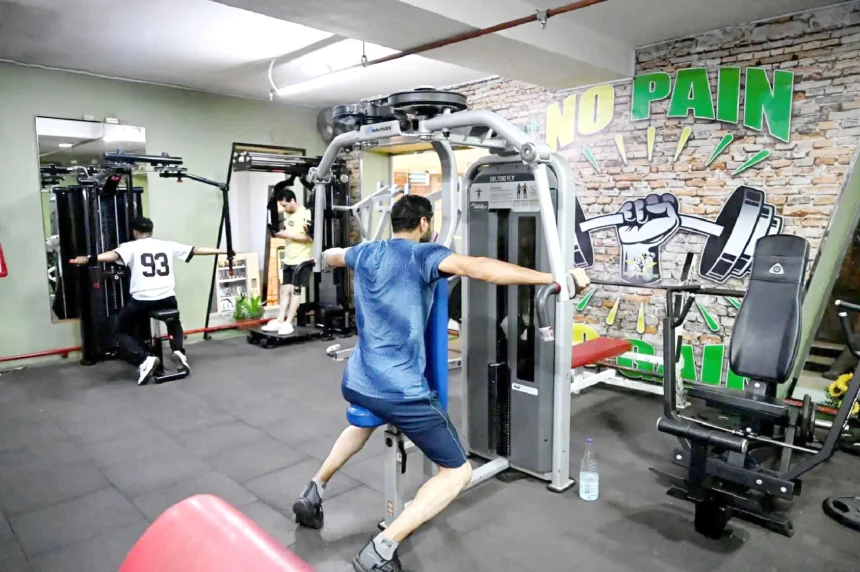
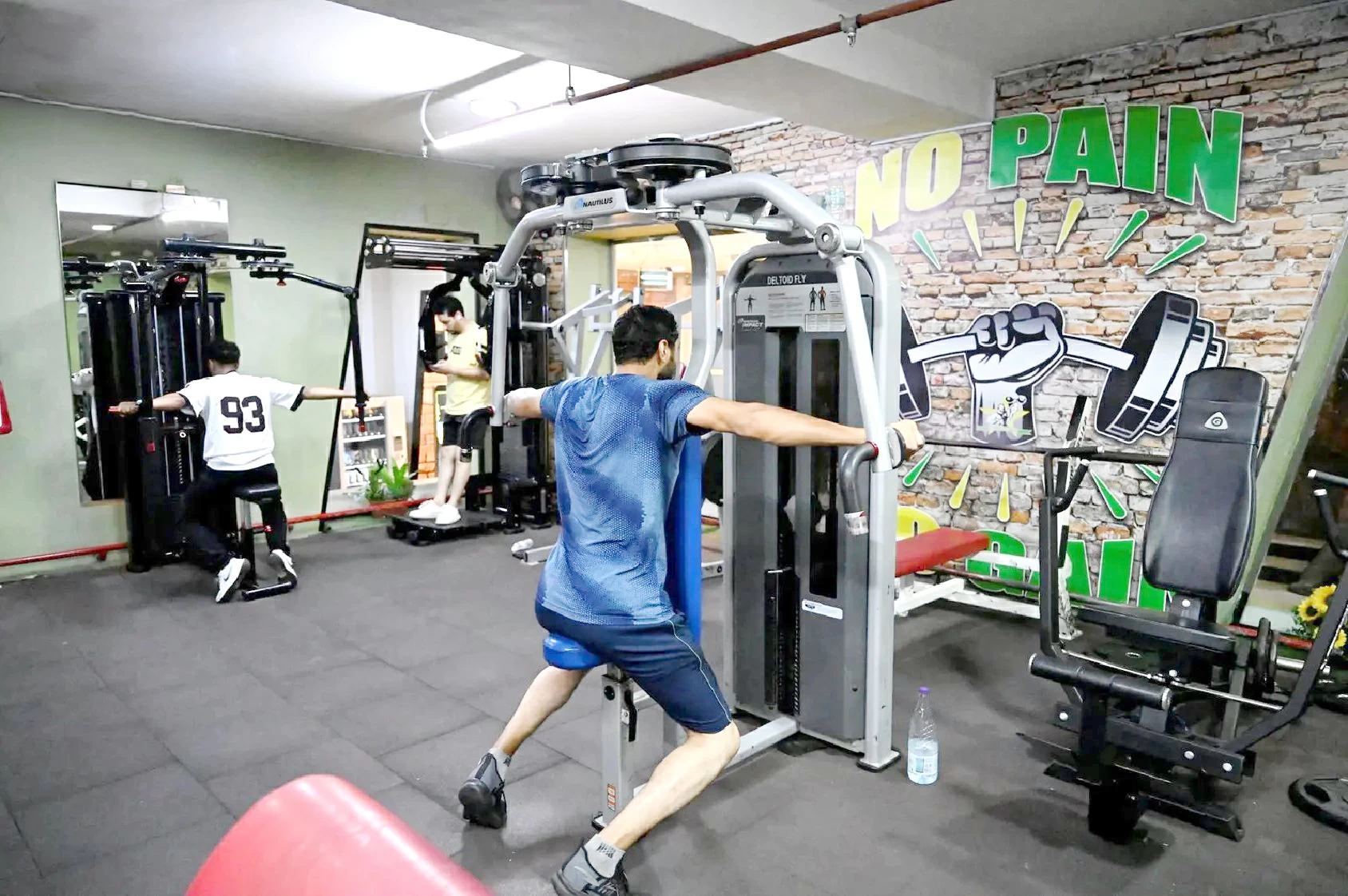
طرحت وزارة الرياضة مشروع لائحة جديدة لتنظيم عمل المراكز الرياضية، يتضمّن منع بيع أو ترويج المواد المنشطة المحظورة رياضياً أو السماح بتعاطيها وتداولها داخل أسوار المنشآت.
ويهدف المشروع إلى ضبط القطاع عبر تراخيص تشغيلية سنوية، وحماية حقوق المشتركين مالياً وصحياً، ومنع الممارسات العشوائية، وتجريم بيع المنشطات، مع فرض رقابة قانونية صارمة لضمان حماية فئتي الأحداث والأشخاص ذوي الإعاقة.
وأكد المشروع أن يلتزم المرخص له بممارسة نشاط المركز الرياضي الذي مُنح الترخيص على أساسه، ولا يغني الترخيص الصادر بموجب هذه اللائحة عن أي ترخيص أو موافقة تقتضيها الأنظمة الأخرى أو تستلزمها طبيعة النشاط أو الخدمة أو المنشأة، ولا يجوز التوسع إلى نشاط آخر أو رياضة أخرى أو فئة مستهدفة أخرى أو تعديل طبيعة النشاط على خلاف ما تقضي به شروط الترخيص إلا بعد موافقة الوزارة واستيفاء المتطلبات النظامية ذات الصلة.
وحمل المشروع جملة من التعليمات منها منع توظيف مدربين أو فنيين غير مرخصين، وحظر التوسع في ممارسة أنشطة رياضية غير مصرح بها إلا بعد استيفاء المتطلبات النظامية ونيل الموافقات.
وتقتصر مدة الترخيص على سنة واحدة ويُشترط لتجديدها تقديم طلب قبل انتهاء المدة بـ30 يوماً مع إرفاق سجل تجاري ساري المفعول يتضمن نشاط المراكز الرياضية، وتوفير وصف وافٍ لطبيعة الأنشطة والفئات المستهدفة.
فسخ العقد واسترداد الرسوم
منعت اللائحة التنازل عن الترخيص للغير أو استغلاله، ولا يتم إلا بعد الحصول على موافقة مسبقة ومكتوبة، وألزمت الوزارة كافة المراكز الرياضية بإبرام عقود اشتراك مكتوبة أو إلكترونية باللغة العربية، تتسم بالوضوح التام وتخلو من أي غش أو بيانات مضللة للمستفيد.
وكفلت التنظيمات الجديدة للمشترك حق فسخ العقد واسترداد رسوم الاشتراك عن المدة المتبقية في حال إخلال المركز بالتزاماته الجوهرية، أو عند إغلاق الفرع دون توفر إمكانية نقل المشترك لفرع بديل وفق العقد المبرم.
وشددت اللائحة على أحقية المستفيد في تعليق اشتراكه أو استرداد أمواله المتبقية إذا تعرّض لإصابة داخل المركز الرياضي تمنعه طبياً من ممارسة الرياضة، وذلك بموجب تقرير طبي معتمد.
وأكدت الوزارة على إدارات الأندية التفاعل مع شكاوى المستفيدين والتعامل معها خلال مدة زمنية قصوى لا تتجاوز 42 ساعة من وقت تلقي الشكوى، إلى جانب التزامها بتعويض المشتركين عن الأيام التي تكون فيها المنشأة مغلقة.
ترتيبات الدخول والخروج
وفقاً للائحة، يلتزم المرخص له بتنظيم الطاقة الاستيعابية والحركة والاستخدام داخل المنشأة الرياضية، وذلك من خلال الالتزام بما تحدده الوزارة بشأن الطاقة الاستيعابية لكل مساحة أو نشاط، وفقاً لطبيعة النشاط ومساحة المنشأة ومستوى المخاطر المرتبطة به. كما يقوم المرخص له بتنظيم تدفق المستخدمين داخل المنشأة من خلال ترتيبات واضحة للدخول والخروج والحركة الداخلية، بما يحد من الازدحام ويحقق السلامة، وتخصيص مناطق النشاط بحسب طبيعتها، والفصل بين مناطق الممارسة الحرة وأي مناطق مخصصة للتدريب أو للأنشطة المنظمة، متى اقتضت طبيعة النشاط ذلك.
التعامل مع الإصابات
نصت اللائحة التزام المراكز بتوفير كاميرات مراقبة تغطي كامل مساحاتها، وأوجبت على المنشآت تهيئة مرافقها ومواقفها الخاصة لتلائم الأشخاص ذوي الإعاقة، وتيسير عملية دخولهم وخروجهم بمرونة تامة واستقلالية.
ومنحت اللائحة مفتشي الوزارة صلاحيات تنفيذية واسعة تشمل الزيارات الميدانية المفاجئة، وفحص السجلات والبيانات، وضبط المخالفات. وأجازت التدابير الجديدة للوزارة اتخاذ قرارات حازمة تصل إلى إغلاق المركز الرياضي جزئياً أو كلياً بصفة مؤقتة في حالات الطوارئ والخطر المهدد لسلامة المستفيدين، مع إلزام المشغلين بتوفير خطط طوارئ وإسعافات أولية للتعامل الفوري مع الإصابات.
The Ministry of Sports has proposed a new regulation to organize the work of sports centers, which includes prohibiting the sale or promotion of banned performance-enhancing substances or allowing their use and circulation within the premises of the facilities.
The project aims to regulate the sector through annual operational licenses, protect the financial and health rights of participants, prevent random practices, and criminalize the sale of performance enhancers, while imposing strict legal oversight to ensure the protection of minors and persons with disabilities.
The project confirmed that the licensee must adhere to the activity of the sports center for which the license was granted, and the license issued under this regulation does not exempt from any other licenses or approvals required by other regulations or necessitated by the nature of the activity, service, or facility. It is not permissible to expand into another activity, sport, or target group, or to modify the nature of the activity contrary to the licensing conditions without the ministry’s approval and fulfilling the relevant regulatory requirements.
The project included a series of instructions, including prohibiting the employment of unlicensed trainers or technicians, and banning the expansion into unauthorized sports activities unless the regulatory requirements are met and approvals are obtained.
The duration of the license is limited to one year, and renewal is conditional upon submitting a request 30 days before the expiration date, along with a valid commercial registration that includes the activities of the sports centers, and providing a comprehensive description of the nature of the activities and target groups.
Contract Termination and Fee Refund
The regulation prohibits the transfer of the license to others or its exploitation, and it can only be done after obtaining prior written approval. The ministry requires all sports centers to conclude written or electronic subscription contracts in Arabic, which must be completely clear and free of any deception or misleading information for the beneficiary.
The new regulations guarantee the subscriber’s right to terminate the contract and recover the subscription fees for the remaining period in case the center breaches its essential obligations or if the branch closes without the possibility of transferring the subscriber to an alternative branch according to the concluded contract.
The regulation emphasized the beneficiary’s right to suspend their subscription or recover their remaining funds if they suffer an injury within the sports center that medically prevents them from exercising, based on an approved medical report.
The ministry stressed that club management should respond to beneficiaries’ complaints and address them within a maximum time frame of 42 hours from the time the complaint is received, in addition to its commitment to compensate subscribers for the days the facility is closed.
Entry and Exit Arrangements
According to the regulation, the licensee is obligated to organize the capacity, movement, and usage within the sports facility, in accordance with what the ministry specifies regarding the capacity for each space or activity, based on the nature of the activity, the area of the facility, and the level of associated risks. The licensee also organizes the flow of users within the facility through clear arrangements for entry and exit and internal movement, which limits congestion and ensures safety, and designates activity areas according to their nature, separating free practice areas from any areas designated for training or organized activities, whenever the nature of the activity requires it.
Dealing with Injuries
The regulation stipulated that centers must provide surveillance cameras covering all their areas, and required facilities to prepare their amenities and parking to accommodate persons with disabilities, facilitating their entry and exit with complete flexibility and independence.
The regulation granted ministry inspectors broad executive powers, including surprise field visits, examination of records and data, and monitoring violations. The new measures allowed the ministry to make decisive decisions, including temporarily closing the sports center partially or completely in emergency situations that threaten the safety of beneficiaries, while obligating operators to provide emergency plans and first aid to deal immediately with injuries.