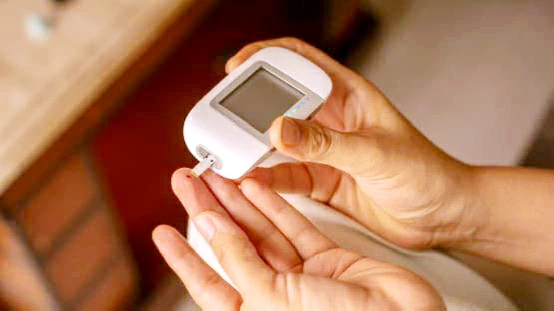
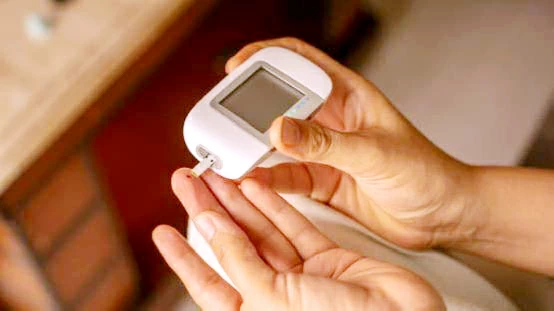
كشفت تقارير طبية حديثة، استناداً إلى مراجعات علمية دولية في مجال Diabetes، اعتماد تصنيف جديد يضيف نوعاً خامساً إلى الأنماط المعروفة، في خطوة تعكس تحولاً نوعياً في فهم هذا المرض المعقد عالمياً.
ويشير هذا التصنيف إلى أن السكري لم يعد يُختزل في النوعين التقليديين، بل أصبح يُنظر إليه كطيف مرضي متعدد، إذ يرتبط النوع الخامس بحالات سوء التغذية واضطرابات التمثيل الغذائي، ما يجعله مختلفاً في أسبابه وآلياته عن الأنواع الأخرى.
ويرى مختصون، أن هذا التحديث العلمي يفتح المجال أمام علاجات أكثر دقة، إذ إن التمييز بين الأنماط المختلفة يمكّن الأطباء من تصميم خطط علاجية مخصصة، بدل الاعتماد على نماذج عامة قد لا تناسب جميع المرضى.
كما يعزز هذا التطور أهمية الوقاية، خصوصاً في المناطق التي تعاني من تحديات غذائية، إذ يُتوقع أن يسهم التصنيف الجديد في تحسين برامج الصحة العامة والتشخيص المبكر.
ويؤكد الباحثون، أن هذا التحول يعيد تعريف السكري كمنظومة أمراض مترابطة، وليس حالة واحدة، وهو ما ينعكس مباشرة على مستقبل التشخيص والعلاج.
Recent medical reports, based on international scientific reviews in the field of Diabetes, have revealed a new classification that adds a fifth type to the known patterns, in a move that reflects a qualitative shift in the global understanding of this complex disease.
This classification indicates that diabetes is no longer limited to the two traditional types, but is now viewed as a multifaceted disease spectrum, with the fifth type associated with malnutrition and metabolic disorders, making it distinct in its causes and mechanisms from the other types.
Experts believe that this scientific update opens the door to more precise treatments, as distinguishing between the different patterns enables doctors to design tailored treatment plans, rather than relying on general models that may not suit all patients.
This development also reinforces the importance of prevention, especially in areas facing nutritional challenges, as the new classification is expected to contribute to improving public health programs and early diagnosis.
Researchers confirm that this shift redefines diabetes as a system of interconnected diseases, rather than a single condition, which directly impacts the future of diagnosis and treatment.