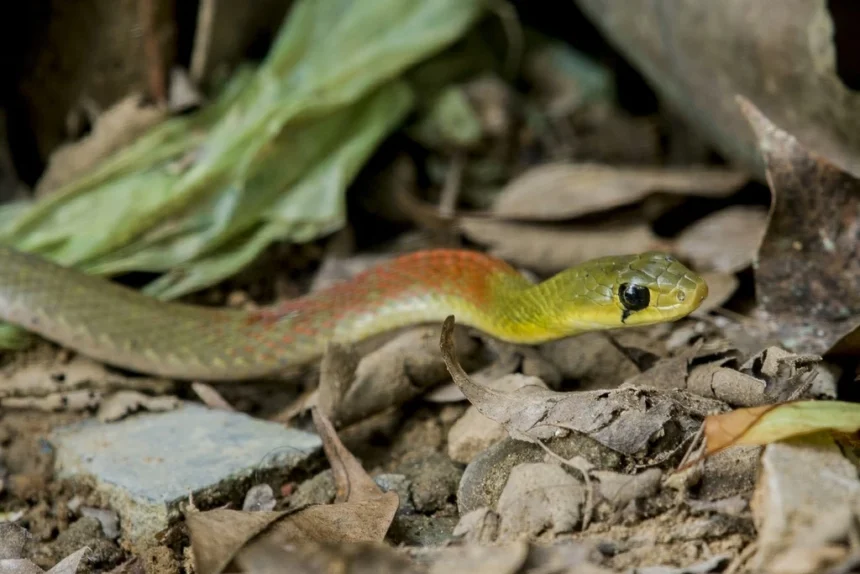
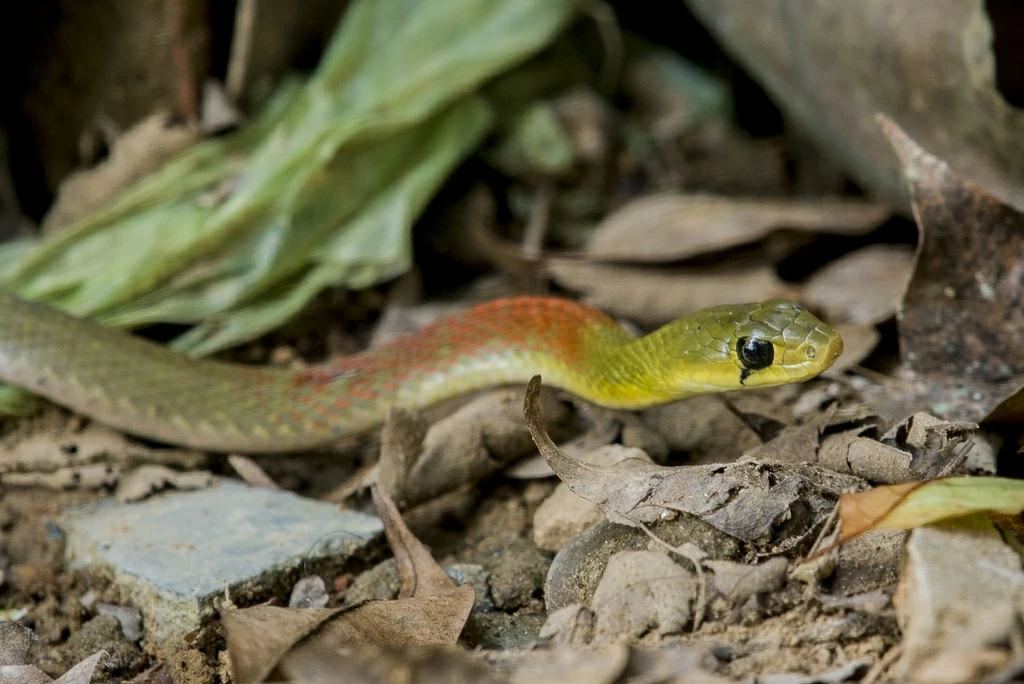
في عالم الطبيعة، لا تكون أساليب البقاء دائماً كما نتوقع. فبينما تعتمد معظم الكائنات السامة على إنتاج سمومها الخاصة، يكشف أحد أنواع الثعابين عن إستراتيجية مختلفة تماماً، تقوم على «استعارة» السم من فرائسه وإعادة توظيفه للدفاع عن نفسه! هذه الآلية غير المألوفة تضع هذا الكائن في فئة فريدة من حيث تكيفه مع بيئته وقدرته على تحويل الغذاء إلى وسيلة حماية متقدمة.
وتكشف دراسات حديثة عن سلوك دفاعي غير مألوف لدى نوع من الثعابين يُعرف باسم الكيلباك ذي الرقبة الحمراء (Rhabdophis subminiatus)، إذ لا يقوم بإنتاج السم بنفسه، بل يعتمد على «إعادة تدوير» السموم التي يحصل عليها من فرائسه لاستخدامها في الحماية من المفترسات.
وبحسب ما نشرته مجلة ساينتفيك أمريكان، يتغذى هذا الثعبان على ضفادع سامة تحتوي على مركبات تُعرف باسم «البوفادينوليدات». وبعد تناولها، تُمتص هذه المركبات عبر الجهاز الهضمي، ثم تُنقل إلى غدد متخصصة في منطقة الرقبة تُعرف بالغدد القفوية، حيث يتم تخزينها لاستخدامها لاحقاً عند الحاجة.
وتمنح هذه الآلية الثعبان ميزة تطورية، إذ تمكّنه من الاستفادة من سموم فرائسه دون الحاجة إلى إنتاجها ذاتياً، ما يقلل من استهلاك الطاقة ويعزز قدرته على البقاء. وعند الشعور بالتهديد، يرفع الثعبان رقبته ويكشف المنطقة التي تحتوي على الغدد السامة، في سلوك يُفسَّر كإشارة تحذير للمفترسات مثل النمس.
وتُظهر الملاحظات الميدانية أن سلوك هذا الثعبان الدفاعي يتأثر بنظامه الغذائي الأخير؛ إذ يميل إلى سلوك أكثر جرأة وعدوانية بعد تناول فريسة سامة، بينما يصبح أكثر حذراً وميلاً للهروب في حال عدم توفر السموم في جسمه.
وفي دراسة قادها عالم البيئة السلوكية تومونوري كوداما من جامعة ناغويا، خضع هذا السلوك للاختبار عبر محاكاة هجمات مفترسة وإزالة السموم من بعض الغدد. وأظهرت النتائج أن استجابة الثعابين لم تتغير بشكل ملحوظ، ما يشير إلى أن سلوكها لا يعتمد على قياس مباشر لمستويات السم.
وتقترح الدراسة أن هذا النوع قد يعتمد على “ذاكرة غذائية” حديثة لتحديد مستوى استجابته الدفاعية، بدلاً من آلية حسّية دقيقة لقياس السم، وهو ما يفتح آفاقاً جديدة لفهم إستراتيجيات البقاء لدى هذه الكائنات في الطبيعة.
In the natural world, survival strategies are not always as we expect. While most venomous creatures rely on producing their own toxins, one type of snake reveals a completely different strategy, based on “borrowing” venom from its prey and repurposing it for self-defense! This unusual mechanism places this organism in a unique category in terms of its adaptation to its environment and its ability to convert food into an advanced means of protection.
Recent studies reveal an unusual defensive behavior in a type of snake known as the red-necked keelback (Rhabdophis subminiatus), which does not produce venom itself but relies on “recycling” toxins obtained from its prey for protection against predators.
According to an article published in Scientific American, this snake feeds on toxic frogs that contain compounds known as “bufadienolides.” After consumption, these compounds are absorbed through the digestive system and then transported to specialized glands in the neck area known as nuchal glands, where they are stored for later use when needed.
This mechanism gives the snake an evolutionary advantage, allowing it to benefit from the toxins of its prey without the need to produce them itself, which reduces energy consumption and enhances its survival ability. When feeling threatened, the snake raises its neck and reveals the area containing the venomous glands, in a behavior interpreted as a warning signal to predators such as mongooses.
Field observations show that this snake’s defensive behavior is influenced by its recent diet; it tends to exhibit bolder and more aggressive behavior after consuming toxic prey, while becoming more cautious and inclined to flee when toxins are not present in its body.
In a study led by behavioral ecologist Tomonori Kodama from Nagoya University, this behavior was tested by simulating predatory attacks and removing toxins from some glands. The results showed that the snakes’ responses did not change significantly, indicating that their behavior does not rely on a direct measurement of toxin levels.
The study suggests that this species may rely on a recent “nutritional memory” to determine the level of its defensive response, rather than a precise sensory mechanism for measuring toxins, which opens new avenues for understanding the survival strategies of these organisms in nature.