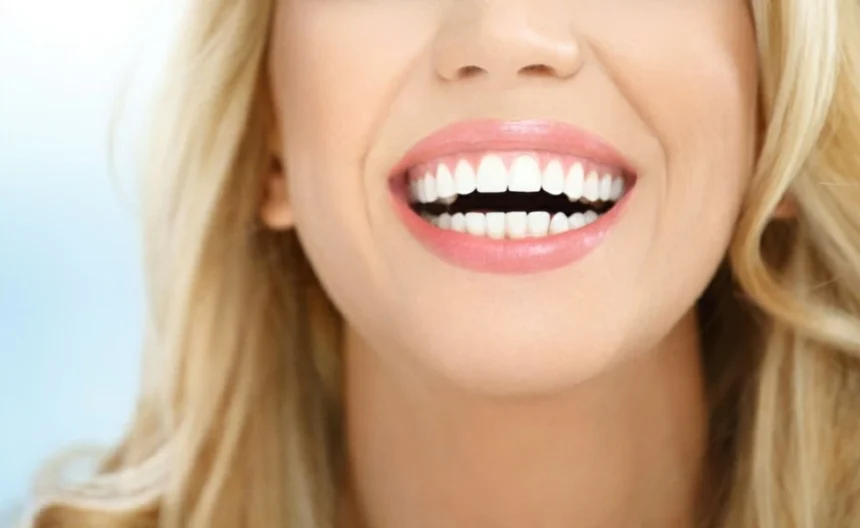
لا تحتاج الابتسامة دائماً إلى موقف سعيد أو خبر مفرح، إذ تشير دراسات حديثة إلى أن مجرد الابتسام قد ينعكس إيجاباً على الحالة المزاجية ويساعد الجسم على التعامل بصورة أفضل مع التوتر والضغوط اليومية.
وأوضحت نتائج بحثية أن تعبير الابتسامة يرتبط بتغيُّرات فسيولوجية داخل الجسم؛ تشمل التأثير في مستويات هرمون الكورتيزول المرتبط بالتوتر، إلى جانب تحفيز إفراز مواد كيميائية في الدماغ مرتبطة بالمشاعر الإيجابية، مثل الإندورفين والدوبامين والسيروتونين.
كما أظهرت الدراسات أن الأشخاص الذين يحافظون على الابتسام أثناء المواقف الضاغطة أو المهام المرهقة، يسجلون معدلات تعافٍ أفضل من آثار التوتر مقارنة بمن يتبنون تعبيرات محايدة، مع انخفاض ملحوظ في بعض الاستجابات الجسدية المرتبطة بالإجهاد.
ويرى متخصصون أن الابتسامة قد تعمل كإشارة متبادلة بين الوجه والدماغ، إذ لا تعكس المشاعر الإيجابية فحسب، بل قد تسهم أيضاً في تعزيزها وتحسين الإحساس العام بالراحة والهدوء.
وفي المقابل، يحذر الخبراء من تحويل الابتسامة إلى سلوك مفروض أو واجب اجتماعي، خاصة في بيئات العمل، مؤكدين أن آثارها الإيجابية تكون أكثر وضوحاً عندما تنبع بصورة طبيعية وعفوية لا نتيجة ضغوط أو تعليمات مباشرة.
كما لفتت الدراسات إلى أن دلالات الابتسامة تختلف من ثقافة إلى أخرى، إلا أن تأثيرها الإيجابي على الحالة النفسية والجسدية يظل واحداً من أكثر الجوانب التي تحظى باهتمام الباحثين في مجال الصحة والسلوك الإنساني.
A smile does not always require a happy situation or good news, as recent studies indicate that simply smiling can positively reflect on mood and help the body cope better with stress and daily pressures.
Research findings have shown that the expression of a smile is linked to physiological changes within the body; these include affecting cortisol levels associated with stress, as well as stimulating the release of chemicals in the brain related to positive feelings, such as endorphins, dopamine, and serotonin.
Studies have also shown that individuals who maintain a smile during stressful situations or exhausting tasks report better recovery rates from the effects of stress compared to those who adopt neutral expressions, with a noticeable decrease in some physical responses associated with stress.
Experts believe that a smile may act as a mutual signal between the face and the brain, as it not only reflects positive emotions but may also contribute to enhancing them and improving the overall sense of comfort and calmness.
Conversely, experts warn against turning a smile into an imposed behavior or social obligation, especially in work environments, emphasizing that its positive effects are more apparent when it arises naturally and spontaneously rather than as a result of pressure or direct instructions.
Studies have also pointed out that the connotations of a smile vary from culture to culture, yet its positive impact on psychological and physical well-being remains one of the most researched aspects in the field of health and human behavior.