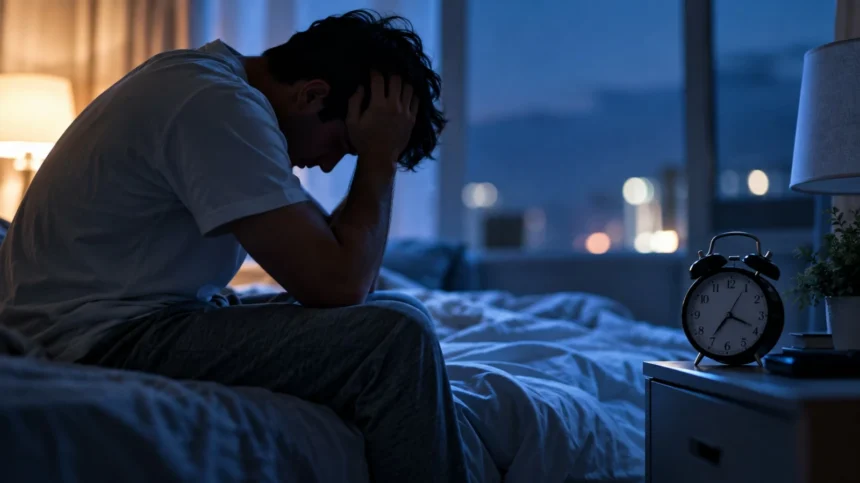
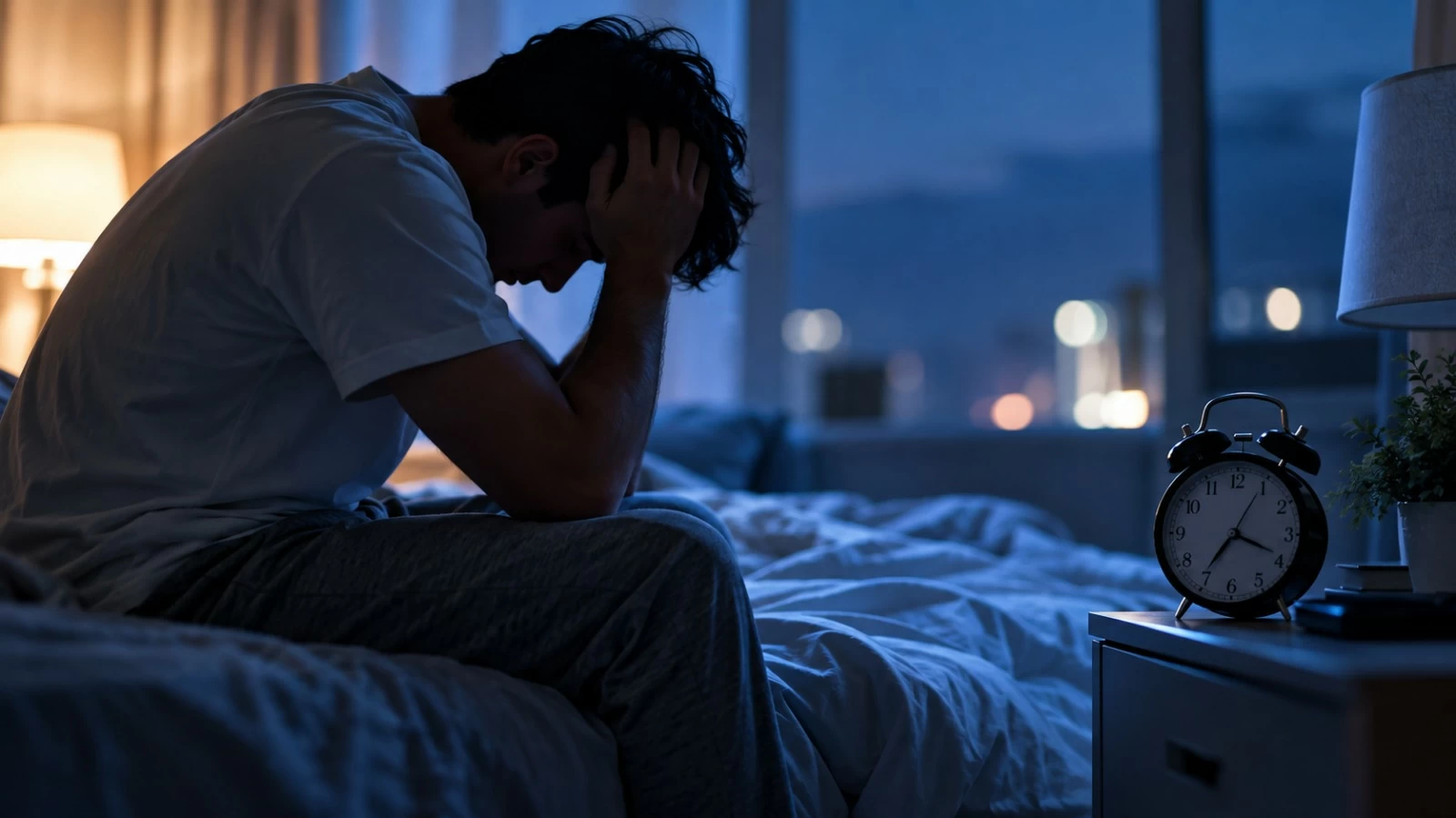
حدد باحثون أستراليون نمطًا مقترحًا من الاكتئاب يرتبط باضطراب الساعة البيولوجية للجسم، وقد يشمل نحو ربع الأشخاص الذين يعانون حالات شديدة أو متكررة أو مستمرة من المرض.
وأجرى باحثون من جامعة سيدني الدراسة باستخدام بيانات سريرية وجينية لأكثر من 10 آلاف شخص شاركوا في دراسة أسترالية واسعة حول الاكتئاب، ونشرت النتائج في المجلة البريطانية للطب النفسي.
اضطراب في النوم والتوقيت
ووجد الباحثون أن نحو 23% من المشاركين أظهروا مجموعة من السمات المرتبطة باضطراب الإيقاع اليومي، من بينها النوم لفترات أطول أثناء نوبات الاكتئاب، والاستيقاظ مع شعور شديد بالتعب، والميل إلى السهر، وتأخر مواعيد النوم، إضافة إلى اختلاف مواعيد النوم بين أيام العمل والعطلات.
ويرتبط الإيقاع اليومي بالساعة الداخلية للجسم التي تنظم دورة النوم والاستيقاظ وعددًا من الوظائف الأخرى، بينها المزاج والطاقة والتمثيل الغذائي.
أعراض أكثر شدة
وأظهرت النتائج أن الأشخاص الذين صنفهم الباحثون ضمن هذا النمط كانوا أكثر عرضة لبدء أعراض الاكتئاب في سن أصغر، كما سجلوا في المتوسط أعراضًا أكثر شدة وتعقيدًا مقارنة بغيرهم.
وكشفت التحليلات الجينية أيضًا عن اختلافات محتملة في عوامل الخطر المرتبطة ببعض الاضطرابات النفسية والعصبية والالتهابية.
استجابة مختلفة للعلاج
وأفاد المشاركون المصنفون ضمن هذا النمط باستجابة أقل لبعض مضادات الاكتئاب الشائعة، إلى جانب آثار جانبية أكثر، مقارنة بالمصابين الذين لم تظهر لديهم سمات اضطراب الساعة البيولوجية.
ويرى الباحثون أن العلاجات التي تستهدف تنظيم الإيقاع اليومي، مثل العلاج بالضوء وبعض العلاجات المرتبطة بالميلاتونين وتنظيم مواعيد النوم، قد تكون أكثر ملاءمة لبعض هؤلاء المرضى، مع التأكيد على ضرورة استشارة الطبيب وعدم تغيير العلاج من دون إشراف طبي.
الحاجة إلى مزيد من الأبحاث
ورغم النتائج، أكد خبراء لم يشاركوا في الدراسة أن تصنيف «الاكتئاب المرتبط بالإيقاع اليومي» كنمط مستقل لا يزال بحاجة إلى دراسات إضافية وعلى مجموعات سكانية أكثر تنوعًا.
وأشاروا إلى وجود تداخل بين بعض خصائصه وأنماط اكتئاب معروفة سابقًا، ما يجعل الحاجة قائمة إلى مزيد من الأدلة قبل اعتماده بصورة مستقلة في الممارسة الطبية.
Australian researchers have identified a proposed pattern of depression associated with the body’s biological clock, which may affect about a quarter of individuals experiencing severe, recurrent, or persistent cases of the illness.
Researchers from the University of Sydney conducted the study using clinical and genetic data from more than 10,000 individuals who participated in a large Australian study on depression, with the results published in the British Journal of Psychiatry.
Disruption in sleep and timing
The researchers found that about 23% of participants exhibited a range of traits associated with circadian rhythm disorder, including sleeping longer during depressive episodes, waking up feeling extremely tired, a tendency to stay up late, delayed sleep times, and differences in sleep schedules between workdays and weekends.
Circadian rhythm is linked to the body’s internal clock that regulates the sleep-wake cycle and several other functions, including mood, energy, and metabolism.
More severe symptoms
The results showed that individuals classified by the researchers within this pattern were more likely to develop symptoms of depression at a younger age, and they reported, on average, more severe and complex symptoms compared to others.
Genetic analyses also revealed potential differences in risk factors associated with certain psychological, neurological, and inflammatory disorders.
Different response to treatment
Participants classified within this pattern reported a lower response to some common antidepressants, along with more side effects, compared to those who did not exhibit traits of circadian rhythm disorder.
The researchers believe that treatments targeting the regulation of circadian rhythms, such as light therapy and some melatonin-related treatments and sleep schedule management, may be more suitable for some of these patients, emphasizing the need for medical consultation and not changing treatment without medical supervision.
The need for further research
Despite the findings, experts not involved in the study emphasized that classifying “circadian rhythm-related depression” as an independent pattern still requires additional studies on more diverse populations.
They pointed out the overlap between some of its characteristics and previously known patterns of depression, highlighting the need for more evidence before it can be independently adopted in medical practice.