

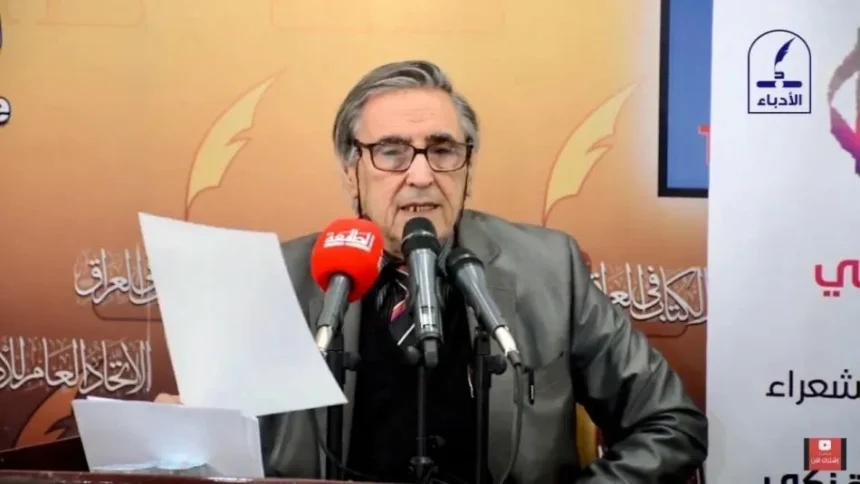
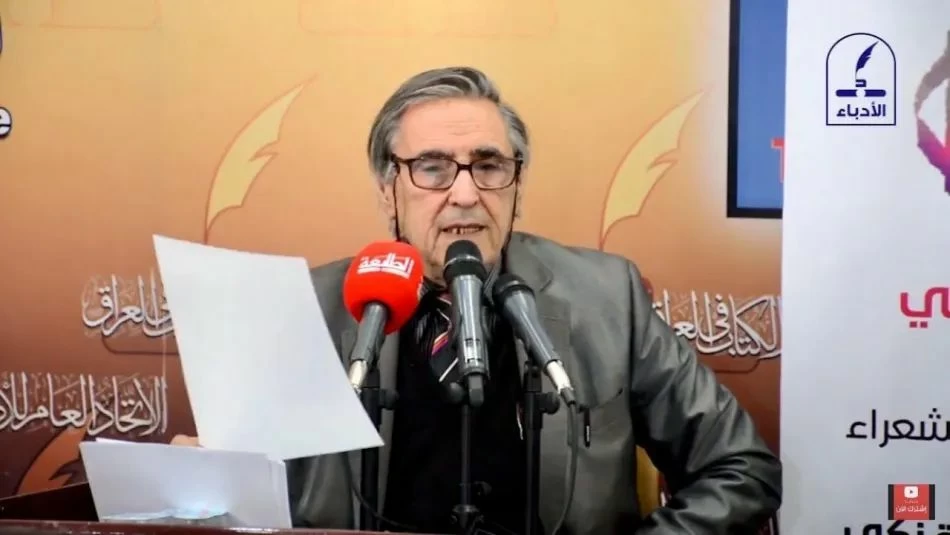
ودّعت القصيدة السريالية، أمس، رائدها الشاعر العراقي صادق الصائغ، الذي وافته المنيّة في لندن، إثر معاناة مع المرض. ونعاه الاتحاد العام للأدباء والكتاب والوسط الثقافي العراقي عبر وسائل الإعلام ووسائط التواصل الاجتماعي.
ولد الصائغ عام1947، ودرس الفقه والتاريخ والأدب العربي، ورسم لنفسه مساراً عنوانه التداخل والتجريب، ورفض الانتماء لتيارٍ بعينه، بل يسير بمحاذاة النهر، ويتفاداه حين يحاول الطغيان عليه.
ويعد أحد أبرز شعراء الحداثة في العراق، وعُرفَ في الأوساط الثقافية، فناناً متعدد المواهب: شاعراً ورسّاماً وخطّاطاً وكاتباً مسرحيّاً، وأسهم بصورة لافتة في إثراء المشهد الثقافي العربي من خلال مجموعاته الشعرية، فضلاً عن حضوره في مجالي الصحافة والتلفزيون، وتم اختياره عام 2003 مستشاراً لوزارة الثقافة. قال عنه الناقد يأس البياتي: «الشعر عند صادق الصانع علاقة أخلاقية قبل أن يكون إنجازاً فنّياً». ورثاه صديقه رواء الجصاني: «هو الخارج عن حاجات التعريف التقليدي، عقب ذيوع صيته عراقياً وعربياً منذ أكثر من ستين عاما، وما برح».
عرف الصائغ بأسلوبه السريالي المبتكر، وجرأته في كسر القوالب التقليدية للشعر العربي، ما جعله من أبرز شعراء المدن في التجربة الشعرية الحديثة.
ومن نصوصه الأكثر حضوراً «هنا بغداد»، ومنه: «هذه المدينة عجيبة، ضُربتْ بالقنابل، سُحقتْ تحت الأقدام، كما تُسحقُ ساعة معطلّة، لكنها كما لو وُلدتْ للتو: سُمعتْ، تحت الأنقاض، تتكُ متحسسة قلبها، وأوصالها المفقودة.. مَديْنَةٌ عَجيْبَة تقَع في الجَانب المُشْرقِ من الشَمس جسْمُهَا مُلتَهب وَحَرَارتُهَا عَاليَة مُصَابَةٌ بأحلامِ الزمن القَادم في أعْماقِهَا غَضَب وَجُوع وَبكاءٌ وَصَريْرٌ أسْنان يبحث عنها التاريخ، ويَؤمُهَا الأنْبيَاءُ والشُعَرَاءُ وَالعُشَّاق واللصُوصُ البَرَابرَة وَالغُزَاة وَتُجّارُ الحُرُوب في كُلَّ مَرَّةٍ يُظَنُّ أنَّهَا انتَهَت تُطْلقُ من أعْمَاقهَا صَرْخَةً طَويْلَة تَسْري في الأثير مثل مَوْجٍ مًتَكَسِّر أكون أو لا أكون، أموتُ أو لا أموت، تلْك هي المَسْألَة. مَديَنَةٌ عجيبة يَبْحَثُ عَنْها القَنّاصُون والعشّاق والقَتَلَة الغَربُ وَالشَرْق الشَمَالُ والجَنوب تَتَعَرَّضُ يَوميَّاً للقَصْف دونَ أن تَفْقدَ التَوازُن، وكَما لَو لتَّوهَا وُلِدَتْ سُمِعَتْ تَتَحَرَّك تَحتَ الأنْقاض وَسُمِعَ صَوت بُلْبُل الاذاعة بِكلِّ ما تَبَقّى لَهَ من قُوَّة بِكُلِّ مَا تَبَقّى من أنْفَاسْ من تَحتَ الأنْقاض يتِكُّ مُرْسلاً للعَالَم وللأجْيْال القادمَة شَفْرَاتٍ وَإشَارَات وَرُموزاً وَعَلى أجْنِحَةِ ضَوءٍ مُتَكَسّرٍ.. هُنا بَغداد.. هُنا بَغداد.. هُنا بَغداد».
The surrealist poem bid farewell yesterday to its pioneer, the Iraqi poet Sadiq Al-Saigh, who passed away in London after suffering from illness. The General Union of Writers and Authors and the Iraqi cultural community mourned him through media and social media platforms.
Al-Saigh was born in 1947 and studied jurisprudence, history, and Arabic literature. He charted a path for himself titled intermingling and experimentation, refusing to belong to any particular current, instead walking alongside the river and avoiding it when it tries to dominate him.
He is considered one of the most prominent modernist poets in Iraq and was known in cultural circles as a multi-talented artist: a poet, painter, calligrapher, and playwright. He significantly contributed to enriching the Arab cultural scene through his poetry collections, in addition to his presence in journalism and television. In 2003, he was appointed as an advisor to the Ministry of Culture. Critic Yass Al-Bayati said about him: “Poetry for Sadiq Al-Saigh is a moral relationship before it is an artistic achievement.” His friend Rawa Al-Jasani lamented: “He is beyond the needs of traditional definition, after his fame spread in Iraq and the Arab world for over sixty years, and it has not ceased.”
Al-Saigh was known for his innovative surrealist style and his boldness in breaking traditional molds of Arabic poetry, making him one of the most prominent urban poets in the modern poetic experience.
Among his most notable texts is “Here Baghdad,” which includes: “This city is amazing, it was struck by bombs, it was crushed underfoot, like a broken clock, but it is as if it was just born: it was heard, under the rubble, feeling its heart, and its lost limbs… An amazing city located in the eastern side of the sun, its body is burning and its heat is high, afflicted with the dreams of the coming time, in its depths, there is anger and hunger and crying and the grinding of teeth that history seeks, and it is visited by prophets, poets, lovers, and barbaric thieves and invaders, and war merchants. Every time it is thought to have ended, it releases from its depths a long scream that travels through the ether like a crashing wave. To be or not to be, to die or not to die, that is the question. An amazing city sought after by hunters, lovers, and killers from the West and the East, the North and the South, subjected daily to bombardment without losing balance, and as if it had just been born, it was heard moving under the rubble, and the voice of the radio nightingale was heard with all that remains of its strength, with all that remains of breaths from beneath the rubble, sending messages to the world and to future generations, signals and symbols, and on the wings of shattered light… Here Baghdad… Here Baghdad… Here Baghdad.”