

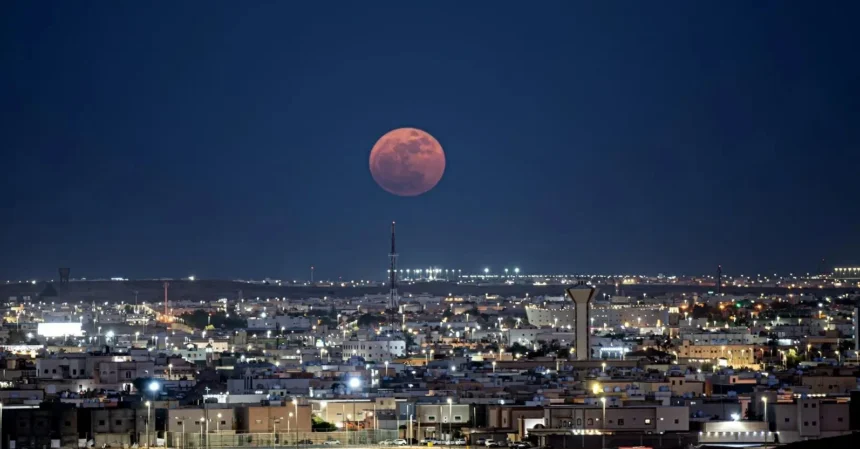
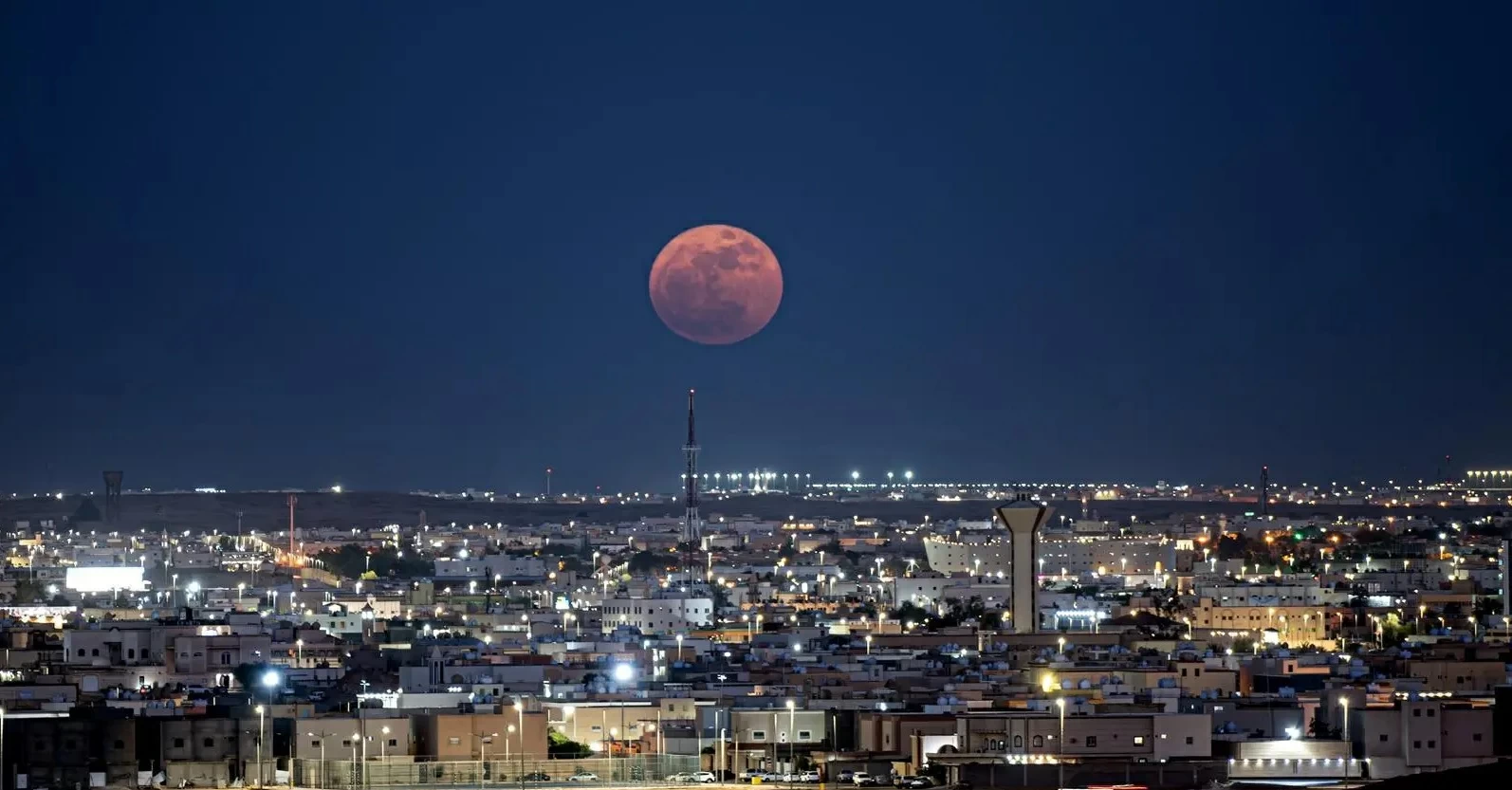
رُصد في سماء منطقة الحدود الشمالية، اليوم، اكتمال بدر شهر ذي الحجة، الذي يُعدّ البدر الأخير في العام الهجري 1447، إذ اكتمل قرص القمر بدراً عند الساعة 11:45 صباحاً بتوقيت المملكة.
ويُعدّ طور البدر من أبرز المراحل الرئيسة في دورة القمر الشهرية، إذ يكون القمر في الجهة المقابلة للشمس بالنسبة إلى الأرض، فتنعكس أشعة الشمس على كامل وجهه المواجه للأرض، ليظهر قرصه مضاءً بالكامل بنسبة تقارب 100%، ويبدو أكثر سطوعاً وإشراقاً في السماء.
وشهد البدر ظهوره في سماء المنطقة وسط أجواء مناسبة للرصد، مما أتاح للمهتمين بعلم الفلك وهواة التصوير الفلكي متابعة هذه الظاهرة وتوثيقها، لما تتميز به من جمال بصري وتفاصيل واضحة لسطح القمر، خصوصاً الفوّهات والمرتفعات والسلاسل الجبلية التي تبرز من خلال المناظير والتلسكوبات.
ويحمل بدر ذي الحجة أهمية خاصة لدى المهتمين بالظواهر الفلكية؛ كونه يمثّل آخر بدر يُرصد في العام الهجري 1447هـ، قبل دخول شهر المحرم وبداية عام هجري جديد، ليختتم بذلك دورةً كاملة من الأهلة والبدور التي شهدتها السماء على مدار العام.
ويؤكد المختصون أن متابعة أطوار القمر ورصدها تُسهم في تعزيز الوعي الفلكي ونشر الثقافة العلمية بين أفراد المجتمع، إضافة إلى ما توفره من فرص تعليمية وتوعوية لهواة الفلك والمهتمين بالعلوم الكونية.
ويأتي هذا المشهد ضمن سلسلة الظواهر الفلكية التي تزيّن سماء المملكة على مدار العام، وتحظى بمتابعة متزايدة من هواة الرصد والتصوير الفلكي، في ظل ما تتمتع به العديد من مناطق المملكة من أجواء مناسبة وصفاء في السماء يساعدان على متابعة الأجرام السماوية ورصدها.
Today, the full moon of the month of Dhul-Hijjah was observed in the sky of the Northern Borders region, marking the last full moon of the Hijri year 1447, as the moon’s disc reached fullness at 11:45 AM Saudi time.
The full moon phase is one of the most prominent stages in the lunar monthly cycle, as the moon is positioned opposite the sun in relation to the Earth, allowing sunlight to reflect off its entire face facing the Earth, making its disc appear fully illuminated at nearly 100%, and it looks brighter and more radiant in the sky.
The full moon was witnessed in the sky of the region amidst suitable conditions for observation, enabling astronomy enthusiasts and astrophotography hobbyists to follow and document this phenomenon, known for its visual beauty and clear details of the moon’s surface, especially the craters, highlands, and mountain ranges that stand out through binoculars and telescopes.
The full moon of Dhul-Hijjah holds special significance for those interested in astronomical phenomena, as it represents the last full moon observed in the Hijri year 1447 AH, before the arrival of the month of Muharram and the beginning of a new Hijri year, thus concluding a complete cycle of crescents and full moons witnessed in the sky throughout the year.
Experts confirm that tracking and observing the phases of the moon contributes to enhancing astronomical awareness and spreading scientific culture among community members, in addition to providing educational and awareness opportunities for astronomy enthusiasts and those interested in cosmic sciences.
This scene is part of a series of astronomical phenomena that adorn the sky of the Kingdom throughout the year, attracting increasing attention from observation and astrophotography enthusiasts, given that many regions of the Kingdom enjoy suitable weather and clear skies that facilitate the observation and tracking of celestial bodies.