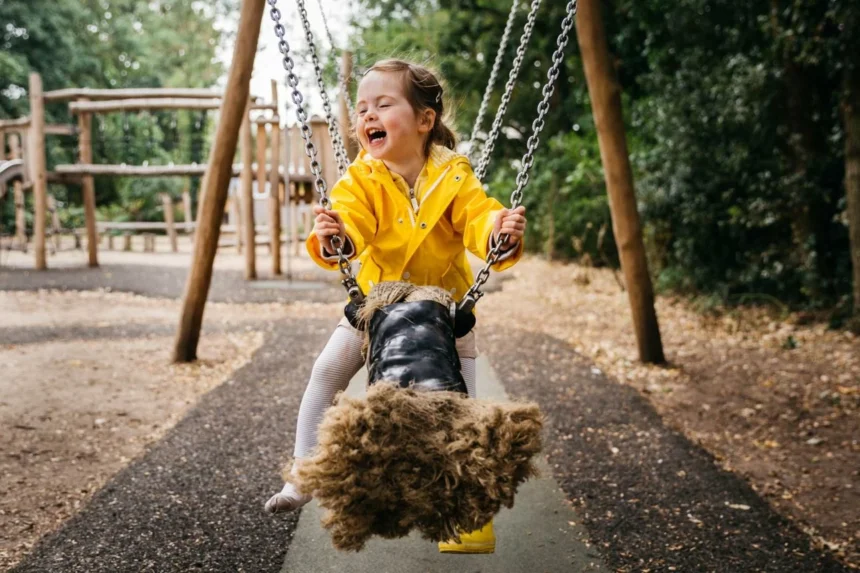
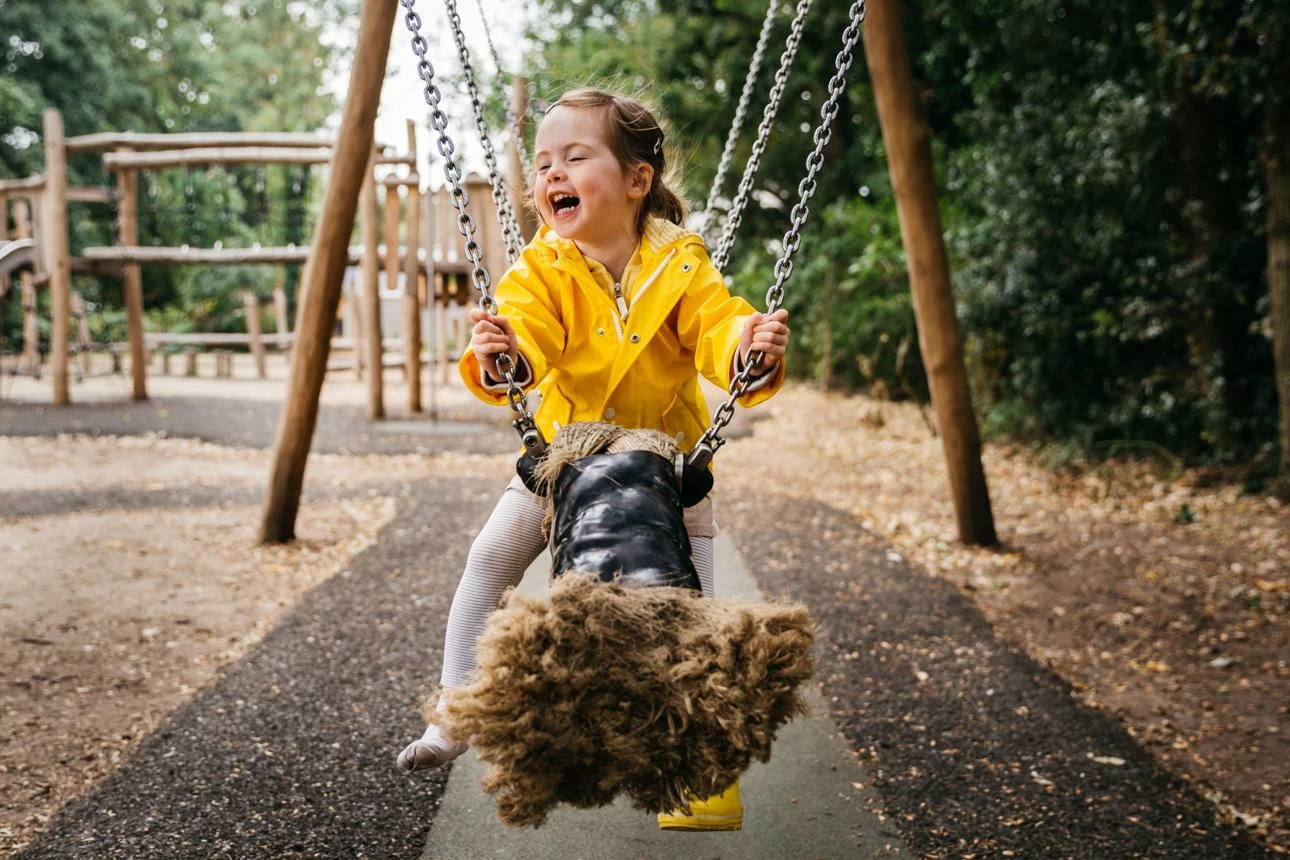
كشفت دراسة بريطانية حديثة أن اصطحاب الأطفال إلى الحدائق العامة ومناطق اللعب مرة واحدة أسبوعياً على الأقل يرتبط بتحسن صحتهم النفسية وتطور مهاراتهم الاجتماعية والعاطفية، في نتائج تسلط الضوء على أهمية المساحات الخضراء في دعم نمو الأطفال.
ووفقاً لدراسة أجراها باحثون من جامعتي إكستر وبريستول، وشملت 4219 مشاركاً، سجل الأطفال الذين اعتادوا زيارة الحدائق أسبوعياً درجات أفضل بنسبة 16.5% في تقييمات الصحة النفسية، مقارنة بمن كانت زياراتهم أقل من مرة أسبوعياً.
متابعة الأطفال حتى سن 11 عاماً
واعتمد الباحثون على بيانات مشروع بريطاني طويل الأمد يتابع الأطفال وأسرهم منذ تسعينات القرن الماضي، لدراسة العلاقة بين تكرار زيارة الحدائق وتطور المهارات الاجتماعية والعاطفية خلال سنوات الطفولة.
وأظهرت النتائج أن الأطفال الذين زاروا الحدائق بانتظام سجلوا مؤشرات أفضل في التعامل مع المشاعر وبناء العلاقات مع الآخرين، إلى جانب تحسن بعض الجوانب السلوكية.
ولاحظ الباحثون أن الأطفال أنفسهم أظهروا تطوراً اجتماعياً وعاطفياً أفضل خلال الفترات التي زادت فيها زياراتهم للحدائق، مقارنة بالفترات التي قلت فيها هذه الزيارات.
اللعب يعزز الثقة والاستقلالية
وأوضح الباحث الرئيسي مارك فيرغوسون، من جامعة إكستر، أن الحدائق تتيح للأطفال ممارسة النشاط البدني واللعب التخيلي والمغامرات البسيطة، وهي أنشطة قد تساعد على بناء الثقة بالنفس والاستقلالية وتطوير مهارات التواصل.
وأشار إلى أن الحدائق العامة يمكن أن تؤدي دوراً مهماً في دعم الصحة النفسية للأطفال، خصوصاً عندما تكون آمنة ومجهزة وسهلة الوصول للأسر من مختلف الفئات الاجتماعية.
ارتباط لا يثبت السببية
وراعى الباحثون في تحليل النتائج عوامل مثل الظروف الاقتصادية والاجتماعية والمشكلات الأسرية، إلا أنهم أكدوا الحاجة إلى دراسات إضافية لمعرفة مدى انطباق النتائج على مجتمعات أخرى.
ولا تثبت الدراسة أن زيارة الحدائق وحدها تؤدي مباشرة إلى تحسن الصحة النفسية، لكنها تشير إلى ارتباط إيجابي بين الانتظام في زيارتها والنمو الاجتماعي والعاطفي للأطفال.
A recent British study revealed that taking children to public parks and play areas at least once a week is associated with improved mental health and the development of their social and emotional skills, highlighting the importance of green spaces in supporting children’s growth.
According to a study conducted by researchers from the Universities of Exeter and Bristol, which included 4,219 participants, children who regularly visited parks weekly scored 16.5% better in mental health assessments compared to those whose visits were less than once a week.
Following children until the age of 11
The researchers relied on data from a long-term British project that has been tracking children and their families since the 1990s to study the relationship between the frequency of park visits and the development of social and emotional skills during childhood.
The results showed that children who visited parks regularly exhibited better indicators in managing emotions and building relationships with others, along with improvements in certain behavioral aspects.
The researchers noted that the children themselves showed better social and emotional development during periods when their visits to parks increased, compared to periods when these visits decreased.
Play enhances confidence and independence
Lead researcher Mark Ferguson from the University of Exeter explained that parks allow children to engage in physical activity, imaginative play, and simple adventures, which may help build self-confidence, independence, and communication skills.
He pointed out that public parks can play an important role in supporting children’s mental health, especially when they are safe, well-equipped, and easily accessible to families from various social backgrounds.
Correlation does not prove causation
The researchers took into account factors such as economic and social conditions and family issues in their analysis of the results, but they emphasized the need for further studies to determine the applicability of the findings to other communities.
The study does not prove that visiting parks alone directly leads to improved mental health, but it indicates a positive correlation between regular visits and the social and emotional growth of children.