


لا يُنظر إلى جبل قاسيون في دمشق باعتباره مجرد مرتفع جغرافي يطل على العاصمة، بل بوصفه مساحة تختزن طبقات من التاريخ والذاكرة، وتجذب السوريين للبحث عن ماضٍ وسط التحولات المتسارعة.
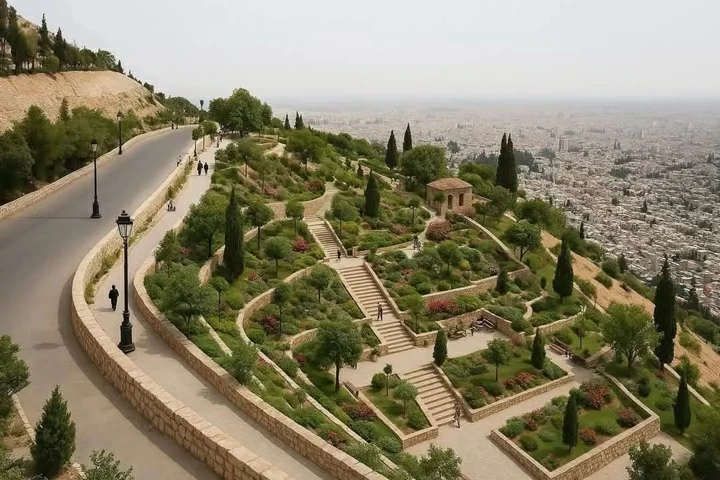
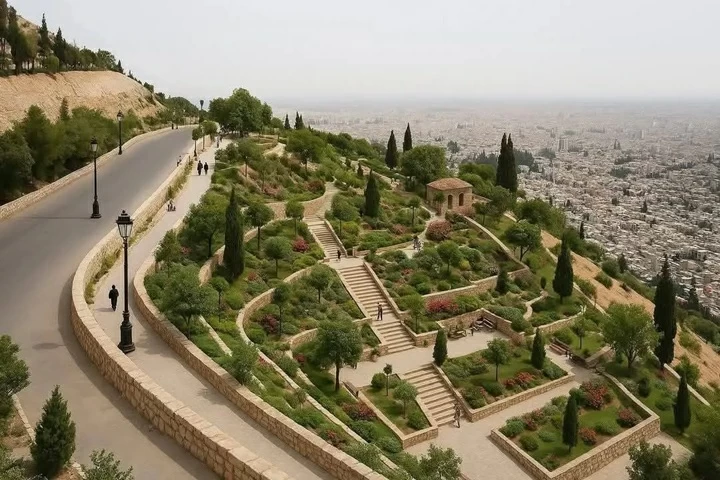
يقع الجبل شمال المدينة، ويمنح من قمته مشهداً بانورامياً يكشف دمشق بكل تفاصيلها؛ من أحيائها القديمة وأسواقها التاريخية، إلى الامتدادات العمرانية الحديثة التي غيّرت ملامحها خلال العقود الأخيرة. لكن أهمية قاسيون لا تتوقف عند هذه الإطلالة، بل تمتد إلى ما يرتبط به من روايات وتصورات راسخة في الوجدان الشعبي.
في سفوحه تنتشر مغارات ارتبطت عبر الزمن بقصص دينية وتاريخية، من أبرزها ما يُعرف بـ«مغارة الدم»، التي تشير روايات تراثية إلى أنها المكان الذي شهد مقتل هابيل على يد قابيل. ورغم اختلاف الباحثين حول دقة هذه الروايات، فإنها بقيت حاضرة في الذاكرة الجمعية، وأسهمت في منح الجبل بعداً يتجاوز الجغرافيا.
هذا الارتباط بين المكان والرواية جعل من قاسيون نقطة يلتقي عندها التاريخ بالتصور الشعبي، إذ لا يبحث الزائر فقط عن موقع أثري، بل عن معنى أوسع يرتبط بالهوية والذاكرة. فبالنسبة لكثير من السوريين، تمثل هذه المغارات امتداداً لزمن بعيد، ومحاولة لفهم جذور الحكايات التي شكّلت جزءاً من وعيهم الثقافي.
وقد أشار مؤرخون، من بينهم ابن عساكر، إلى الجبل بوصفه جزءاً من المشهد التاريخي لدمشق، فيما ظل حضوره مستمراً في الكتابات الجغرافية والأدبية، إذ ارتبط اسمه بصورة المدينة نفسها.
ومع التوسع العمراني الذي شهدته دمشق، أصبحت سفوح قاسيون جزءاً من النسيج الحضري، بعد أن كانت مناطق طبيعية شبه معزولة. ورغم هذا التغير، لا يزال الجبل يحتفظ بدوره كمساحة مفتوحة للتأمل، ومكان يلجأ إليه الناس لمشاهدة المدينة من زاوية مختلفة.
من قمته، يمكن قراءة تحولات دمشق بوضوح؛ فالفوارق بين الأحياء القديمة والمناطق الحديثة تبدو جلية، كما يظهر التراجع الذي طال المساحات الخضراء المحيطة بالمدينة، وعلى رأسها الغوطة. هذا المشهد يمنح الجبل قيمة إضافية، كونه نقطة تكشف التغيرات التي مرت بها العاصمة عبر الزمن.
في النهاية، لا تكمن أهمية قاسيون في موقعه أو ارتفاعه فقط، بل في كونه مساحة تختصر علاقة الإنسان بالمكان. فالمغارات التي يحتضنها، والروايات المرتبطة بها، والإطلالة التي يوفرها، كلها عناصر تجعل منه نقطة يعود إليها السوريون، ليس فقط لرؤية دمشق، بل لمحاولة فهم تاريخها، واستعادة ما بقي منه في الذاكرة.
Mount Qasioun in Damascus is not seen merely as a geographical elevation overlooking the capital, but as a space that holds layers of history and memory, attracting Syrians to search for a past amidst rapid transformations.
The mountain is located to the north of the city and offers a panoramic view from its summit that reveals Damascus in all its details; from its ancient neighborhoods and historical markets to the modern urban expansions that have changed its features over recent decades. However, the significance of Qasioun does not stop at this view, but extends to the stories and perceptions deeply rooted in the popular consciousness.
On its slopes, there are caves that have been associated over time with religious and historical tales, the most notable of which is what is known as the “Cave of Blood,” which heritage narratives suggest is the place where Abel was killed by Cain. Despite the differing opinions among researchers regarding the accuracy of these narratives, they have remained present in collective memory and contributed to giving the mountain a dimension that transcends geography.
This connection between place and narrative has made Qasioun a point where history meets popular perception, as visitors do not only seek an archaeological site but a broader meaning related to identity and memory. For many Syrians, these caves represent an extension of a distant time and an attempt to understand the roots of the stories that have formed part of their cultural awareness.
Historians, including Ibn Asakir, have referred to the mountain as part of the historical landscape of Damascus, while its presence has continued in geographical and literary writings, as its name has become associated with the city itself.
With the urban expansion that Damascus has witnessed, the slopes of Qasioun have become part of the urban fabric, after having been semi-isolated natural areas. Despite this change, the mountain still retains its role as an open space for contemplation, and a place where people go to view the city from a different angle.
From its summit, the transformations of Damascus can be clearly read; the differences between the old neighborhoods and modern areas are evident, as is the decline that has affected the green spaces surrounding the city, most notably Ghouta. This scene gives the mountain added value, as it serves as a point that reveals the changes the capital has undergone over time.
In the end, the importance of Qasioun lies not only in its location or height but in being a space that encapsulates the relationship between humans and place. The caves it hosts, the stories associated with them, and the view it provides are all elements that make it a point to which Syrians return, not only to see Damascus but to attempt to understand its history and to reclaim what remains of it in memory.