


في تطور قضائي قد يلقي بظلاله على انتخابات التجديد النصفي الأمريكية المقررة في نوفمبر المقبل، سمحت محكمة اتحادية في مدينة بوسطن للولايات الديموقراطية ومنظمات حقوق التصويت بمواصلة الطعون القانونية ضد الأمر التنفيذي الذي أصدره الرئيس دونالد ترمب بشأن التصويت عبر البريد.
وأصدرت القاضية الفيدرالية إنديرا تالواني حكماً يقضي باستمرار نظر الدعوى، معتبرة أن التداعيات المحتملة للقرار الرئاسي على الانتخابات المقبلة تجعل من الضروري البت في القضية خلال المرحلة الحالية، وعدم تأجيلها إلى حين صدور اللوائح التنفيذية النهائية.
أهمية التوقيت
أكدت المحكمة أن الأمر التنفيذي يتضمن توجيهات مباشرة لوكالات فيدرالية لتنفيذ إجراءات محددة ضمن جداول زمنية واضحة، ما قد ينعكس على آليات التصويت وإدارة الانتخابات خلال الأشهر المقبلة.
ورأت القاضية أن تأخير المراجعة القضائية قد يتسبب في أضرار محتملة للجهات الطاعنة، خصوصاً مع اقتراب الاستحقاقات الانتخابية والانتخابات التمهيدية المرتبطة بها.
في المقابل، أشارت المحكمة إلى أن بعض الجوانب التنفيذية للقرار ما زالت غير محسومة، في ظل عدم اعتماد اللوائح النهائية من الجهات المختصة، بما في ذلك وزارة الأمن الداخلي وهيئة البريد الأمريكية، ما دفعها إلى استبعاد بعض الطعون المرتبطة بالانتخابات اللاحقة مع الإبقاء على إمكانية إعادة طرحها مستقبلاً.
ترحيب واعتراض
ورحبت الجهات المدعية بالحكم، ومن بينها رابطة الناخبات الأمريكيات ومنظمات مدعومة من الاتحاد الأمريكي للحريات المدنية، معتبرة أن المحكمة أدركت حساسية القضية وأهمية حسمها قبل الانتخابات المرتقبة.
في المقابل، أكدت المتحدثة باسم البيت الأبيض أبيجيل جاكسون أن الإدارة ستواصل الدفاع عن قرار الرئيس، مشددة على أن ضمان نزاهة الانتخابات وأمنها يمثل أحد المحاور الرئيسية في أجندة ترمب.
تفاصيل القرار
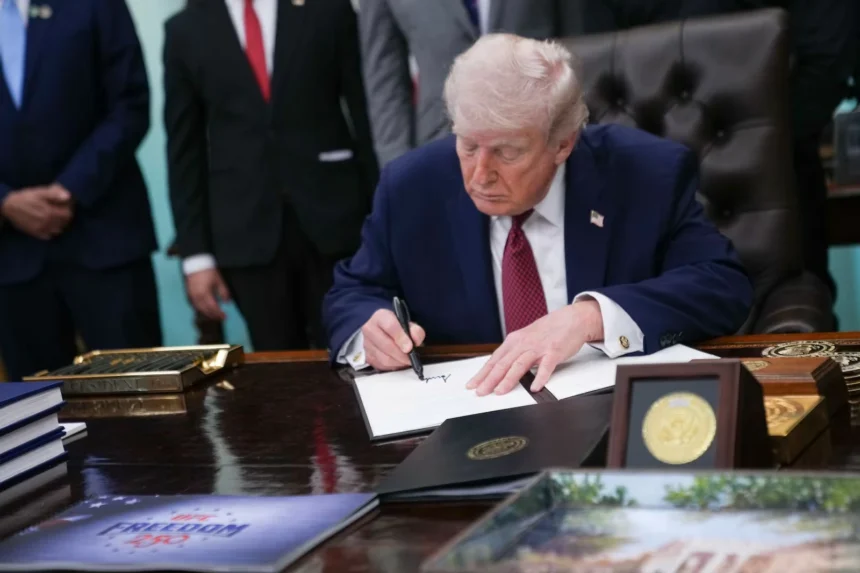
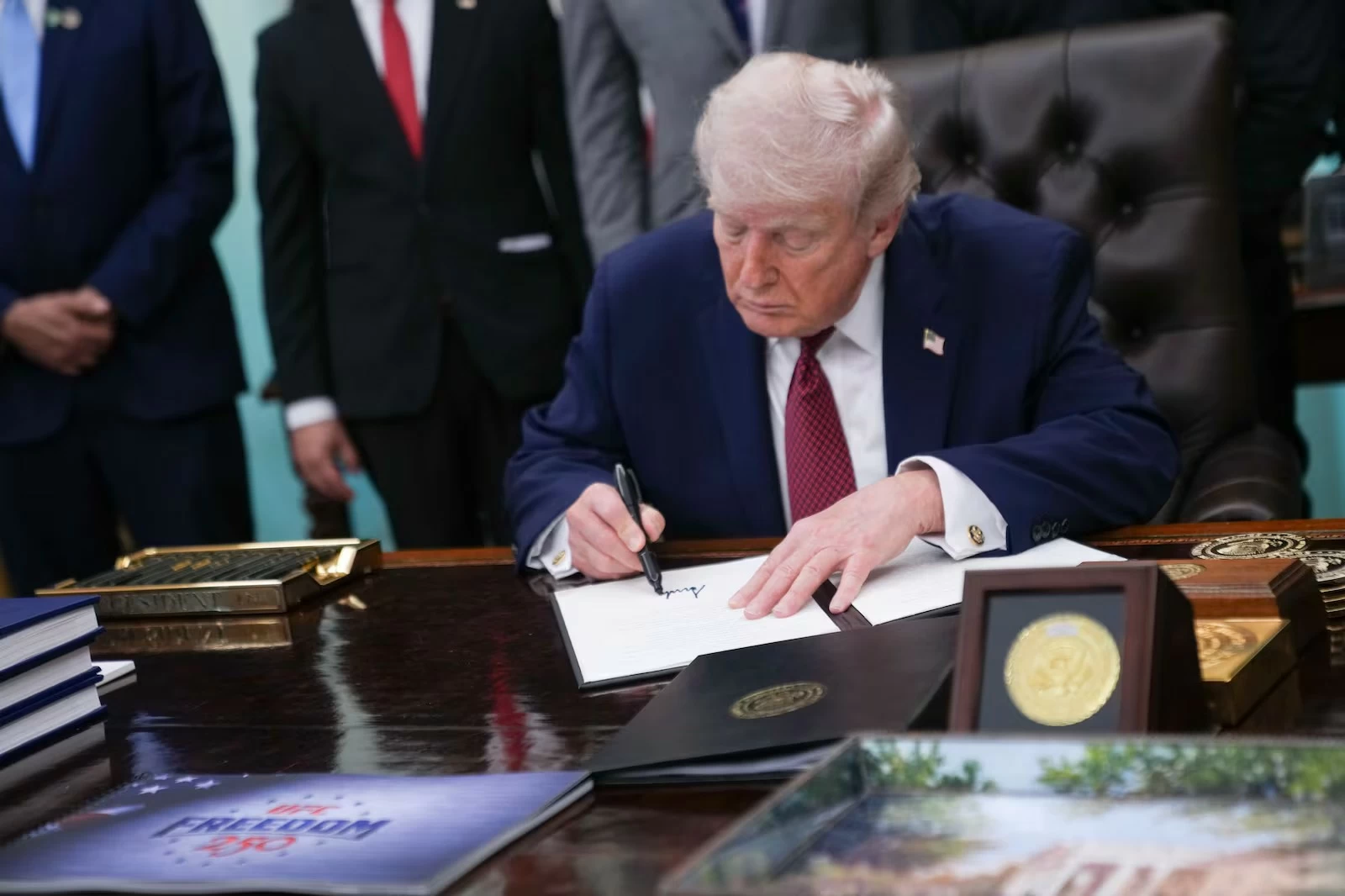
وكان الرئيس دونالد ترمب قد وقع الأمر التنفيذي في 31 مارس الماضي، في إطار مساعيه لتشديد الضوابط المتعلقة بالتصويت عبر البريد، وهو الملف الذي ظل محوراً لانتقاداته منذ انتخابات عام 2020.
وينص القرار على تكليف وزارة الأمن الداخلي بإعداد قوائم للناخبين المؤهلين استناداً إلى سجلات الجنسية والتجنيس وقواعد البيانات الفيدرالية، وإرسالها إلى الولايات، كما يفرض على هيئة البريد تسليم بطاقات الاقتراع للناخبين المدرجين فقط ضمن القوائم المعتمدة للتصويت بالبريد.
ويتضمن القرار أيضاً منح وزارة العدل أولوية للتحقيق وملاحقة مسؤولي الانتخابات المحليين والولائيين الذين يصدرون بطاقات اقتراع فيدرالية لأشخاص تعتبرهم السلطات غير مؤهلين للتصويت.
خلاف دستوري
وترى الولايات المدعية، وعددها 23 ولاية إضافة إلى مقاطعة كولومبيا، أن القرار يتجاوز الصلاحيات الدستورية للرئيس، معتبرة أن إدارة الانتخابات الفيدرالية تقع ضمن اختصاص الولايات وفق الدستور الأمريكي، وليست من صلاحيات السلطة التنفيذية الفيدرالية.
ويُنظر إلى القضية باعتبارها واحدة من أبرز المواجهات القانونية المرتبطة بالانتخابات الأمريكية المقبلة، في ظل الجدل المستمر حول قواعد التصويت بالبريد وحدود صلاحيات الحكومة الفيدرالية في تنظيم العملية الانتخابية.
In a judicial development that may cast a shadow over the upcoming U.S. midterm elections scheduled for next November, a federal court in Boston has allowed Democratic states and voting rights organizations to continue their legal challenges against the executive order issued by President Donald Trump regarding mail-in voting.
Federal Judge Indira Talwani ruled that the case will continue, considering that the potential implications of the presidential decision on the upcoming elections make it necessary to address the issue at this stage, rather than postponing it until the final executive regulations are issued.
The Importance of Timing
The court emphasized that the executive order includes direct instructions to federal agencies to implement specific procedures within clear timelines, which may affect voting mechanisms and election management in the coming months.
The judge noted that delaying judicial review could cause potential harm to the challenging parties, especially with the approaching election deadlines and the associated primaries.
Conversely, the court pointed out that some executive aspects of the decision are still unresolved, given that the final regulations have not been adopted by the relevant authorities, including the Department of Homeland Security and the U.S. Postal Service, which led it to dismiss some challenges related to subsequent elections while keeping the possibility of reintroducing them in the future.
Welcoming and Objections
The plaintiffs welcomed the ruling, including the League of Women Voters and organizations supported by the American Civil Liberties Union, considering that the court recognized the sensitivity of the issue and the importance of resolving it before the upcoming elections.
In contrast, White House spokesperson Abigail Jackson confirmed that the administration will continue to defend the president’s decision, emphasizing that ensuring the integrity and security of elections is one of the main pillars of Trump’s agenda.
Details of the Decision
President Donald Trump signed the executive order on March 31, as part of his efforts to tighten regulations related to mail-in voting, a topic he has criticized since the 2020 elections.
The order mandates the Department of Homeland Security to prepare lists of eligible voters based on citizenship and naturalization records and federal databases, and to send them to the states. It also requires the Postal Service to deliver ballots only to voters listed on the approved mail-in voting lists.
The order also includes prioritizing the Department of Justice to investigate and prosecute local and state election officials who issue federal ballots to individuals deemed ineligible to vote by the authorities.
Constitutional Dispute
The plaintiff states, numbering 23 states plus the District of Columbia, believe that the decision exceeds the constitutional powers of the president, arguing that federal election administration falls within the jurisdiction of the states under the U.S. Constitution and is not within the powers of the federal executive branch.
The case is viewed as one of the most prominent legal confrontations related to the upcoming U.S. elections, amid ongoing debate over mail-in voting rules and the limits of federal government authority in regulating the electoral process.