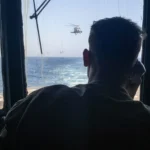


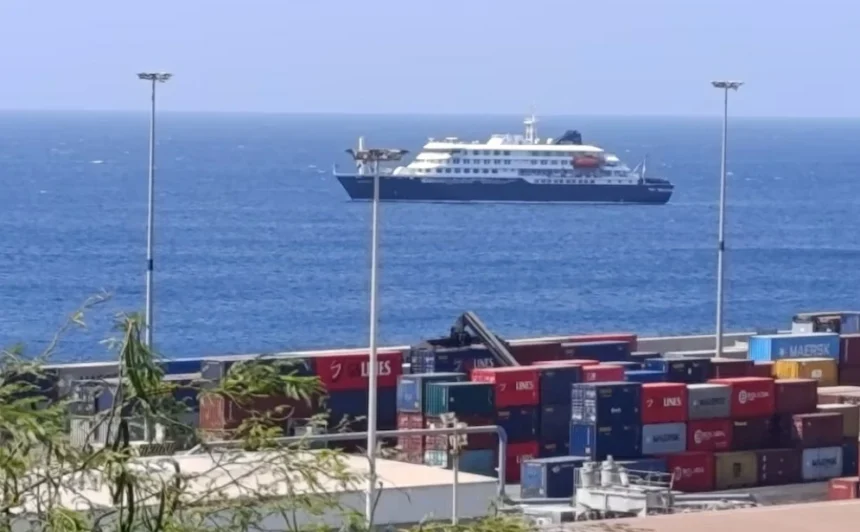
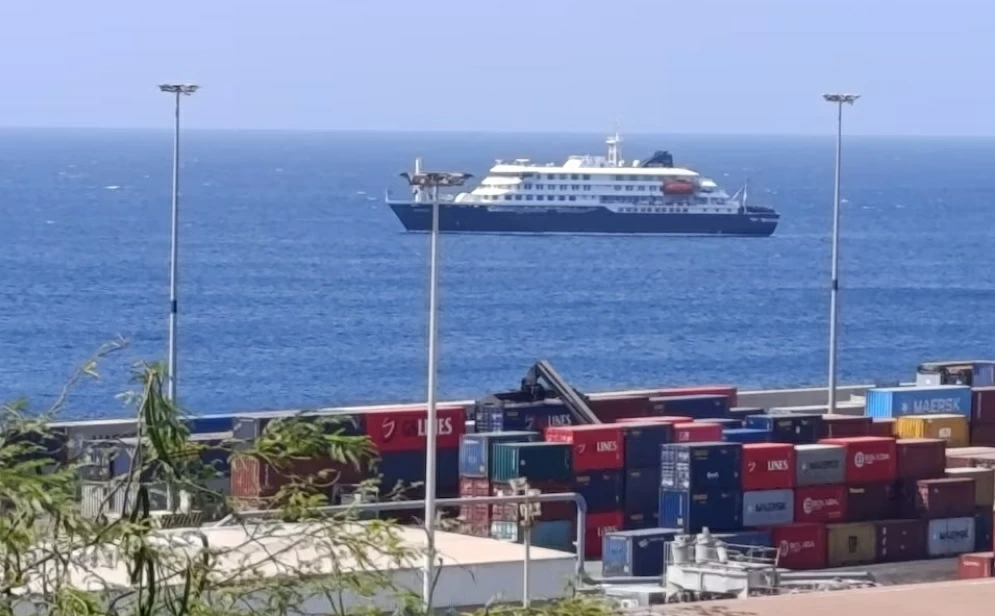
تحولت رحلة بحرية استكشافية عبر المحيط الأطلسي إلى قصة رعب أثارت جدلاً واسعاً على مواقع التواصل ووسائل الإعلام، بعد تداول أنباء عن تفشي «فايروس هانتا» القاتل على متن سفينة سياحية شهدت وفاة 3 ركاب خلال الرحلة.
ورغم العناوين المثيرة التي تحدثت عن «وباء جديد يهدد البشرية»، خرج أحد الركاب، صاحب حساب (ibnhattuta) على منصة إنستغرام، ليروي تفاصيل ما حدث فعلاً على متن السفينة، مؤكداً أن الصورة المتداولة «مبالغ فيها» مقارنة بالواقع.
بداية الرحلة
وأوضح الراكب أن الرحلة انطلقت من جنوب الأرجنتين في مسار بحري يمتد 35 يوماً عبر المحيط الأطلسي مروراً بعدد من الجزر المعزولة، وصولاً إلى دولة الرأس الأخضر في أفريقيا، بهدف استكشاف الطبيعة والحياة البرية.
وبحسب روايته، بدأت الأزمة بعد تدهور الحالة الصحية لأحد الركاب كبار السن، قبل أن يتوفى بعد نحو 12 يوماً من انطلاق الرحلة، ليتم نقل جثمانه في إحدى الجزر التي توقفت عندها السفينة. وبعد أيام قليلة، توفيت زوجته التي كانت ترافقه على متن الرحلة.
تصاعد الوفيات
ومع استمرار الإبحار، ظهرت أعراض مرضية على راكب ثالث، ما دفع السفينة للتوقف في جزيرة «أسينشن» لإجراء إخلاء طبي عاجل له، قبل أن تستكمل طريقها نحو الرأس الأخضر.
لكن لاحقاً، شهدت السفينة حالة وفاة جديدة لراكب آخر، في وقت بدأت فيه المخاوف تتصاعد بين الطاقم والركاب مع تزايد الحالات المشابهة.
نتائج التحاليل
وبالتزامن مع ذلك، وصلت نتائج الفحوص الطبية للحالة التي تم إخلاؤها سابقاً، والتي أكدت إصابته بفايروس «هانتا»، ما زاد من الجدل حول طبيعة ما يحدث على متن السفينة.
وأشار الراكب إلى أن شخصين آخرين ظهرت عليهما أعراض مشابهة، ما دفع الطاقم للإسراع نحو الوجهة الأخيرة أملاً في إنقاذ المصابين.
موقف «الرأس الأخضر»
غير أن الأزمة تعقدت بعدما رفضت سلطات الرأس الأخضر استقبال السفينة أو السماح بعملية إخلاء طبي داخل مياهها الإقليمية، مكتفية بإرسال فريق طبي لأخذ عينات من الحالات المصابة دون إعلان نتائج نهائية حتى الآن.
وأكد صاحب الرواية أن معظم الركاب يتعاملون مع الوضع بهدوء، مشيراً إلى أن حالة واحدة فقط تأكدت إصابتها بفايروس «هانتا»، وأن العدوى بهذا الفايروس تُعد محدودة نسبياً، كما أنه ليس فايروساً جديداً على العالم.
واختتم حديثه قائلاً إن «هانتا» لا يمثل وباءً عالمياً كما يتم تصويره، مضيفاً: «لو كان سيتحول إلى وباء لكان حدث ذلك منذ سنوات».
تدخل دولي لإنقاذ الركاب
وفي تطور جديد، وافقت الحكومة الإسبانية على استقبال السفينة بعد طلب من منظمة الصحة العالمية والاتحاد الأوروبي، في خطوة إنسانية تهدف إلى إنقاذ الركاب والطاقم، ومن المنتظر أن ترسو في أحد موانئ جزر الكناري خلال الأيام المقبلة، حيث سيتم تقديم الرعاية الطبية اللازمة للركاب وإعادتهم إلى بلدانهم.
وأوضحت وزارة الصحة الإسبانية أن جميع الركاب، وعددهم نحو 150 شخصًا من 23 دولة، سيخضعون للفحص والعلاج فور وصول السفينة، وستُتخذ إجراءات صارمة لمنع أي احتكاك مع السكان المحليين، بما في ذلك استخدام وسائل نقل ومرافق طبية مخصصة.
وأكدت السلطات أن جزر الكناري تُعد أقرب موقع يمتلك الإمكانيات اللازمة للتعامل مع الأزمة، خصوصا بعد عجز الرأس الأخضر عن استقبال السفينة.
An exploratory cruise across the Atlantic Ocean turned into a horror story that sparked widespread controversy on social media and in the media, after reports emerged about the outbreak of the deadly “Hanta virus” on board a cruise ship that witnessed the death of 3 passengers during the journey.
Despite the sensational headlines talking about a “new epidemic threatening humanity,” one passenger, who goes by the Instagram handle (ibnhattuta), came forward to recount the details of what actually happened on board the ship, asserting that the circulated image is “exaggerated” compared to reality.
Beginning of the Journey
The passenger explained that the journey started from southern Argentina on a maritime route lasting 35 days across the Atlantic Ocean, passing through several isolated islands, reaching the country of Cape Verde in Africa, with the aim of exploring nature and wildlife.
According to his account, the crisis began after the health condition of an elderly passenger deteriorated, before he passed away about 12 days after the journey began, and his body was transferred at one of the islands where the ship stopped. A few days later, his wife, who was accompanying him on the trip, also passed away.
Rising Deaths
As the sailing continued, symptoms of illness appeared in a third passenger, prompting the ship to stop at “Ascension Island” for an urgent medical evacuation, before continuing its journey toward Cape Verde.
However, later on, the ship witnessed another death of another passenger, at a time when fears were escalating among the crew and passengers with the increase in similar cases.
Test Results
Simultaneously, the medical test results for the previously evacuated case arrived, confirming that he was infected with the “Hanta virus,” which increased the controversy surrounding the nature of what was happening on board the ship.
The passenger pointed out that two other individuals showed similar symptoms, prompting the crew to hasten toward the final destination in hopes of saving the infected.
The Position of Cape Verde
However, the crisis complicated when the authorities of Cape Verde refused to allow the ship to dock or permit a medical evacuation within its territorial waters, contenting themselves with sending a medical team to take samples from the infected cases without announcing final results so far.
The narrator confirmed that most passengers are dealing with the situation calmly, noting that only one case has been confirmed to be infected with the “Hanta virus,” and that the contagion of this virus is relatively limited, as it is not a new virus to the world.
He concluded his remarks by stating that “Hanta” does not represent a global epidemic as it is portrayed, adding: “If it were going to turn into an epidemic, it would have happened years ago.”
International Intervention to Rescue Passengers
In a new development, the Spanish government agreed to receive the ship after a request from the World Health Organization and the European Union, in a humanitarian step aimed at rescuing the passengers and crew. It is expected to dock at one of the ports in the Canary Islands in the coming days, where necessary medical care will be provided to the passengers and they will be returned to their countries.
The Spanish Ministry of Health clarified that all passengers, numbering around 150 people from 23 countries, will undergo examination and treatment upon the ship’s arrival, and strict measures will be taken to prevent any contact with the local population, including the use of designated transportation and medical facilities.
The authorities confirmed that the Canary Islands are the closest location with the necessary capabilities to handle the crisis, especially after Cape Verde’s inability to receive the ship.