شهدت الحكومة المصرية، اليوم (الثلاثاء) تعديلاً وزارياً واسعاً تضمن اختيار نائب لرئيس الوزراء للشئون الاقتصادية، و17 وزيراً، و4 نواب وزراء بينهم نائبان لوزير الخارجية ونائبان اثنان لوزير الإسكان، وهو ما وافق عليه مجلس النواب المصري، في جلسته الطارئة مساء اليوم.
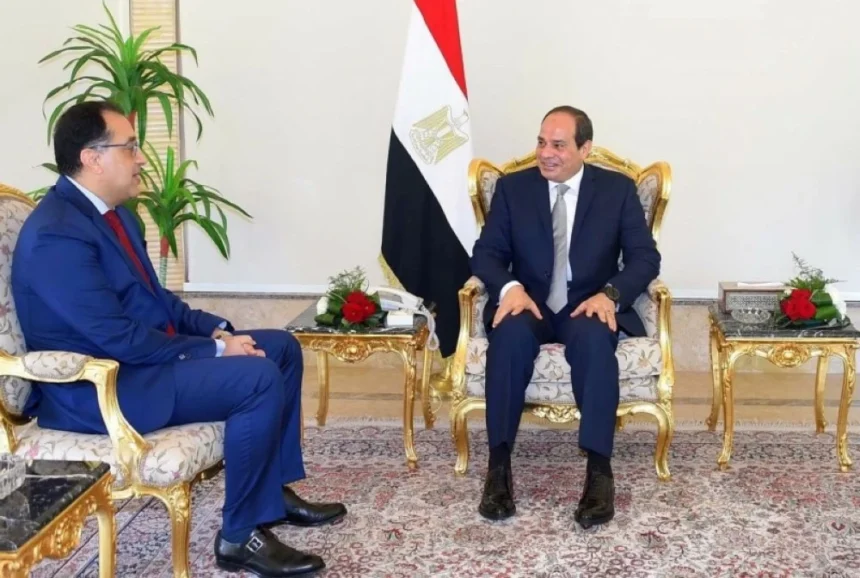
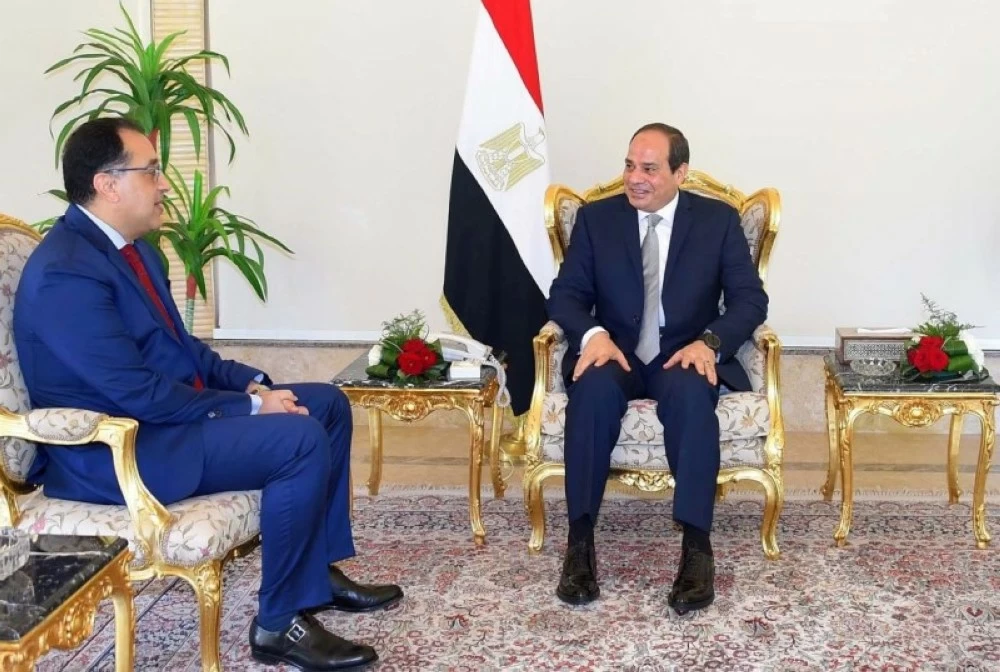
وكان الرئيس المصري عبد الفتاح السيسي، استقبل صباح اليوم، رئيس مجلس الوزراء الدكتور مصطفى مدبولي، وصرح المُتحدث الرسمي باِسم رئاسة الجمهورية بأن السيسي تشاور مع مدبولي رئيس الوزراء لإجراء تعديل على تشكيل الحكومة الحالية.
وذكر السفير محمد الشناوي، المُتحدث الرسمي، أن الرئيس أكد ضرورة أن تعمل الحكومة، بتشكيلها الجديد، على تحقيق عددٍ من الأهداف المحددة في المحاور الخاصة بالأمن القومي والسياسة الخارجية والتنمية الاقتصادية والإنتاج والطاقة والأمن الغذائي المجتمع وبناء الإنسان، وذلك بالإضافة إلى تكليفات جديدة تتسق مع الغاية من إجراء التعديل الوزاري.
وفيما يلي ننشر تشكيل الحكومة كاملة برئاسة الدكتور مصطفى مدبولي والذي تولى المنصب منذ عام 2018 حتى الآن، وجاء التشكيل كالتالي:
الدكتور مصطفى مدبولي رئيس مجلس الوزراء (رئيس الحكومة).
الدكتور حسين عيسى نائباً لرئيس مجلس الوزراء للشئون الاقتصادية.
الفريق أول عبد المجيد صقر وزير الدفاع والإنتاج الحربي.
اللواء محمود توفيق وزير الداخلية.
الدكتور أسامة الأزهري وزير الأوقاف.
محمد عبد اللطيف وزير التربية والتعليم والتعليم الفني.
المهندس كريم بدوي وزير البترول والثروة المعدنية.
الدكتور شريف فاروق وزير التموين والتجارة الداخلية.
الدكتور محمود عصمت وزير الكهرباء والطاقة المتجددة.
أحمد كجوك وزير المالية.
الدكتورة مايا محمد مرسي وزيرة التضامن الاجتماعي.
سامح الحفني وزير الطيران المدني.
الدكتور هاني سويلم وزير الموارد المائية والري.
المهندس محمد إبراهيم أحمد شيمي وزير قطاع الأعمال العام.
شريف فتحي وزير السياحة والآثار.
علاء فاروق وزير الزراعة واستصلاح الأراضي.
الدكتور خالد عبد الغفار وزير الصحة والسكان.
المهندس كامل عبد الوزير وزير النقل والمواصلات.
الدكتور بدر عبد العاطي وزيراً للخارجية والتعاون الدولي والمصريين بالخارج.
الدكتورة منال عوض وزيرة التنمية المحلية والبيئة.
الدكتور محمد فريد صالح وزير الاستثمار والتجارة الخارجية.
الدكتور عبد العزيز حسين محمد سعد قصوة وزير التعليم العالي والبحث العلمي.
المهندس رأفت هندي وزير الاتصالات وتكنولوجيا المعلومات.
ضياء رشوان وزير الدولة للإعلام.
اللواء صلاح سليمان وزير الدولة للإنتاج الحربي.
المستشار هاني حنا صدقي عازر وزير شئون المجالس النيابية.
المستشار محمود محمد حلمي أحمد الشريف وزير العدل.
الدكتورة جيهان ذكي وزيرة الثقافة.
الدكتور أحمد رستم وزير التخطيط.
حسن رداد وزير العمل.
جوهر نبيل وزير الشباب والرياضة.
المهندسة راندا المنشاوي وزيرة الإسكان والمرافق والمجتمعات العمرانية.
المهندس خالد هاشم وزير الصناعة.
السفير أبو بكر صالح نائب وزير الخارجية للشئون الأفريقية.
وليد عبد القوي نائب وزير الإسكان.
المهندس أحمد عمران نائب وزير الإسكان للمرافق.
سمر محمود عبد الواحد نائب وزير الخارجية للتعاون الدولي.
وفي أول قرارات له بعد تشكيل الحكومة، أصدر السيسي نحو 8 تكليفات للحكومة الجديدة للعمل عليها، وجاءت على النحور التالي:
1 – التأكيد على محاور التكليف الرئاسي الصادر للدكتور مصطفى مدبولي عند تشكيل الحكومة بالقرار الجمهوري رقم ٢٠٢٤/٢٥٨، وهي: الأمن القومي والسياسة الخارجية، التنمية الاقتصادية، الإنتاج والطاقة والأمن الغذائي، المجتمع وبناء الإنسان.
2 – وضع خطة لكل وزارة تتضمن المستهدفات والإجراءات ومدة التنفيذ والتمويل اللازم ومؤشرات قياس الأداء وستكون محلاً للمتابعة والتقييم بصفة مستمر.
3 – أولوية اهتمام المجموعة الاقتصادية بتحسين الوضع الاقتصادي باستمرار من خلال قيام نائب رئيس الوزراء للشئون الاقتصادية بالمشاركة في وضع الخطط المستقبلية والتنسيق بين أعضائها وتحقيق الانسجام بين مهامهم ومتابعة الأداء، خاصة وقد قاربت مدة برنامج صندوق النقد الدولي على الانتهاء آخر هذا العام، والتوجه نحو تخفيض حجم الدين العام بأفكار جديدة يجب أن تدرس بعناية فائقة من حيث سلامة إجراءاتها وإيجابية آثارها على المديين القريب والبعيد.
4 – مواصلة تنفيذ سياسة ملكية الدولة بخطوات ملموسة، وزيادة مشاركة القطاع الخاص في المجال الاقتصادي.
5 – ولوج مجالات جديدة لدعم الاقتصاد خاصة في التقنية والمعادن النادرة والصناعات المرتبطة بها وتشجيع الابتكارات وتمويل أبحاثها وتطبيقاتها.
6 – الارتقاء المستدام بمنظومة التعليم من كافة جوانبها، وزيادة الاهتمام بصحة المواطنين وتيسير العلاج لهم.
7 – إعلاء قيم المواطنة والمساواة وعدم التمييز وتشجيع المشاركة في الشأن العام بإجراءات شفافة تلبي طموح المواطنين، وما يتصل بها من استكمال الاستحقاق الدستوري الخاص بالمجالس المحلية لتحقيق المشاركة الشعبية في مراقبة العمل في وحدات الإدارة المحلية وضبط الأداء الإداري فيها.
8 – إيلاء أهمية قصوى بالرأي العام وتبصرته بصفة مستمرة بالحقائق من خلال إعلام وطني قادر على الوصول إلى كافة مكونات المجتمع المصري، وتقديم خطاب مهني مسؤول إليهم، يُشكل وعياً جمعياً أمام ما تواجهه مصر من تحديات وما ينشر من شائعات، ويعزز من ثقافة الحوار البناء، وتنمية القدرة على التفكير السليم، واحترام آراء الآخرين.
The Egyptian government witnessed, today (Tuesday), a wide-ranging cabinet reshuffle that included the appointment of a Deputy Prime Minister for Economic Affairs, 17 ministers, and 4 deputy ministers, including two deputies for the Minister of Foreign Affairs and two deputies for the Minister of Housing. This was approved by the Egyptian House of Representatives in its emergency session this evening.
Egyptian President Abdel Fattah El-Sisi received Prime Minister Dr. Mostafa Madbouly this morning, and the official spokesperson for the Presidency stated that El-Sisi consulted with Madbouly regarding a reshuffle of the current government formation.
Ambassador Mohamed El-Shenawy, the official spokesperson, mentioned that the president emphasized the necessity for the government, in its new formation, to work on achieving a number of objectives specified in the areas related to national security, foreign policy, economic development, production, energy, food security, community, and human development, in addition to new assignments that align with the purpose of conducting the cabinet reshuffle.
Below, we publish the complete formation of the government headed by Dr. Mostafa Madbouly, who has held the position since 2018, as follows:
Dr. Mostafa Madbouly, Prime Minister (Head of Government).
Dr. Hussein Eissa, Deputy Prime Minister for Economic Affairs.
General Abdel Meguid Saker, Minister of Defense and Military Production.
Major General Mahmoud Tawfik, Minister of Interior.
Dr. Osama Al-Azhari, Minister of Awqaf.
Mohamed Abdel Latif, Minister of Education and Technical Education.
Engineer Karim Badawy, Minister of Petroleum and Mineral Resources.
Dr. Sherif Farouk, Minister of Supply and Internal Trade.
Dr. Mahmoud Asmat, Minister of Electricity and Renewable Energy.
Ahmed Kijok, Minister of Finance.
Dr. Maya Mohamed Morsi, Minister of Social Solidarity.
Sameh Hefni, Minister of Civil Aviation.
Dr. Hani Sewilam, Minister of Water Resources and Irrigation.
Engineer Mohamed Ibrahim Ahmed Shimi, Minister of Public Business Sector.
Sherif Fathy, Minister of Tourism and Antiquities.
Alaa Farouk, Minister of Agriculture and Land Reclamation.
Dr. Khaled Abdel Ghaffar, Minister of Health and Population.
Engineer Kamel Abdel-Wazir, Minister of Transport and Communications.
Dr. Badr Abdel-Aty, Minister of Foreign Affairs, International Cooperation, and Egyptians Abroad.
Dr. Manal Awad, Minister of Local Development and Environment.
Dr. Mohamed Farid Saleh, Minister of Investment and Foreign Trade.
Dr. Abdel Aziz Hussein Mohamed Saad Qaswa, Minister of Higher Education and Scientific Research.
Engineer Raafat Hindi, Minister of Communications and Information Technology.
Diaa Rishwan, Minister of State for Information.
Major General Salah Suleiman, Minister of State for Military Production.
Advisor Hani Hanna Sidqi Azar, Minister of Parliamentary Affairs.
Advisor Mahmoud Mohamed Helmy Ahmed El-Sherif, Minister of Justice.
Dr. Jihan Zaki, Minister of Culture.
Dr. Ahmed Rostom, Minister of Planning.
Hassan Raddad, Minister of Labor.
Jawhar Nabil, Minister of Youth and Sports.
Engineer Randa El-Manshawi, Minister of Housing, Utilities, and Urban Communities.
Engineer Khaled Hashem, Minister of Industry.
Ambassador Abu Bakr Saleh, Deputy Minister of Foreign Affairs for African Affairs.
Walid Abdel Qawi, Deputy Minister of Housing.
Engineer Ahmed Omran, Deputy Minister of Housing for Utilities.
Samar Mahmoud Abdel Wahid, Deputy Minister of Foreign Affairs for International Cooperation.
In his first decisions after the formation of the government, El-Sisi issued about 8 assignments for the new government to work on, as follows:
1 – Emphasizing the axes of the presidential assignment issued to Dr. Mostafa Madbouly upon the formation of the government by Republican Decree No. 2024/258, which are: national security and foreign policy, economic development, production and energy, food security, community, and human development.
2 – Developing a plan for each ministry that includes targets, procedures, implementation duration, necessary funding, and performance measurement indicators, which will be subject to continuous follow-up and evaluation.
3 – Prioritizing the economic group’s attention to continuously improve the economic situation by having the Deputy Prime Minister for Economic Affairs participate in developing future plans, coordinating among its members, achieving harmony between their tasks, and monitoring performance, especially as the duration of the International Monetary Fund program is nearing its end by the end of this year, and moving towards reducing the public debt with new ideas that must be studied very carefully in terms of the soundness of their procedures and their positive effects in the short and long term.
4 – Continuing to implement the state ownership policy with tangible steps and increasing the participation of the private sector in the economic field.
5 – Entering new areas to support the economy, especially in technology, rare minerals, and related industries, encouraging innovations, and funding their research and applications.
6 – Sustainably upgrading the education system from all aspects and increasing attention to citizens’ health and facilitating their treatment.
7 – Elevating the values of citizenship, equality, and non-discrimination and encouraging participation in public affairs through transparent procedures that meet citizens’ aspirations, along with completing the constitutional entitlement related to local councils to achieve popular participation in monitoring work in local administration units and regulating administrative performance therein.
8 – Giving utmost importance to public opinion and continuously enlightening it with facts through a national media capable of reaching all components of Egyptian society, and providing them with a responsible professional discourse that shapes a collective awareness of the challenges facing Egypt and the rumors being spread, and enhances the culture of constructive dialogue, develops the ability for sound thinking, and respects the opinions of others.