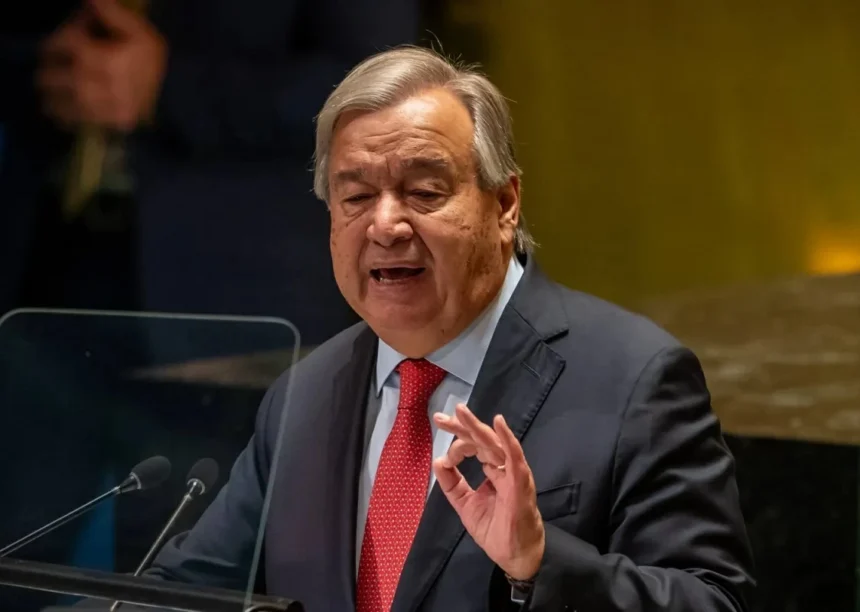
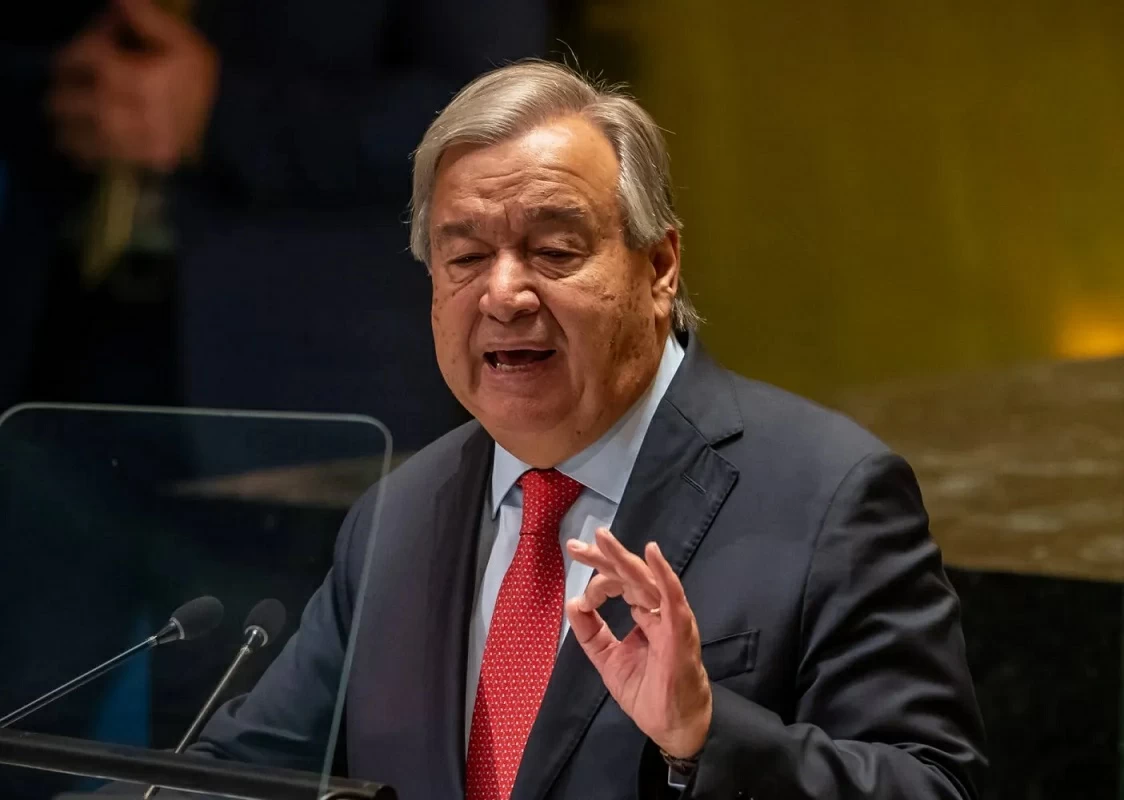
أعلن الأمين العام للأمم المتحدة أنطونيو غوتيريش، اليوم (الثلاثاء)، أن المؤشرات الحالية ترجّح بقوة استئناف المحادثات الرامية إلى إنهاء الحرب مع إيران، في خطوة قد تمهّد لخفض التصعيد في المنطقة.
وقال عوتيريش، في تصريحات أدلى بها للصحفيين اليوم، إن هناك إشارات إيجابية على إمكانية عودة الأطراف المعنية إلى طاولة الحوار، مشدداً على أهمية استغلال هذه الفرصة لدفع المسار السياسي وإنهاء حالة التوتر المتصاعدة.
وأوضح أن الأمم المتحدة تواصل جهودها الدبلوماسية مع مختلف الأطراف الدولية والإقليمية، بهدف تهيئة الظروف المناسبة لاستئناف المفاوضات، مؤكداً أن الحل السياسي يظل السبيل الوحيد لإنهاء النزاعات وتحقيق الاستقرار.
وأشار إلى أن الاتفاقات تتطلب إرادة سياسية وانخراطاً مستمراً، مشدداً على ضرورة استئناف المفاوضات الجادة والحفاظ على وقف إطلاق النار.
وقال الأمين العام للأم المتحدة: لا حل عسكرياً للأزمة في الشرق الأوسط ويجب احترام حقوق الملاحة الدولية، ويشمل ذلك مضيق هرمز، من قبل جميع الأطراف، مضيفاً: حان وقت ضبط النفس والمسؤولية، وحان وقت الدبلوماسية بدل التصعيد والالتزام المتجدد بالقانون الدولي.
وفيما يتعلق بالهجمات في لبنان قال غوتيريش: كلما أطلق حزب الله صواريخ على إسرائيل، فإنها تستخدم هذه الذريعة فوراً لشن عمليات واسعة النطاق على لبنان، مضيفاً: لا يتوقع أحد أن تحل محادثات لبنان وإسرائيل كل المشكلات، لكن أعتقد أن تهيئة الظروف أمر مهم.
وشدد بالقول: «الحقيقة هي أن حزب الله وإسرائيل لطالما ساهما في زعزعة استقرار الحكومة اللبنانية».
وتأتي هذه التصريحات في ظل تصاعد التوترات في المنطقة، وما يرافقها من مخاوف دولية من اتساع رقعة الصراع، الأمر الذي يدفع المجتمع الدولي إلى تكثيف الجهود لإحياء مسار التفاوض ومنع مزيد من التصعيد.
The United Nations Secretary-General Antonio Guterres announced today (Tuesday) that current indicators strongly suggest a resumption of talks aimed at ending the war with Iran, in a step that could pave the way for de-escalation in the region.
Guterres stated in remarks made to reporters today that there are positive signs regarding the possibility of the concerned parties returning to the negotiating table, emphasizing the importance of seizing this opportunity to advance the political process and end the escalating tensions.
He explained that the United Nations continues its diplomatic efforts with various international and regional parties to create the appropriate conditions for resuming negotiations, affirming that a political solution remains the only way to end conflicts and achieve stability.
He noted that agreements require political will and ongoing engagement, stressing the necessity of resuming serious negotiations and maintaining the ceasefire.
The UN Secretary-General stated: “There is no military solution to the crisis in the Middle East, and the rights of international navigation must be respected, including in the Strait of Hormuz, by all parties,” adding: “It is time for restraint and responsibility, and it is time for diplomacy instead of escalation and renewed commitment to international law.”
Regarding the attacks in Lebanon, Guterres said: “Whenever Hezbollah launches rockets at Israel, it immediately uses this pretext to carry out large-scale operations in Lebanon,” adding: “No one expects Lebanon-Israel talks to solve all problems, but I believe creating the right conditions is important.”
He emphasized by saying: “The truth is that both Hezbollah and Israel have long contributed to destabilizing the Lebanese government.”
These statements come amid rising tensions in the region, accompanied by international concerns about the widening scope of the conflict, prompting the international community to intensify efforts to revive the negotiation process and prevent further escalation.