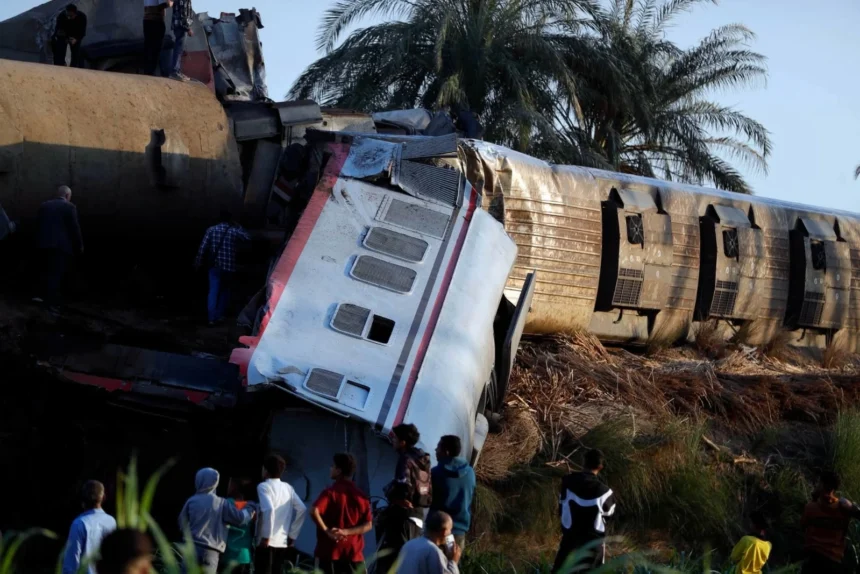
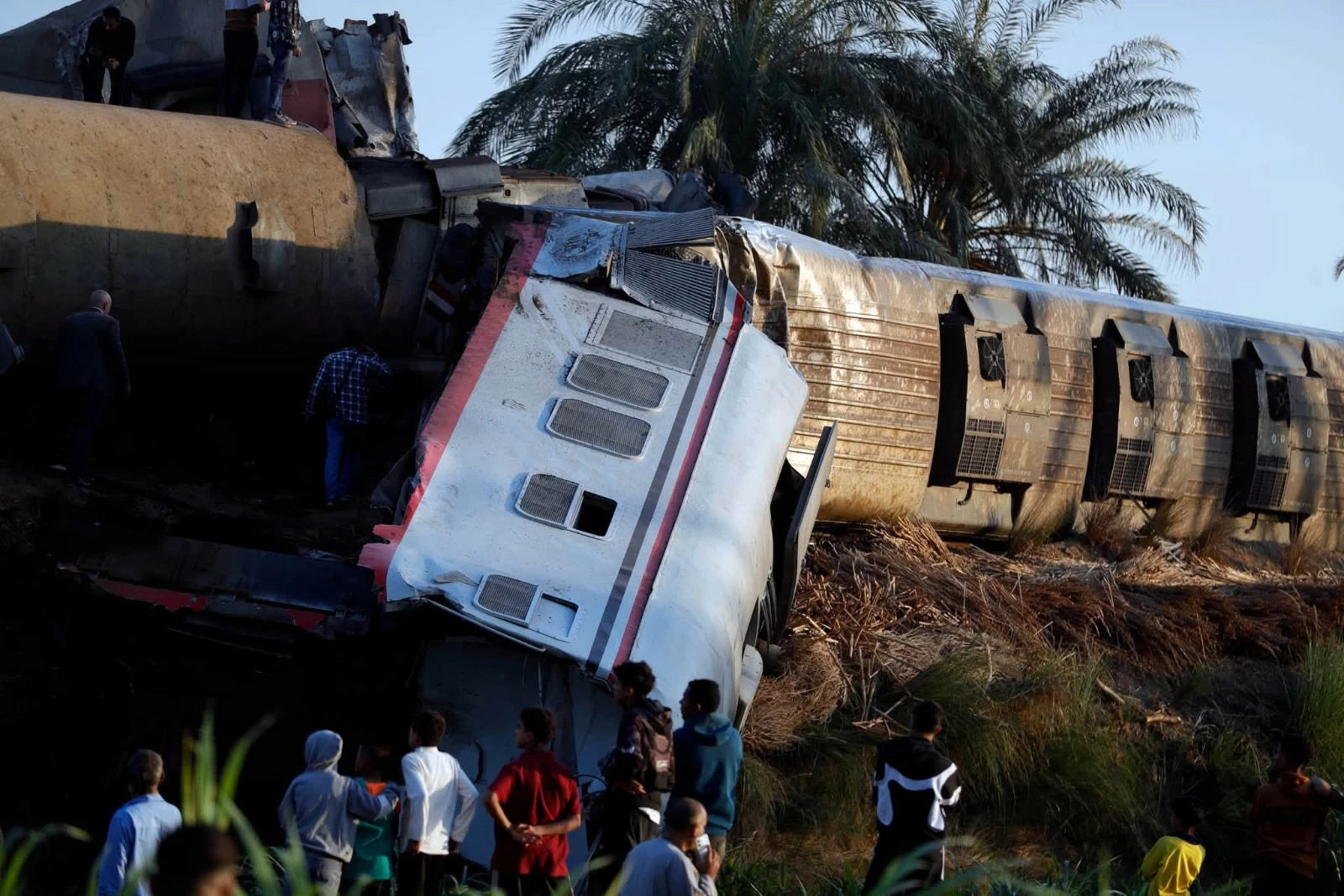
يعقد مجلس النواب المصري، اليوم الثلاثاء، اجتماعا عاجلا للجنة النقل والمواصلات بحضور وزير النقل الفريق كامل الوزير، لمناقشة تداعيات حادث تصادم قطاري العياط بمحافظة الجيزة، والوقوف على أسبابه والإجراءات المتخذة لمحاسبة المسؤولين ومنع تكرار مثل هذه الحوادث.
ويأتي الاجتماع برئاسة النائب وحيد قرقر، رئيس لجنة النقل والمواصلات، بعد موافقة المستشار هشام بدوي، رئيس مجلس النواب، على عقده، في أعقاب الحادث الذي أسفر عن وفاة 7 أشخاص وإصابة 125 آخرين، وفقا للحصيلة التي أعلنتها وزارة الصحة المصرية.
ومن المقرر أن يستعرض وزير النقل أمام اللجنة ملابسات الحادث والإجراءات التي اتخذتها الوزارة، إلى جانب الرد على تساؤلات النواب بشأن كفاءة منظومة التشغيل والإشارات وإجراءات الأمان والسلامة داخل هيئة السكك الحديدية.
ويأتي التحرك البرلماني وسط مطالبات من عدد من النواب بمحاسبة المسؤولين عن الحادث، وصلت إلى حد المطالبة بإقالة وزير النقل، على خلفية تكرار حوادث القطارات والتساؤلات بشأن مدى فاعلية خطط تطوير المرفق.
وتتزامن المناقشات مع تحقيقات النيابة العامة التي كشفت في نتائجها الأولية عن تعطيل قائد القطار رقم 134 نظام التحكم الآلي، فضلا عن تقاعس مسؤولين بمحطة الرقة عن متابعة لوحة الإشارات، والتلاعب في دفتر الإشارات لإخفاء أوجه التقصير، بحسب بيان النيابة.
وقررت النيابة حبس مراقب المحطة وناظرها احتياطيا على ذمة التحقيقات، كما كلفت لجنة فنية من أساتذة كلية الهندسة بجامعة القاهرة بفحص منظومة التشغيل والإشارات والتحكم الآلي، وتحديد أوجه القصور والمسؤوليات المحتملة عن وقوع التصادم.
وكان الحادث قد وقع بين القطار رقم 134 المتجه من الجيزة إلى الفيوم والقطار رقم 2010 المتجه من القاهرة إلى أسوان، بعدما اصطدمت مقدمة القطار الأول بالعربة الأخيرة من القطار الثاني أثناء توقفه على القضبان في الاتجاه نفسه.
ويعيد الحادث فتح ملف سلامة السكك الحديدية في مصر، رغم الاستثمارات الكبيرة التي ضختها الدولة خلال السنوات الماضية لتحديث البنية التحتية ونظم الإشارات وشراء جرارات وعربات جديدة، إذ تظل كفاءة التشغيل والرقابة والالتزام بإجراءات الأمان من العوامل الحاسمة في الحد من الحوادث.
ومن المنتظر أن تسفر مناقشات اللجنة عن توصيات بشأن إجراءات السلامة والمحاسبة وتطوير منظومة السكك الحديدية، في وقت تتواصل فيه التحقيقات القضائية لتحديد المسؤوليات النهائية عن الحادث.
The Egyptian House of Representatives is holding an urgent meeting today, Tuesday, for the Transport and Communications Committee, with the attendance of Minister of Transport, Lieutenant General Kamel El-Wazir, to discuss the repercussions of the train collision in Al-Ayyat, Giza Governorate, and to examine its causes and the measures taken to hold those responsible accountable and prevent the recurrence of such incidents.
The meeting is chaired by Deputy Wahid Qaqar, Chairman of the Transport and Communications Committee, following the approval of Counselor Hisham Badawy, Speaker of the House of Representatives, to hold it, in the aftermath of the incident that resulted in the deaths of 7 people and injuries to 125 others, according to the toll announced by the Egyptian Ministry of Health.
The Minister of Transport is scheduled to present to the committee the circumstances of the accident and the measures taken by the ministry, as well as respond to the deputies’ inquiries regarding the efficiency of the operating system, signals, and safety procedures within the railway authority.
This parliamentary move comes amid demands from several deputies to hold those responsible for the incident accountable, reaching the point of calling for the dismissal of the Minister of Transport, in light of the recurrence of train accidents and questions regarding the effectiveness of the facility’s development plans.
The discussions coincide with investigations by the Public Prosecution, which revealed in its preliminary results that the driver of train number 134 had disabled the automatic control system, in addition to the negligence of officials at the Al-Raqa station in monitoring the signal board, and tampering with the signal log to conceal shortcomings, according to a statement from the prosecution.
The prosecution decided to detain the station supervisor and its inspector provisionally pending investigations, and tasked a technical committee of professors from the Faculty of Engineering at Cairo University to examine the operating system, signals, and automatic control, and to identify shortcomings and potential responsibilities for the collision.
The incident occurred between train number 134 heading from Giza to Fayoum and train number 2010 heading from Cairo to Aswan, after the front of the first train collided with the last carriage of the second train while it was stopped on the tracks in the same direction.
The incident reopens the file on railway safety in Egypt, despite the significant investments made by the state in recent years to modernize infrastructure, signaling systems, and to purchase new locomotives and carriages, as the efficiency of operation, oversight, and adherence to safety procedures remain critical factors in reducing accidents.
It is expected that the committee’s discussions will result in recommendations regarding safety measures, accountability, and the development of the railway system, while judicial investigations continue to determine the final responsibilities for the incident.