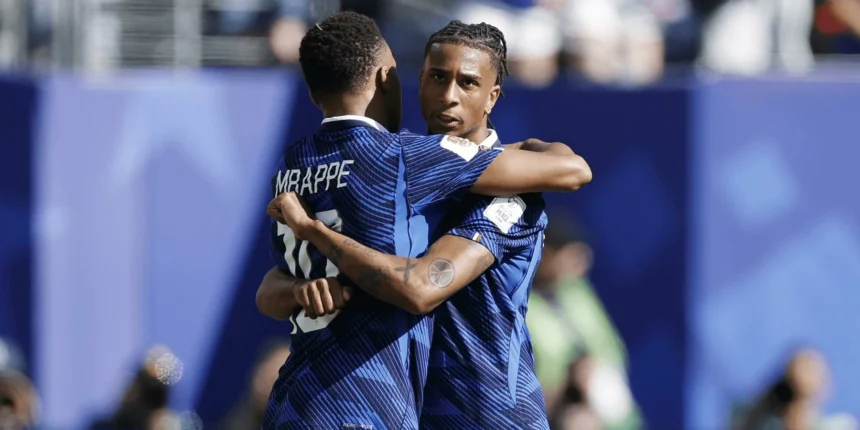
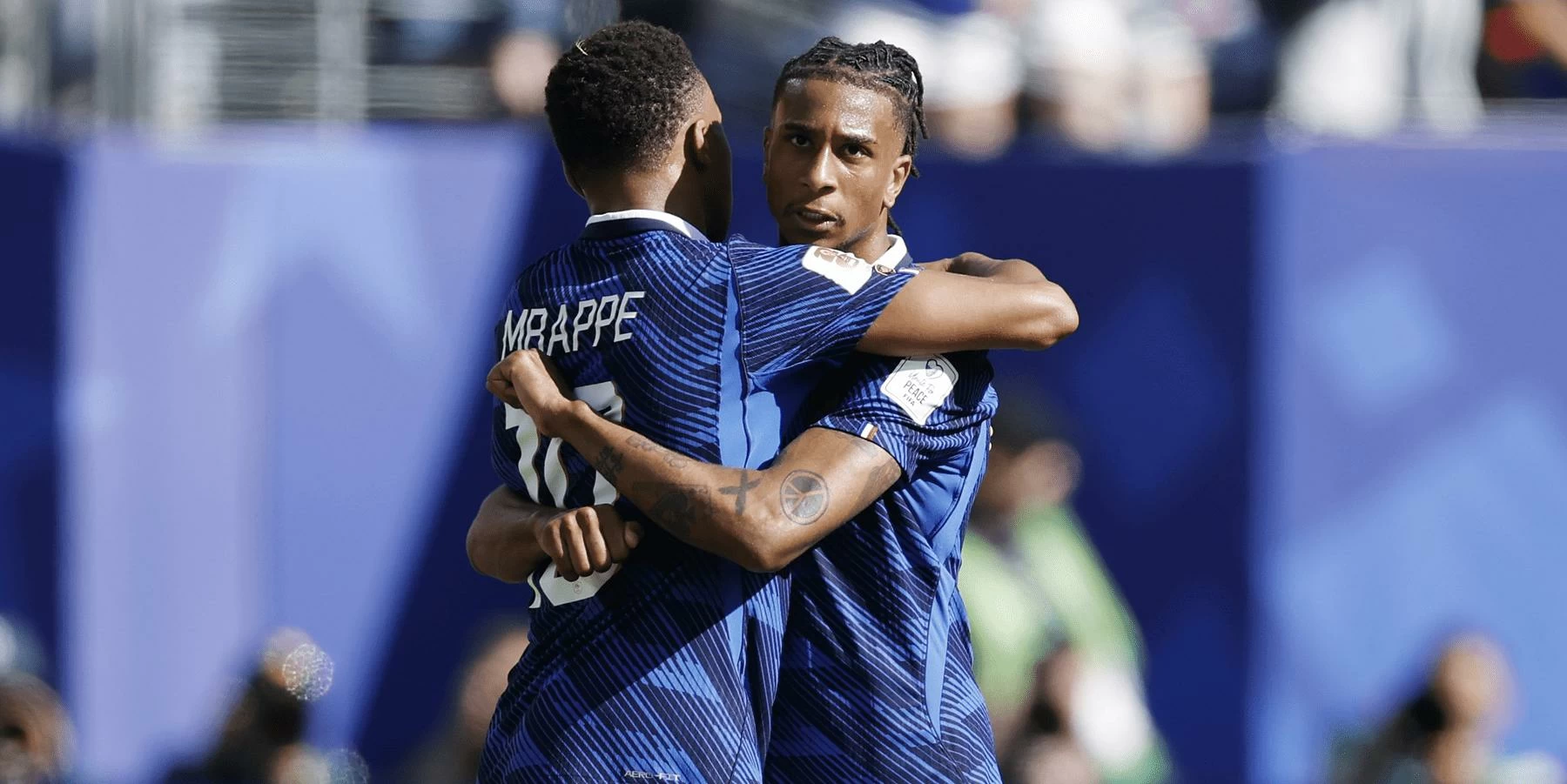
قدمت فرنسا واحداً من أكثر العروض المتباينة في الجولة الافتتاحية لكأس العالم 2026، إذ انتقلت من شوط أول عقيم هجومياً إلى انتصار مقنع على السنغال بنتيجة 3-1، وكان مايكل أوليسيه القاسم المشترك في هذا التحول.
وكشفت أرقام «أوبتا» حجم المعاناة الفرنسية قبل الاستراحة؛ إذ اكتفى منتخب «الديوك» بتسديدة واحدة فقط خلال الشوط الأول، في أسوأ حصيلة هجومية له خلال شوط أول من مباراة في دور المجموعات بكأس العالم منذ بدء تسجيل هذه الإحصائية عام 1966. كما لم تتجاوز قيمة الفرص التي صنعها المنتخب 0.02 هدف متوقع، في مؤشر واضح إلى العجز عن اختراق التنظيم الدفاعي السنغالي.
لكن الصورة تغيرت جذرياً بعد إعادة تمركز أوليسيه في مركز أكثر حرية خلف كيليان مبابي. فخلال الشوط الثاني فقط، سددت فرنسا 10 مرات بإجمالي 1.87 هدف متوقع، بينما تحول لاعب بايرن ميونيخ إلى المحرك الرئيسي للهجمات الفرنسية.
وكان أوليسيه أكثر لاعبي فرنسا تمريراً في الثلث الهجومي بـ27 تمريرة، أي أكثر بـ12 تمريرة من أقرب زملائه، كما بلغت دقة تمريراته في تلك المنطقة 92.6%، وصنع أربع فرص محققة، وهو ضعف ما صنعه أي لاعب آخر في المباراة.
ولم تتوقف بصمته عند تمريرة الهدف الأول التي وضعت مبابي في مواجهة المرمى، بل بلغت قيمة الفرص التي صنعها 0.95 تمريرة حاسمة متوقعة (xA)، وهي ثاني أعلى حصيلة بين جميع لاعبي كأس العالم حتى الآن. كما جمع بين الصناعة والتهديد المباشر للمرمى، بعدما سجل 1.35 هدف وتمريرات حاسمة متوقعة من اللعب المفتوح، وهو الرقم الأعلى في البطولة حتى الآن.
ورغم أن مبابي خطف العناوين بثنائيته التاريخية، فإن أرقام المباراة تكشف أن أوليسيه كان اللاعب الذي أعاد تشغيل المنظومة الفرنسية، وصنع التحول الذي قاد المنتخب إلى بداية ناجحة في مشواره المونديالي.
France delivered one of the most contrasting performances in the opening round of the 2026 World Cup, transitioning from a barren first half offensively to a convincing 3-1 victory over Senegal, with Michael Oliseh being the common factor in this transformation.
Opta’s statistics revealed the extent of France’s struggles before the break; the “Les Bleus” managed only one shot during the first half, marking their worst offensive tally in the first half of a World Cup group stage match since the inception of this statistic in 1966. Additionally, the expected goals value of the chances created by the team was just 0.02, clearly indicating their inability to penetrate the Senegalese defensive organization.
However, the picture changed radically after Oliseh repositioned himself in a more free role behind Kylian Mbappé. During the second half alone, France took 10 shots with a total of 1.87 expected goals, while the Bayern Munich player became the main engine of the French attacks.
Oliseh was the most prolific passer for France in the attacking third with 27 passes, which is 12 more than his closest teammates, and his passing accuracy in that area was 92.6%. He created four clear chances, double that of any other player in the match.
His impact did not stop at the assist for the first goal that put Mbappé one-on-one with the goalkeeper; the value of the chances he created was 0.95 expected assists (xA), the second-highest tally among all players in the World Cup so far. He combined playmaking with direct goal threat, having recorded 1.35 expected goals and assists from open play, the highest figure in the tournament to date.
Although Mbappé stole the headlines with his historic brace, the match statistics reveal that Oliseh was the player who reactivated the French system and initiated the transformation that led the team to a successful start in their World Cup journey.