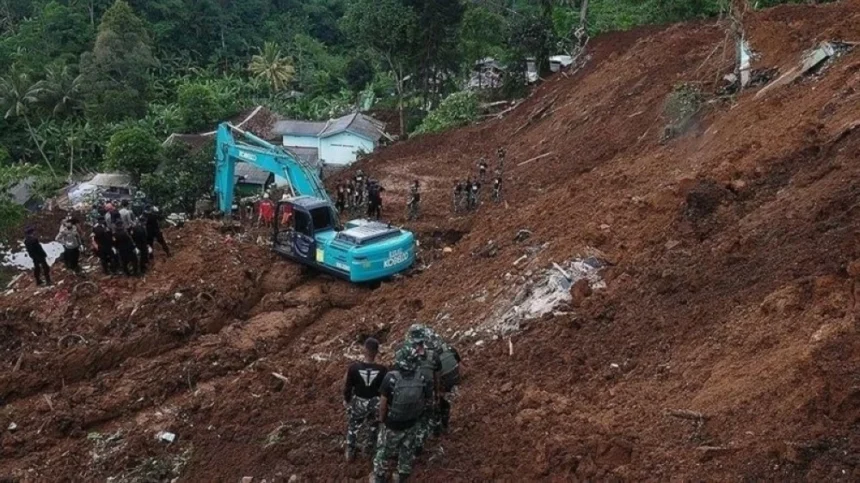
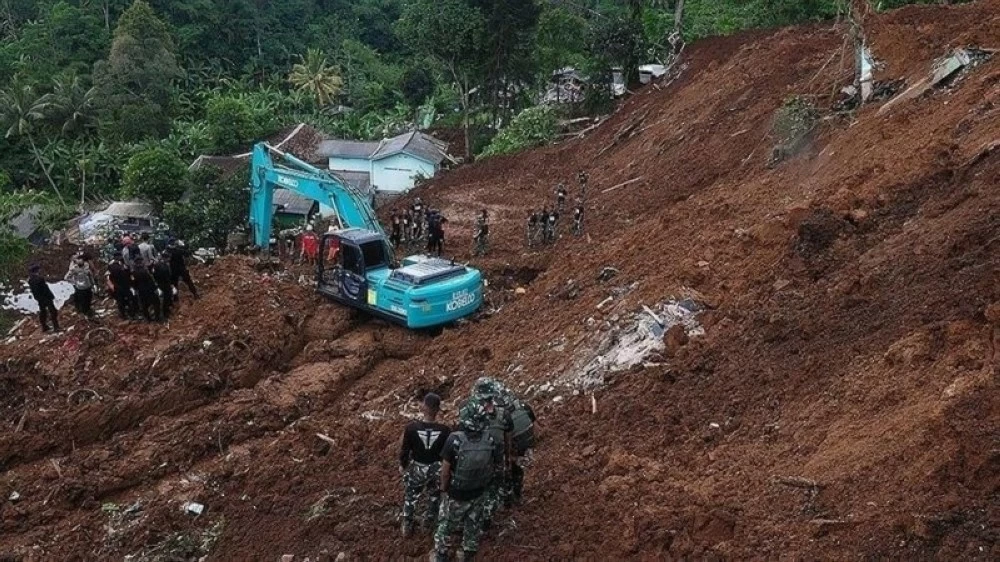
شهدت مقاطعة جاوة الوسطى في إندونيسيا، اليوم (الجمعة)، كارثة طبيعية مأساوية نتيجة انهيارات أرضية عنيفة أدت إلى مقتل 3 أشخاص وفقدان 20، مع إصابة 3 آخرين، وفقاً لتحديثات السلطات المحلية.
وأكدت وكالة الإدارة الوطنية للبحث والإنقاذ أن الأمطار الغزيرة التي انهمرت على مدار عدة أيام في المنطقة تسببت في هذه الكارثة، حيث ألحقت أضراراً جسيمة بعشرات المنازل في 3 قرى بمقاطعة سيلاساب، ما دفع إلى إجلاء مئات السكان وتعبئة فرق الإنقاذ لساعات طويلة وسط الرواسب والوحل.
واندلعت الانهيارات مساء الخميس، حيث غمرت الأمطار مناطق بكميات هائلة تجاوزت 200 ملليمتر في يوم واحد، ما أدى إلى انزلاق التربة والصخور من التلال المحيطة نحو المناطق السكنية.
وأفاد رئيس وحدة الطوارئ في وكالة إدارة الكوارث الإقليمية محمد خومسول بأن «الانهيارات دفنت منازل تحت طبقات من الطين والحجارة، ما جعل عمليات الإنقاذ صعبة بسبب الرياح القوية والدخان الناتج عن الغبار».
وتمكنت فرق الإنقاذ حتى مساء الجمعة من انتشال 3 جثث، بينما يستمر البحث عن 20 شخصاً آخرين، معظم الضحايا من العائلات الريفية الفقيرة التي تعتمد على الزراعة.
وتُعد جاوة أكبر جزر إندونيسيا وأكثرها سكاناً، وهي منطقة عرضة للكوارث الطبيعية بسبب تضاريسها الجبلية والبركانية، إضافة إلى موقعها في «حزام النار» الهادئ، حيث يسبب الموسم السنوي للأمطار، الذي يمتد من أكتوبر إلى مارس، عادةً فيضانات وانهيارات أرضية، لكن تغير المناخ أدى إلى تفاقم الوضع، مع زيادة شدة الأمطار بنسبة 20% في السنوات الأخيرة، وفقاً لوكالة الأرصاد الجوية الإندونيسية.
وفي يناير 2025، أودت فيضانات وانهيارات مماثلة في جاوة الوسطى بحياة أكثر من 20 شخصاً، ما دفع الحكومة إلى إطلاق حملة «الإنذار المبكر» للكوارث، لكن التحديات اللوجستية في المناطق النائية تعيق التنفيذ، كما أسفرت كارثة في بابوا الأسبوع الماضي عن مقتل 15 شخصاً، ما يرفع إجمالي الضحايا من الكوارث الموسمية هذا العام إلى أكثر من 500.
Central Java in Indonesia witnessed a tragic natural disaster today (Friday) due to violent landslides that resulted in the death of 3 people and the disappearance of 20, with 3 others injured, according to updates from local authorities.
The National Search and Rescue Agency confirmed that the heavy rains that poured over several days in the area caused this disaster, inflicting severe damage to dozens of homes in 3 villages in the Cilacap district, prompting the evacuation of hundreds of residents and the mobilization of rescue teams for long hours amid debris and mud.
The landslides erupted on Thursday evening, as the rains inundated areas with massive amounts exceeding 200 millimeters in a single day, leading to the sliding of soil and rocks from the surrounding hills into residential areas.
The head of the emergency unit at the regional disaster management agency, Mohammad Khomsul, reported that “the landslides buried homes under layers of mud and stones, making rescue operations difficult due to strong winds and smoke from the dust.”
By Friday evening, rescue teams had managed to recover 3 bodies, while the search for 20 other individuals continues, most of the victims being from poor rural families dependent on agriculture.
Java is the largest and most populous island in Indonesia, and it is an area prone to natural disasters due to its mountainous and volcanic terrain, in addition to its location in the Pacific “Ring of Fire,” where the annual rainy season, which lasts from October to March, typically causes floods and landslides. However, climate change has exacerbated the situation, with rainfall intensity increasing by 20% in recent years, according to the Indonesian Meteorology Agency.
In January 2025, similar floods and landslides in Central Java claimed the lives of more than 20 people, prompting the government to launch a “disaster early warning” campaign, but logistical challenges in remote areas hinder implementation. Additionally, a disaster in Papua last week resulted in the deaths of 15 people, raising the total number of victims from seasonal disasters this year to over 500.