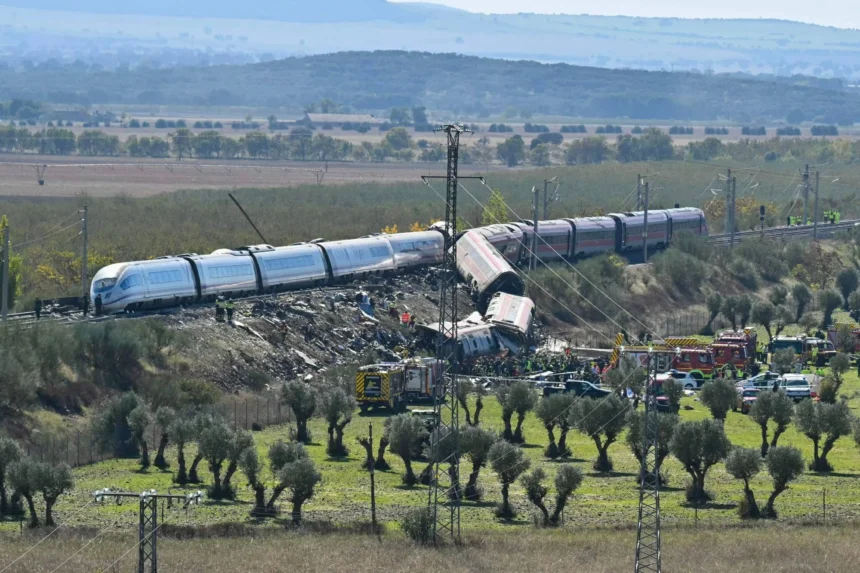
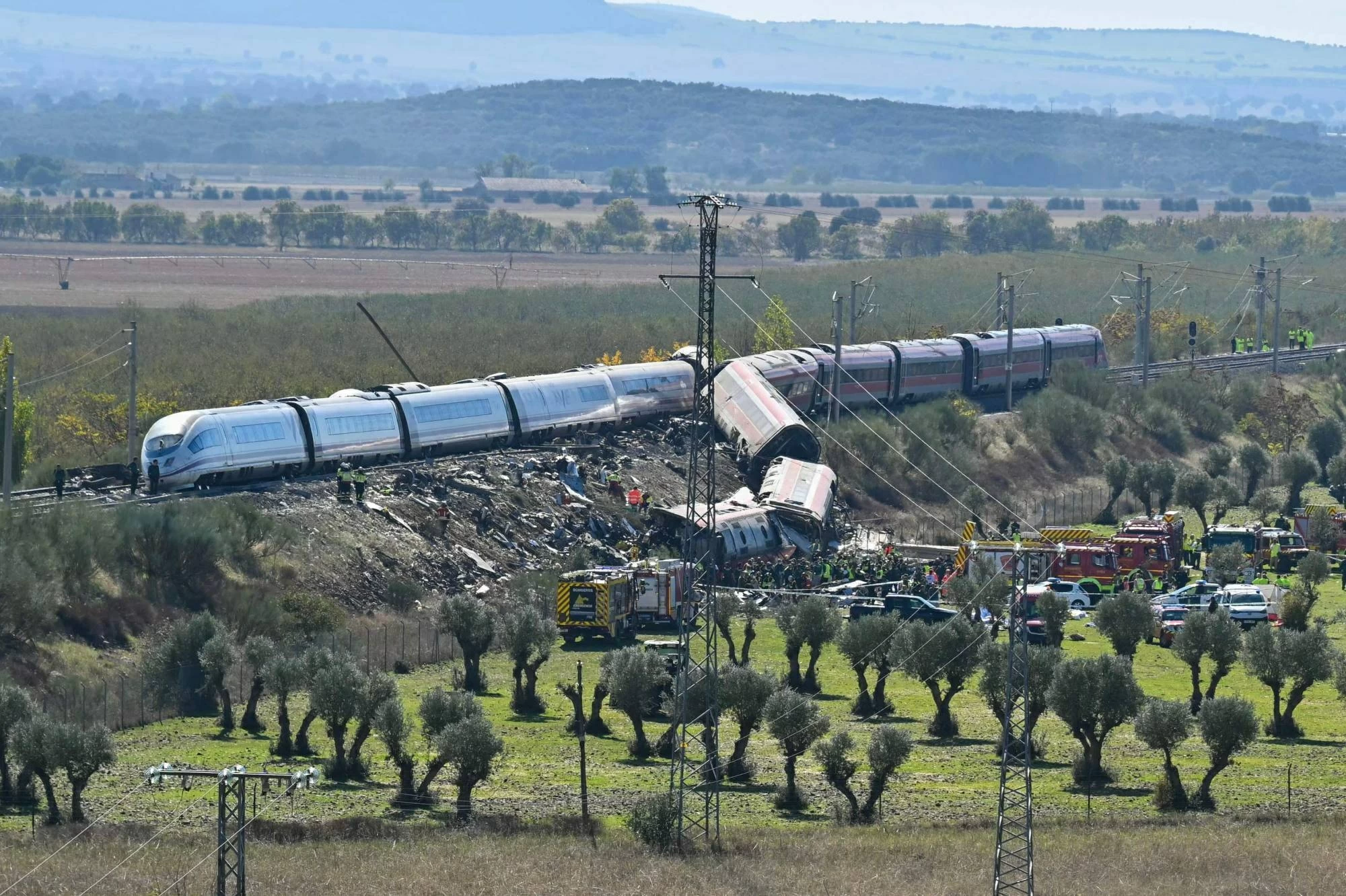
لم يكن تصادم قطارين فائقي السرعة في إسبانيا مجرد حادث مأساوي أودى بحياة العشرات، بل فتح باب التساؤلات حول كفاءة أنظمة السلامة، وكيف فشلت إجراءات الحماية في منع قطارين من الاصطدام، وسط مؤشرات على أن الكارثة قد تكون نتيجة سلسلة من الأعطال الفنية والأخطاء التشغيلية، وليس خطأً بشريًا منفردًا.
وبحسب تقرير لصحيفة «ذا تايمز» البريطانية، وقع الحادث بالقرب من مدينة طليطلة، عندما اصطدم قطار تابع لشركة «رينفي» بآخر تابع لشركة «إيريو» كان متوقفًا على المسار نفسه، عقب عطل في نظام الإشارات والتحكم.
وأشارت تسجيلات صوتية متداولة إلى أن مركز المراقبة سمح لأحد القطارين باستئناف رحلته رغم استمرار توقف الآخر أمامه، فيما كان القطار المتحرك يسير بسرعة قاربت 200 كيلومتر في الساعة، ما ضاعف قوة الاصطدام وحجم الخسائر.
خلل في المنظومة أم خطأ بشري؟
يرى التقرير أن تحميل موظف المراقبة وحده مسؤولية الحادث لا يقدم تفسيرًا كافيًا، إذ يفترض أن تحول أنظمة الحماية دون وقوع التصادم حتى في حال صدور تعليمات خاطئة.
وتشمل التحقيقات أسباب تعطل الإشارات، وكفاءة إجراءات الطوارئ والتواصل بين السائقين ومراكز التحكم، إلى جانب احتمالات القصور في الصيانة والاستثمار. وأشار تقرير أولي للمحققين إلى سلسلة من الأعطال والإجراءات التي سبقت الحادث، مؤكدًا أن تحديد المسؤوليات لا يزال سابقًا لأوانه.
وفي سياق متصل، أعلنت السلطات الإسبانية أن الحادث أسفر عن مقتل 69 شخصًا، بينهم 12 أجنبيًا، من بينهم 4 أمريكيين وفرنسي وكندي، إضافة إلى ضحايا من جنسيات يابانية وتونسية وبرتغالية ومكسيكية وتشيكية وأرجنتينية.
وأكدت السلطات التعرف على هويات 66 ضحية، بينهم 54 إسبانيًا، فيما تتواصل التحقيقات لكشف ملابسات الكارثة وتحديد أسباب إخفاق أنظمة السلامة في منع التصادم.
The collision of two high-speed trains in Spain was not just a tragic accident that claimed dozens of lives, but it opened the door to questions about the efficiency of safety systems, and how protective measures failed to prevent two trains from colliding, amid indications that the disaster may be the result of a series of technical malfunctions and operational errors, rather than a single human error.
According to a report by the British newspaper “The Times,” the incident occurred near the city of Toledo, when a train belonging to the “Renfe” company collided with another train from the “Irio” company that was stopped on the same track, following a failure in the signaling and control system.
Audio recordings circulating indicated that the control center allowed one of the trains to resume its journey despite the other remaining stopped in front of it, while the moving train was traveling at a speed of nearly 200 kilometers per hour, which multiplied the force of the collision and the extent of the losses.
System malfunction or human error?
The report suggests that placing the blame solely on the monitoring employee does not provide a sufficient explanation, as the protective systems are supposed to prevent collisions even in the event of incorrect instructions being issued.
The investigations include the reasons for the signal failures, the efficiency of emergency procedures, and communication between drivers and control centers, along with potential shortcomings in maintenance and investment. An initial report from investigators indicated a series of malfunctions and procedures that preceded the incident, emphasizing that determining responsibilities is still premature.
In a related context, Spanish authorities announced that the accident resulted in the deaths of 69 people, including 12 foreigners, among them 4 Americans, a French national, and a Canadian, in addition to victims of Japanese, Tunisian, Portuguese, Mexican, Czech, and Argentine nationalities.
Authorities confirmed the identification of 66 victims, including 54 Spaniards, while investigations continue to uncover the circumstances of the disaster and determine the reasons for the failure of safety systems to prevent the collision.