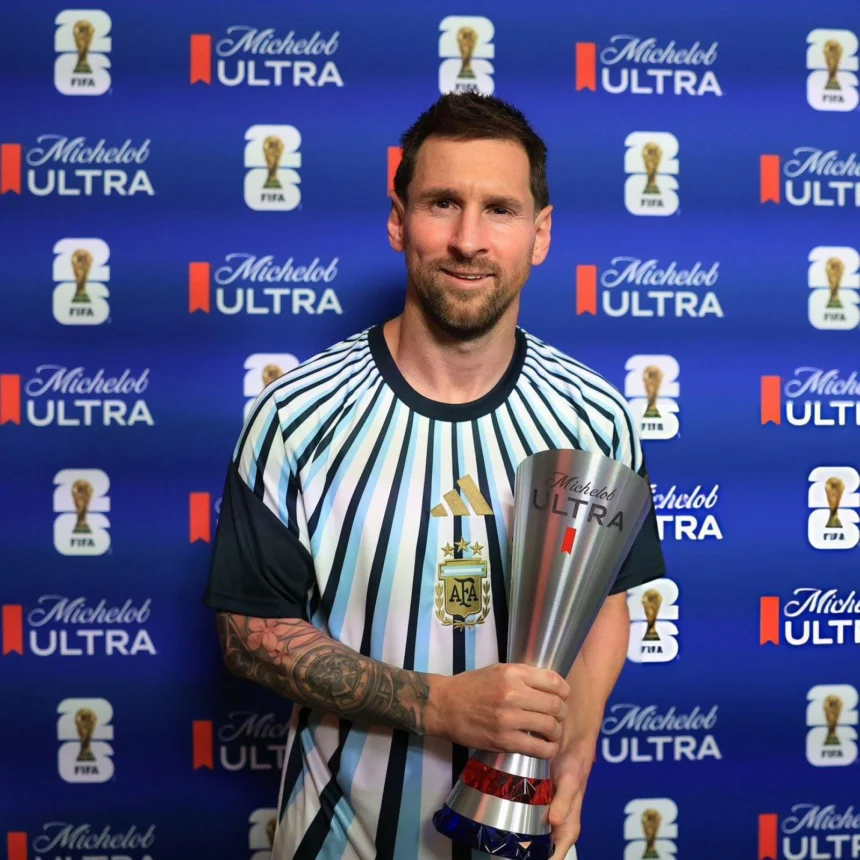
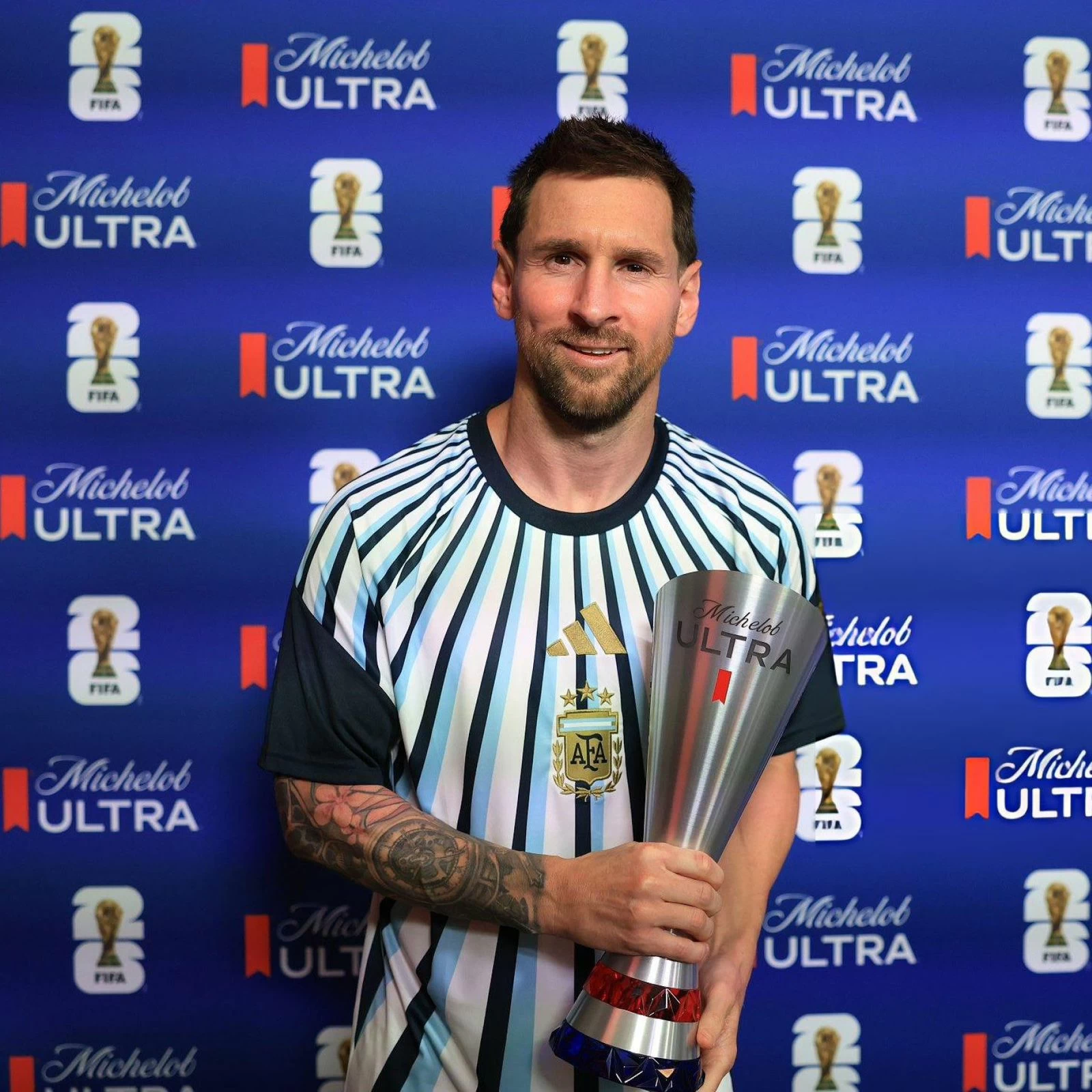
منذ أن لامست قدما ليونيل ميسي الكرة للمرة الأولى، بدا وكأن بينهما علاقة تتجاوز حدود اللعبة واللاعب. علاقة يصعب تفسيرها بالكلمات، حتى بات السؤال مشروعاً: هل أحب ميسي كرة القدم أكثر، أم أن كرة القدم هي التي اختارت ميسي لتمنحه ما لم تمنحه لأحد غيره؟
في افتتاح مشوار المنتخب الأرجنتيني بكأس العالم 2026 أمام الجزائر، عاد هذا السؤال ليطفو من جديد. لم يكن المشهد مجرد مباراة انتهت بثلاثية نظيفة، بل كان فصلاً جديداً من حكاية طويلة بين الساحر الأرجنتيني واللعبة التي صنعت مجده وصنع جزءاً من تاريخها. فقد قاد ميسي منتخب بلاده إلى الفوز بثلاثة أهداف دون رد، مسجلاً الأهداف الثلاثة جميعها «هاتريك» في ليلة كروية أكدت أن الزمن قد يمر، لكن بعض العشّاق لا يشيخون.
في المدرجات كانت الأعين تترقب كل لمسة، وكل تمريرة، وكل انطلاقة. حضور ميسي لم يكن مجرد وجود قائد داخل الملعب، بل كان حضور قصة كاملة تمشي على العشب الأخضر. وحين هز الشباك للمرة الأولى، ثم الثانية، ثم الثالثة، بدا وكأن الكرة نفسها تحتفل بصديقها القديم الذي ما زال يمنحها الحياة والجمال.
الأرجنتين خرجت بانتصار مهم في بداية رحلة الدفاع عن لقبها، لكن الحديث بعد صافرة النهاية لم يكن عن النقاط الثلاث فقط، بل عن رجل تجاوز الثامنة والثلاثين وما زال قادراً على إشعال المدرجات وإلهام الملايين حول العالم.
لهذا، يبقى الجدل قائماً: هل أحب ميسي كرة القدم أكثر؟ أم أن كرة القدم أحبته إلى الحد الذي جعلها تكتب أجمل فصولها باسمه؟ ربما لن نجد إجابة حاسمة، لكن المؤكد أن العلاقة بينهما أصبحت واحدة من أعظم قصص الوفاء في تاريخ الرياضة.
Since Lionel Messi first touched the ball, it seemed as if there was a relationship between them that transcended the boundaries of the game and the player. A relationship that is difficult to explain in words, leading to the legitimate question: Did Messi love football more, or did football choose Messi to give him what it never gave to anyone else?
In the opening match of the Argentine national team in the 2026 World Cup against Algeria, this question resurfaced once again. The scene was not just a match that ended with a clean three-goal victory, but rather a new chapter in a long story between the Argentine magician and the game that created his glory and became part of its history. Messi led his country to victory with three goals to none, scoring all three goals in a “hat-trick” on a football night that confirmed that time may pass, but some lovers never grow old.
In the stands, eyes were watching every touch, every pass, and every sprint. Messi’s presence was not just that of a captain on the field, but rather the presence of a complete story walking on the green grass. And when he shook the net for the first time, then the second, and then the third, it seemed as if the ball itself was celebrating with its old friend who still gives it life and beauty.
Argentina emerged with an important victory at the beginning of its journey to defend its title, but the talk after the final whistle was not just about the three points, but about a man who has surpassed thirty-eight and is still capable of igniting the stands and inspiring millions around the world.
Thus, the debate remains: Did Messi love football more? Or did football love him to the extent that it wrote its most beautiful chapters in his name? Perhaps we will not find a definitive answer, but what is certain is that the relationship between them has become one of the greatest stories of loyalty in the history of sports.