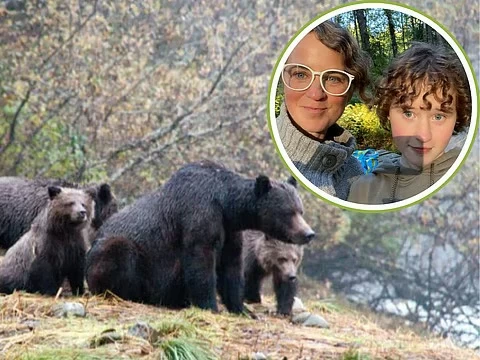
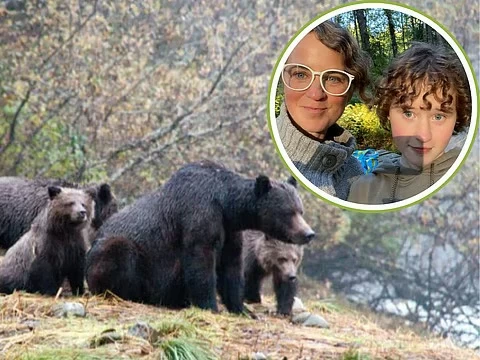
كشفت السلطات المعنية بالحياة البرية في كندا عن مسؤولية أربعة دببة من فصيلة «الغريزلي» عن مقتل أم وابنتها البالغة من العمر 20 عاماً، خلال هجوم وقع في وقت سابق من الشهر الجاري غربي البلاد، وسط ترجيحات بأن الحادث كان هجوماً افتراسياً نادراً.
وأعلنت هيئة مسؤولي الحفاظ على البيئة في مقاطعة كولومبيا البريطانية، مساء (الثلاثاء)، أن نتائج فحوصات الحمض النووي (DNA) أكدت بشكل قاطع تورط أنثى دب غريزلي وثلاثة من صغارها، التي تبلغ أعمارها نحو عام واحد، في مقتل جيني بالكراس، البالغة من العمر 48 عاماً، وابنتها سيلاه ريد، البالغة 20 عاماً.
وقررت السلطات القضاء على الدببة الأربعة، مؤكدة أن هذه الخطوة جاءت بهدف حماية السكان ومنع تكرار مثل هذه الهجمات.
وقال المفتش جيف تاير، خلال إحاطة إعلامية عبر الإنترنت، إن التحقيقات أظهرت أن الهجوم يُرجح أنه اتخذ طابعاً افتراسياً، واصفاً هذا النوع من السلوك بأنه نادر للغاية، وأضاف: «لا نعرف كيف بدأ الهجوم، لكننا نعرف كيف انتهى».
تفاصيل العثور على جثتي الأم وابنتها
وعُثر على بقايا الضحيتين بالقرب من أحد المسارات خارج بلدة بيلا كولا، وهي منطقة نائية تقع على بُعد نحو ألف كيلومتر شمال مدينة فانكوفر الكندية.
وجرى العثور على بقايا الأم وابنتها على مسافة تقدر بنحو 150 متراً من بعضهما البعض، بعدما أبلغ أفراد الأسرة عن اختفاء الابنة عقب تخلفها عن إجراء مكالمة هاتفية روتينية مع شقيقتها مساء السبت.
وبدأت فرق البحث عمليات التمشيط، لتتمكن أولاً من العثور على بقايا الأم، قبل أن تعثر لاحقاً على بقايا الابنة داخل ما يُعرف بـ«مخبأ الدببة»، وهو مكان تستخدمه هذه الحيوانات لتخزين الطعام.
هجوم جديد يعيد مخاوف السكان
وأكد المفتش جيف تاير أن الدببة الأربعة التي جرى تحديدها باعتبارها مسؤولة عن الحادث الأخير، لم تكن متورطة في هجوم منفصل وقع خلال نوفمبر الماضي بالمنطقة ذاتها، واستهدف مجموعة تضم نحو 20 تلميذاً من طلاب المرحلة الابتدائية ومعلميهم.
وأسفر الهجوم السابق عن إصابة 11 شخصاً، بينهم اثنان تعرضا لإصابات بالغة الخطورة.
وأثارت الواقعة الأخيرة حالة من الصدمة والقلق داخل مجتمع «أمة نوكسالك» (Nuxalk Nation)، الذي لا يزال يحاول التعافي من تداعيات الهجوم السابق.
وفرضت السلطات المحلية حظر تجول طوعياً، كما وفرت مرافقة أمنية للأطفال أثناء توجههم إلى المدارس، في إطار الإجراءات الاحترازية الرامية إلى حماية السكان.
وقال تلهيمتيموت صامويل شونر، رئيس المجلس المنتخب لأمة نوكسالك، إن الهجوم الأخير أعاد إلى أذهان أفراد المجتمع الصدمة النفسية المرتبطة بالحادث السابق، مضيفاً أن خدمات الدعم والمساندة المجتمعية ستظل متاحة طالما دعت الحاجة إلى ذلك.
اماذا قررت السلطات القضاء على الدببة؟
وفي تفسير قرار التخلص من الدببة الأربعة، أوضح المفتش تاير أن الحيوانات المتورطة في هجمات قاتلة لا يمكن إعادة تأهيلها أو نقلها إلى مناطق أخرى، نظراً لما تمثله من خطر بالغ على السلامة العامة.
وأكد أن التعامل مع هذه الحيوانات يأتي في إطار الإجراءات الضرورية لتجنب وقوع هجمات جديدة وحماية أرواح السكان، خصوصاً في المجتمعات القريبة من موائل الحياة البرية.
The wildlife authorities in Canada revealed that four grizzly bears were responsible for the death of a mother and her 20-year-old daughter during an attack that occurred earlier this month in the western part of the country, amid indications that the incident was a rare predatory attack.
The British Columbia Environmental Conservation Authority announced on Tuesday evening that DNA tests conclusively confirmed the involvement of a female grizzly bear and three of her cubs, which are about one year old, in the deaths of 48-year-old Jenny Balkras and her 20-year-old daughter, Selah Reed.
The authorities decided to eliminate the four bears, emphasizing that this step was taken to protect the community and prevent the recurrence of such attacks.
Inspector Jeff Tyre stated during an online briefing that investigations showed the attack was likely predatory in nature, describing this type of behavior as extremely rare, and added, “We do not know how the attack started, but we know how it ended.”
Details of the discovery of the mother and daughter’s bodies
The remains of the victims were found near a trail outside the town of Bella Coola, a remote area located about a thousand kilometers north of Vancouver, Canada.
The remains of the mother and daughter were found approximately 150 meters apart after family members reported the daughter’s disappearance when she failed to make a routine phone call to her sister on Saturday evening.
Search teams began combing the area, first locating the mother’s remains, before later finding the daughter’s remains inside what is known as a “bear cache,” a place used by these animals to store food.
A new attack raises concerns among residents
Inspector Jeff Tyre confirmed that the four bears identified as responsible for the recent incident were not involved in a separate attack that occurred in November in the same area, which targeted a group of about 20 elementary school students and their teachers.
The previous attack resulted in injuries to 11 people, including two who sustained life-threatening injuries.
The recent incident has caused shock and anxiety within the Nuxalk Nation community, which is still trying to recover from the repercussions of the previous attack.
Local authorities imposed a voluntary curfew and provided security escorts for children as they headed to school, as part of precautionary measures aimed at protecting the community.
Samuel Shoner, the elected chief of the Nuxalk Nation, stated that the recent attack has brought back the psychological trauma associated with the previous incident, adding that support and community assistance services will remain available as long as needed.
Why did the authorities decide to eliminate the bears?
In explaining the decision to dispose of the four bears, Inspector Tyre clarified that animals involved in fatal attacks cannot be rehabilitated or relocated to other areas due to the serious threat they pose to public safety.
He confirmed that dealing with these animals is part of the necessary measures to prevent new attacks and protect the lives of residents, especially in communities close to wildlife habitats.