


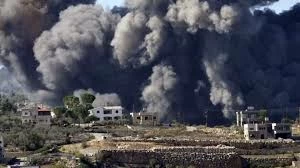
رغم تمديد الهدنة التي جرى التوصل إليها بوساطة أمريكية عقب جولة جديدة من المحادثات في واشنطن، واصلت إسرائيل انتهاك وقف إطلاق النار، وشنت غارات جديدة على جنوب لبنان وشرقه.
تصعيد وأزمة داخلية خانقة
وحسب مراقبين، فإن فرص التهدئة تبدو أكثر تعقيدًا مع استمرار تعثر المفاوضات ورفض حزب الله أي مقاربة تمس سلاحه أو دوره العسكري، الأمر الذي يبقي لبنان عالقًا في دائرة تصعيد وأزمة داخلية خانقة.
وأفادت الوكالة الوطنية للإعلام الرسمية اللبنانية، اليوم (الأحد)، بأن غارتين إسرائيليتين استهدفتا بلدة سحمر في منطقة البقاع شرقي البلاد، وطالت غارات أخرى بلدات في منطقتي النبطية وصور جنوبًا.
وتركزت الضربات على مناطق يُعتقد أن حزب الله يستخدمها في أنشطة لوجستية أو عسكرية، في وقت يواصل الجيش الإسرائيلي تنفيذ هجمات يقول إنها تستهدف مواقع وبنى تحتية تابعة للحزب.
وجاء التصعيد بعد أقل من يومين على إعلان الولايات المتحدة، الجمعة، تمديد وقف إطلاق النار الذي دخل حيز التنفيذ في 17 أبريل الماضي، عقب جولة جديدة من المحادثات بين لبنان وإسرائيل في واشنطن.
مفاوضات شائكة وعقبات متزايدة
وتعد هذه المحادثات الأولى من نوعها منذ عقود بين لبنان وإسرائيل، في ظل جهود أمريكية ودولية لمنع توسع المواجهة على الحدود الجنوبية للبنان وتحويل الهدنة المؤقتة إلى ترتيبات أمنية أكثر استقرارًا.
وتواجه المفاوضات عقبات متزايدة، في ظل تمسك حزب الله بسلاحه ورفضه أي مقترحات تتعلق بتقليص نفوذه العسكري أو إعادة ترتيب الوضع الأمني في الجنوب بعيدًا عن حضوره المباشر.
واعتبر النائب عن حزب الله حسين الحاج حسن أن المفاوضات «وصلت إلى طريق مسدود»، وأن بعض الطروحات «لن تؤدي إلى نتائج واضحة».
مأساة إنسانية متفاقمة
في المقابل، يواصل حزب الله الإعلان عن تنفيذ عمليات ضد الجيش الإسرائيلي في جنوب لبنان وداخل إسرائيل.
وتتخوف أوساط لبنانية أن يؤدي استمرار التوتر إلى جر لبنان نحو مواجهة أوسع، في ظل هشاشة الوضع الداخلي وتراجع قدرة مؤسسات الدولة على احتواء التداعيات الأمنية والاقتصادية للحرب.
وتسببت المواجهات بين إسرائيل وحزب الله منذ اندلاع الحرب في الثاني من مارس في مقتل أكثر من 2900 شخص في لبنان، بينهم أكثر من 400 شخص منذ دخول الهدنة حيز التنفيذ، وفق السلطات اللبنانية. وأدت الحرب إلى نزوح أكثر من مليون شخص من مناطق مختلفة في البلاد، إضافة إلى أضرار واسعة في البنية التحتية والمنازل والمرافق الحيوية، خصوصًا في جنوب لبنان.
Despite the extension of the ceasefire reached through American mediation following a new round of talks in Washington, Israel continued to violate the ceasefire, launching new airstrikes on southern and eastern Lebanon.
Escalation and a suffocating internal crisis
According to observers, the chances for de-escalation seem more complicated as negotiations remain stalled and Hezbollah rejects any approach that touches on its weapons or military role, keeping Lebanon trapped in a cycle of escalation and a suffocating internal crisis.
The Lebanese National News Agency reported today (Sunday) that two Israeli airstrikes targeted the town of Sahmar in the Bekaa region of eastern Lebanon, with other strikes hitting towns in the Nabatieh and Tyre regions to the south.
The strikes focused on areas believed to be used by Hezbollah for logistical or military activities, while the Israeli army continues to carry out attacks it claims target the party’s sites and infrastructure.
The escalation came less than two days after the United States announced on Friday the extension of the ceasefire that took effect on April 17, following a new round of talks between Lebanon and Israel in Washington.
Complex negotiations and increasing obstacles
This is the first such negotiation in decades between Lebanon and Israel, amid American and international efforts to prevent the expansion of the confrontation on Lebanon’s southern border and to transform the temporary ceasefire into more stable security arrangements.
The negotiations face increasing obstacles, as Hezbollah insists on its weapons and rejects any proposals related to reducing its military influence or rearranging the security situation in the south away from its direct presence.
Hezbollah MP Hussein al-Haj Hassan stated that the negotiations have “reached a dead end,” and that some proposals “will not lead to clear results.”
Escalating humanitarian tragedy
Meanwhile, Hezbollah continues to announce operations against the Israeli army in southern Lebanon and inside Israel.
Lebanese circles fear that the continuation of tensions could drag Lebanon into a wider confrontation, given the fragility of the internal situation and the diminishing capacity of state institutions to contain the security and economic repercussions of the war.
The confrontations between Israel and Hezbollah since the outbreak of the war on March 2 have resulted in the deaths of more than 2,900 people in Lebanon, including over 400 since the ceasefire took effect, according to Lebanese authorities. The war has led to the displacement of more than a million people from various areas of the country, in addition to extensive damage to infrastructure, homes, and vital facilities, especially in southern Lebanon.