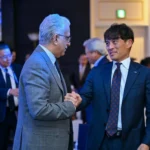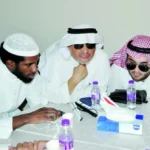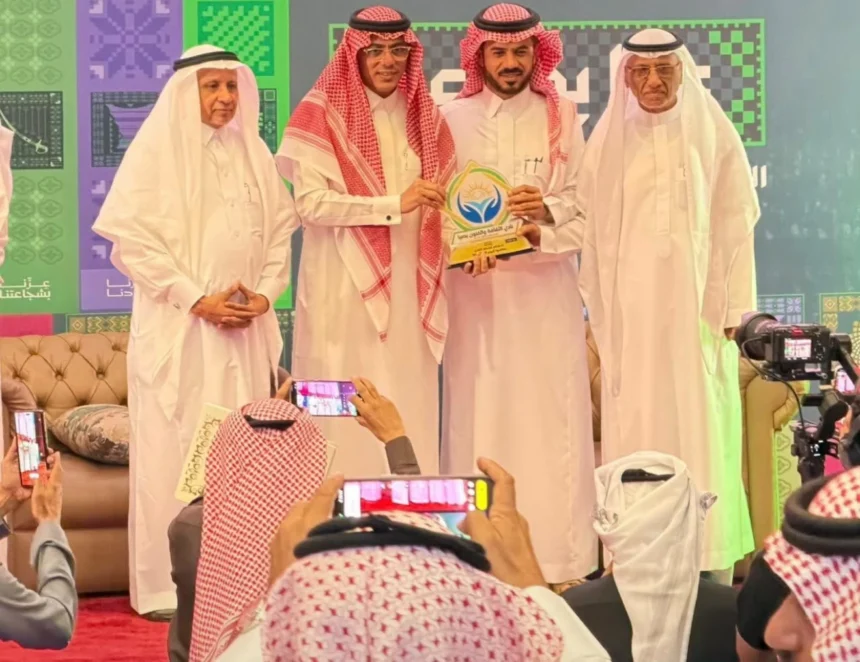
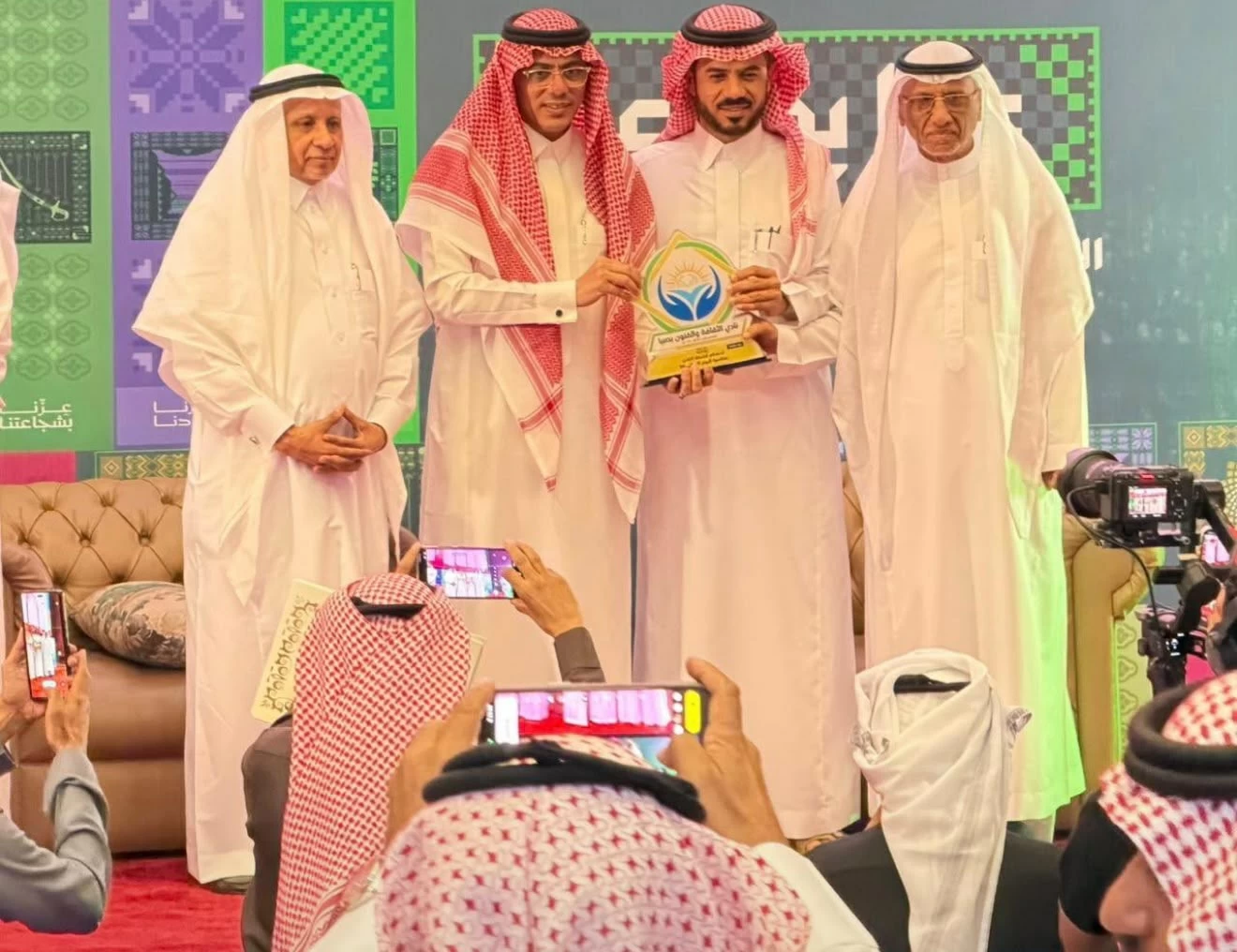
نظّم نادي الثقافة والفنون بصبيا، لقاءً حواريًا بعنوان «تطور الأدب والتعليم في منطقة جازان في العهد السعودي»، ضمن برامجه الثقافية المعنية بتاريخ المنطقة وأدبها، بمشاركة عضو مجلس الشورى الدكتور حسن بن حجاب الحازمي، والأمين العام لجائزة جازان للتفوق والإبداع الدكتور إبراهيم بن محمد أبو هادي.
وتناول اللقاء البدايات التي انطلق منها التعليم النظامي في المنطقة، والتحول من أنماط التعلم التقليدية إلى التعليم المؤسسي، وما رافق ذلك من توسع في المدارس والمراحل التعليمية.
واستعرض المشاركان محطات من هذه المسيرة، بدءًا بافتتاح أول مدرسة ابتدائية في جازان عام 1355هـ، وما مثّله اتساع التعليم من تغير في فرص التعلم ومساراته، وصولًا إلى 2,618 مدرسة في العام الحالي، يدرس بها أكثر من 364 ألف طالب وطالبة، ويتولى تعليمهم أكثر من 30 ألف معلم ومعلمة، كما تناولا تطور التعليم الجامعي، وصولًا إلى إنشاء جامعة جازان عام 1426هـ، ودورها في إتاحة فرص التعليم الجامعي وتعزيز مسارات البحث العلمي.
وتطرق الحوار إلى أثر انتشار التعليم في المجتمع، وما أتاحه من تنامي المعرفة وظهور أجيال متعلمة أسهمت في نقل الخبرات وتعزيز حضور الثقافة في مدن المنطقة ومحافظاتها، كما تناول دور المؤسسات التعليمية في تهيئة بيئة أوسع للبحث والكتابة، ورفد الحياة العامة بالكفاءات والمعارف.
وفي الجانب الأدبي، تناول اللقاء الجذور القديمة للحركة العلمية والأدبية في جازان، ودور الكتاتيب والمساجد وبيوت العلماء في نشر العلم وتداول المعرفة، متتبعًا امتداد هذه الحركة وتطورها في العهد السعودي، وما شهده من اتساع حضورها في مدن المنطقة وازدهار الحياة العلمية وبروز العلماء والأدباء، إلى جانب تطور التأليف والتدوين والسمات التي ميّزت النتاج الأدبي المحلي.
وأكد اللقاء أهمية توثيق هذه المسيرة بما تحمله من شواهد على التحولات التعليمية والثقافية في المنطقة، وربط الأجيال بتاريخها الأدبي والتعليمي، وإبراز ما أسهمت به تلك التحولات في تشكيل المشهد الثقافي في جازان.
The Culture and Arts Club in Sabya organized a dialogue meeting titled “The Evolution of Literature and Education in the Jazan Region during the Saudi Era,” as part of its cultural programs concerned with the history and literature of the region, with the participation of Shura Council member Dr. Hassan bin Hijab Al-Hazmi and the Secretary-General of the Jazan Award for Excellence and Creativity, Dr. Ibrahim bin Mohammed Abu Hadi.
The meeting discussed the beginnings of formal education in the region, the shift from traditional learning methods to institutional education, and the accompanying expansion of schools and educational stages.
The participants reviewed milestones from this journey, starting with the opening of the first primary school in Jazan in 1355 AH, and what the expansion of education represented in terms of changes in learning opportunities and pathways, reaching 2,618 schools in the current year, where more than 364,000 male and female students are studying, taught by more than 30,000 male and female teachers. They also discussed the development of higher education, culminating in the establishment of Jazan University in 1426 AH, and its role in providing opportunities for higher education and enhancing research pathways.
The dialogue touched on the impact of the spread of education in society, what it has allowed in terms of the growth of knowledge, and the emergence of educated generations that contributed to the transfer of experiences and the enhancement of cultural presence in the cities and governorates of the region. It also addressed the role of educational institutions in preparing a broader environment for research and writing, enriching public life with competencies and knowledge.
On the literary side, the meeting discussed the ancient roots of the scientific and literary movement in Jazan, the role of kuttabs, mosques, and the homes of scholars in spreading knowledge and circulating information, tracing the extension and development of this movement during the Saudi era, and what it witnessed in terms of the expansion of its presence in the cities of the region, the flourishing of scientific life, and the emergence of scholars and writers, alongside the development of authorship and documentation and the characteristics that distinguished local literary output.
The meeting emphasized the importance of documenting this journey, which carries evidence of educational and cultural transformations in the region, linking generations to their literary and educational history, and highlighting what these transformations contributed to shaping the cultural scene in Jazan.