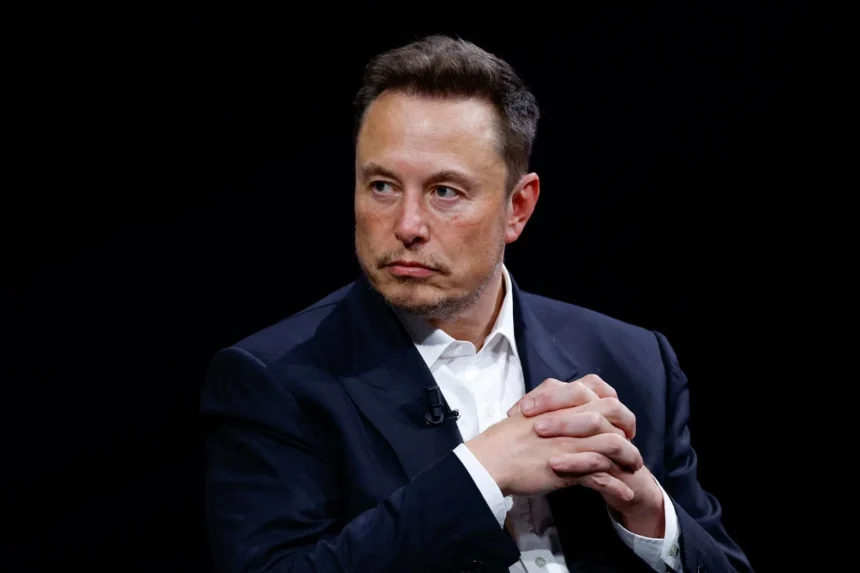
حذّر الملياردير الأمريكي إيلون ماسك من قدرة الذكاء الاصطناعي الفائق على إقناع البشر والتغلب عليهم، معترفاً بأنه قد يكون هو نفسه أحد الذين يقعون تحت تأثيره.
وكتب ماسك، مالك شركة «إكس إيه آي»، في منشور عبر منصة «إكس»، أن «عدداً كبيراً جداً من الناس سيُهزمون فجأة على يد ذكاء فائق شديد القدرة على الإقناع»، مضيفاً: «وربما أكون أنا أحدهم».
ويعيد تصريح ماسك تسليط الضوء على أحد أبرز المخاوف المرتبطة بتطور الذكاء الاصطناعي، إذ لا تقتصر المخاطر المحتملة على تفوق الآلات على البشر في الحساب والتحليل وإنجاز المهام، بل تشمل أيضاً قدرتها على التأثير في قناعاتهم وتوجيه قراراتهم، خصوصاً إذا أصبحت أنظمة الذكاء الاصطناعي أكثر قدرة على فهم السلوك البشري وصياغة رسائل شخصية شديدة الإقناع.
وتكمن إحدى الإشكاليات في أن النظام القادر على إنتاج حجج متماسكة ومقنعة قد يدفع المستخدم إلى الثقة بمعلومات غير دقيقة أو تبني قرارات لا تخدم مصالحه، سواء في المجالات المالية أو السياسية أو الاجتماعية، ومع ذلك، فإن القدرة على الإقناع لا تعني بالضرورة امتلاك النظام وعياً أو نوايا مستقلة، كما أن التأثير الفعلي لهذه الأنظمة يظل مرتبطاً بقدراتها وطريقة استخدامها والضوابط المفروضة عليها.
وتتصاعد الدعوات داخل قطاع التكنولوجيا إلى التعامل بحذر مع تطوير نماذج أكثر تقدماً. وكان داريو أمودي، الرئيس التنفيذي لشركة «أنثروبيك»، قد دعا إلى إبطاء تطوير نماذج الذكاء الاصطناعي الأكثر قوة، محذراً من المخاطر المحتملة التي قد تنشأ إذا سبقت سرعة التطوير قدرة الشركات والحكومات على ضمان سلامة هذه الأنظمة.
ويأتي هذا النقاش في وقت تتنافس فيه شركات التكنولوجيا الكبرى على تطوير أنظمة أكثر قدرة على الاستدلال وتنفيذ المهام والتفاعل مع المستخدمين. ويضع هذا السباق الشركات أمام معادلة صعبة بين تحقيق تقدم تقني سريع وتطوير وسائل فعالة لاختبار الأنظمة ومراقبتها والحد من إساءة استخدامها.
وعلى صعيد التنظيم، أبرمت شركات أمريكية كبرى لتطوير الذكاء الاصطناعي، من بينها «أنثروبيك» و«أوبن إيه آي» و«قوقل» و«ميتا»، اتفاقاً مع البيت الأبيض بشأن تدابير سلامة طوعية، وفق المعلومات الواردة عن الاتفاق. لكن الطابع الطوعي لهذه الالتزامات يثير تساؤلات بشأن آليات التحقق من تنفيذها ومدى كفايتها في مواجهة المخاطر المتطورة.
American billionaire Elon Musk warned about the ability of superintelligent artificial intelligence to persuade and overpower humans, admitting that he himself may be one of those affected by it.
Musk, the owner of “X AI,” wrote in a post on the “X” platform that “a very large number of people will suddenly be defeated by a highly persuasive superintelligence,” adding, “And perhaps I am one of them.”
This statement by Musk highlights one of the main concerns associated with the development of artificial intelligence, as the potential risks are not limited to machines surpassing humans in computation, analysis, and task execution, but also include their ability to influence beliefs and guide decisions, especially if AI systems become more capable of understanding human behavior and crafting highly persuasive personalized messages.
One of the issues is that a system capable of producing coherent and convincing arguments may lead users to trust inaccurate information or adopt decisions that do not serve their interests, whether in financial, political, or social domains. However, the ability to persuade does not necessarily mean that the system possesses awareness or independent intentions, and the actual impact of these systems remains tied to their capabilities, how they are used, and the controls imposed on them.
Calls within the technology sector are increasing for caution in developing more advanced models. Dario Amodei, CEO of “Anthropic,” has called for slowing down the development of more powerful AI models, warning of the potential risks that could arise if the speed of development outpaces the ability of companies and governments to ensure the safety of these systems.
This discussion comes at a time when major tech companies are competing to develop systems that are more capable of reasoning, executing tasks, and interacting with users. This race puts companies in a difficult equation between achieving rapid technological advancement and developing effective means to test, monitor, and mitigate the misuse of these systems.
On the regulatory front, major American companies developing artificial intelligence, including “Anthropic,” “OpenAI,” “Google,” and “Meta,” have reached an agreement with the White House regarding voluntary safety measures, according to information about the agreement. However, the voluntary nature of these commitments raises questions about the mechanisms for verifying their implementation and their adequacy in addressing evolving risks.