تكشف مناورات «بوكر» النووية جانباً من استعدادات فرنسا لتعزيز قدرات الردع، في ظل تصاعد التوتر مع روسيا، واستمرار الحرب في أوكرانيا، وتزايد التساؤلات بشأن مستقبل المظلة الأمنية الأمريكية لأوروبا.
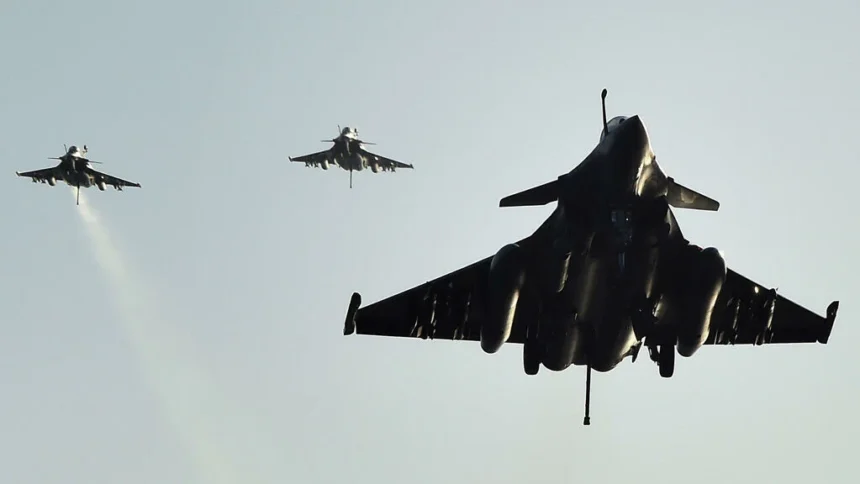
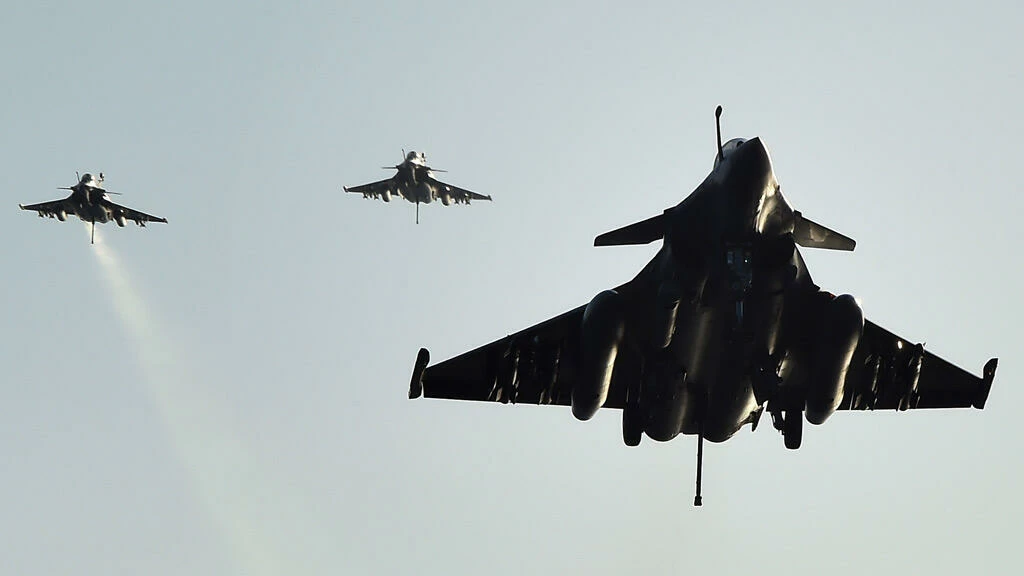
وذكرت مجلة «بوليتيكو»، أن القوات الجوية الفرنسية تنفذ المناورات أربع مرات سنوياً، بمشاركة نحو 50 طائرة عسكرية، لمحاكاة تنفيذ ضربة نووية ضد دولة معادية، مع الاستفادة من دروس الحروب الحديثة لتطوير التكتيكات والقدرات العسكرية.
محاكاة الضربات النووية
وقال قائد القوة النووية في سلاح الجو الفرنسي الجنرال ستيفان فيريم إن سيناريوهات التدريب تتكيف مع التطورات التكنولوجية والعسكرية، بما يشمل الطائرات وأنظمة الرصد والدفاعات الجوية والأقمار الصناعية. وأضاف أن المناورات تتضمن محاكاة إطلاق الصاروخ الجوال «ASMPA-R» القادر على حمل رأس نووي، دون إطلاق صاروخ حقيقي، إلى جانب تقييم الخسائر المحتملة أثناء اختراق الدفاعات الجوية المعادية. وأشار إلى أن الهدف يتمثل في ضمان قدرة القوات الفرنسية على تجاوز دفاعات الخصم وإلحاق أضرار غير مقبولة به إذا تعرضت المصالح الحيوية للبلاد للتهديد.
توسيع المظلة النووية الأوروبية
وتتجاوز التحركات الفرنسية تطوير القدرات العسكرية، إذ يسعى الرئيس إيمانويل ماكرون إلى بحث سبل التعاون النووي مع دول أوروبية، بينها ألمانيا والسويد وفنلندا وبولندا، في خطوة قد تتيح مشاركة هذه الدول في بعض أنشطة الردع الفرنسية. وتؤكد باريس أن مفهوم مصالحها الحيوية يحمل بُعداً أوروبياً، لكن توسيع المظلة النووية يثير تساؤلات بشأن مدى استعداد فرنسا لتحمل مسؤولية حماية مصالح دول أخرى، ومدى مصداقية ردعها خارج حدودها.
تحديث الترسانة وزيادة الإنفاق
وعلى صعيد التحديث العسكري، تتضمن الموازنة الفرنسية المقترحة لعام 2027 إنفاقاً دفاعياً يبلغ 63.4 مليار يورو، مقارنة بنحو 57 مليار يورو في العام الحالي، مع تخصيص قرابة 12% من الإنفاق العسكري للردع النووي، وفق «بوليتيكو».
وتخطط فرنسا لإعادة تشغيل قاعدة جوية نووية في لوكسوي، لتصبح الرابعة ضمن منظومتها الجوية النووية. وبحلول عام 2035، من المقرر أن تستضيف القاعدة سربين من مقاتلات «رافال» المطورة، والمجهزة مستقبلاً بالصاروخ النووي «ASN4G».
تحديات الأسطول الجوي
ولا تقتصر التحديات على التكنولوجيا، بل تشمل حجم القوات الجوية. فقد أشار فيريم إلى أن فرنسا قد تحتاج إلى نحو 230 طائرة مقاتلة، مقابل قرابة 185 حالياً، لضمان تلبية متطلبات الردع والمهام التقليدية. وتعكس هذه الخطط توجهاً فرنسياً لتعزيز الاستقلال الدفاعي الأوروبي، في وقت تراقب فيه موسكو التحركات النووية الغربية، وسط استمرار التوترات الأمنية في القارة.
The “Boker” nuclear maneuvers reveal a part of France’s preparations to enhance its deterrent capabilities amid rising tensions with Russia, the ongoing war in Ukraine, and increasing questions about the future of the American security umbrella for Europe.
According to Politico magazine, the French Air Force conducts the maneuvers four times a year, involving about 50 military aircraft, to simulate a nuclear strike against an adversarial state, while benefiting from lessons learned in modern warfare to develop tactics and military capabilities.
Simulating Nuclear Strikes
The commander of the French Air Force’s nuclear force, General Stéphane Viriem, stated that the training scenarios adapt to technological and military developments, including aircraft, surveillance systems, air defenses, and satellites. He added that the maneuvers include simulating the launch of the “ASMPA-R” cruise missile capable of carrying a nuclear warhead, without actually launching a real missile, alongside assessing potential losses while penetrating adversarial air defenses. He noted that the goal is to ensure the French forces’ ability to overcome the opponent’s defenses and inflict unacceptable damage if the country’s vital interests are threatened.
Expanding the European Nuclear Umbrella
The French moves go beyond military capability development, as President Emmanuel Macron seeks to explore nuclear cooperation with European countries, including Germany, Sweden, Finland, and Poland, in a step that could allow these countries to participate in some French deterrence activities. Paris emphasizes that its vital interests have a European dimension, but expanding the nuclear umbrella raises questions about France’s willingness to take responsibility for protecting the interests of other countries and the credibility of its deterrence beyond its borders.
Modernizing the Arsenal and Increasing Spending
In terms of military modernization, the proposed French budget for 2027 includes a defense spending of €63.4 billion, compared to about €57 billion this year, with nearly 12% of military spending allocated to nuclear deterrence, according to Politico.
France plans to reactivate a nuclear airbase in Luxeuil, making it the fourth within its nuclear air system. By 2035, the base is expected to host two squadrons of upgraded “Rafale” fighters, which will be equipped in the future with the nuclear missile “ASN4G.”
Challenges of the Air Fleet
The challenges are not limited to technology but also include the size of the air force. Viriem indicated that France may need about 230 fighter jets, compared to approximately 185 currently, to ensure meeting deterrence requirements and conventional missions. These plans reflect a French trend to enhance European defense independence at a time when Moscow is monitoring Western nuclear movements amid ongoing security tensions on the continent.