


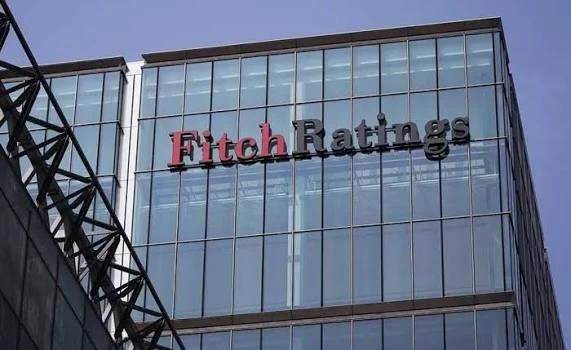
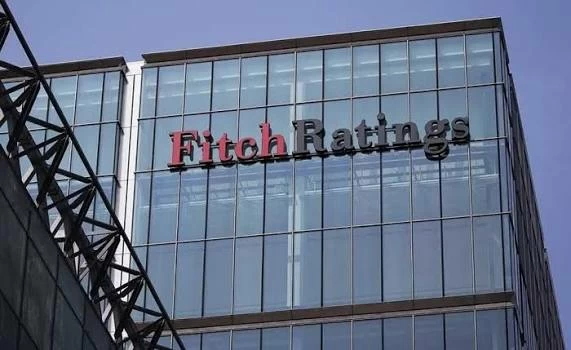
أكدت وكالة فيتش للتصنيفات الائتمانية أن قطاع إدارة الأصول في السعودية – وهو الأكبر من نوعه في دول مجلس التعاون الخليجي – أظهر مرونة في مواجهة التقلبات خلال عام 2026 حتى الآن.
وتتوقع الوكالة أن يتجاوز حجم الأصول المُدارة 400 مليار دولار بحلول عام 2027.
زيادة طلب المستثمرين
وقال بشار الناطور الرئيس العالمي للتمويل الإسلامي لدى «فيتش للتصنيفات الائتمانية»: «من المرجح أن يستمر النمو، مدعوماً بزيادة طلب المستثمرين، والتقدم التنظيمي، وتنامي المشاركة الأجنبية». وأضاف: «على الرغم من استمرار المخاطر المرتبطة بالأوضاع الجيوسياسية، وأسعار النفط، وأسعار الفائدة، إلا أن القطاع أثبت مرونته، مستفيداً من قاعدة قوية من المستثمرين المحليين».
وارتفع إجمالي الأصول المُدارة في القطاع بنسبة 20% على أساس سنوي ليصل إلى نحو 370 مليار دولار بنهاية النصف الأول من عام 2026، وهو ما يعادل قرابة 27% من الناتج المحلي الإجمالي (مقارنة بـ 23% في النصف الأول من عام 2025).
الصناديق الخاصة والعامة
واستحوذت الصناديق الخاصة على 55% من إجمالي الأصول المُدارة، محققة نمواً بنسبة 31%، مدفوعةً بشكل رئيسي بالاستثمارات في العقارات والأسهم، حيث تُعد المكاتب العائلية (Family Offices) من المستثمرين الرئيسيين فيها. كما مثلت خدمات إدارة المحافظ الاستثمارية (بناءً على تفويض من العميل) 27% من إجمالي الأصول المُدارة، بزيادة قدرها 3%، تركزت غالبيتها في الأسهم المحلية.
أما الصناديق العامة، فقد نمت بنسبة 19% لتشكل 18% من إجمالي الأصول المُدارة، وتوزعت استثماراتها بين صناديق أسواق النقد، والأسهم، وصناديق الاستثمار العقاري المتداولة (REITs)، وأدوات الدين.
حصة المؤسسات الدولية والإقليمية
وارتفعت حصة المؤسسات الدولية والإقليمية العاملة في أسواق المال من إيرادات القطاع لتصل إلى 18.5% في الربع الثاني من عام 2026 (مقارنة بـ 12.5% في الربع الثاني من عام 2024). ومع ذلك، لا تزال النسبة الأكبر من الإيرادات تتركز لدى مديري الأصول التابعين للبنوك المحلية. وفيما يتعلق بالسوق الرئيسية في البورصة السعودية، حافظ المستثمرون الأجانب على حصة ملكية بلغت 12% بنهاية شهر أكتوبر (مقارنة بـ 12.4% بنهاية عام 2025؛ من الأسهم الحرة المتاحة للتداول)، وذلك رغم التقلبات التي شهدتها الأسواق. كما لوحظ تزايد حيازة المستثمرين الأجانب لإصدارات الدين الحكومي المحلي، حيث بلغت نسبتهم 14.7% بنهاية النصف الأول من عام 2026، مقارنة بـ 4.5% بنهاية عام 2024.
Fitch Ratings has confirmed that the asset management sector in Saudi Arabia – the largest of its kind in the Gulf Cooperation Council countries – has shown resilience in the face of fluctuations during 2026 so far.
The agency expects the volume of managed assets to exceed $400 billion by 2027.
Increased Investor Demand
Bashar Al-Natour, Global Head of Islamic Finance at Fitch Ratings, stated: “Growth is likely to continue, supported by increased investor demand, regulatory advancements, and growing foreign participation.” He added: “Despite ongoing risks associated with geopolitical conditions, oil prices, and interest rates, the sector has proven its resilience, benefiting from a strong base of local investors.”
The total managed assets in the sector increased by 20% year-on-year, reaching approximately $370 billion by the end of the first half of 2026, which is equivalent to about 27% of the GDP (compared to 23% in the first half of 2025).
Private and Public Funds
Private funds accounted for 55% of the total managed assets, achieving a growth of 31%, primarily driven by investments in real estate and equities, with family offices being key investors in this area. Investment portfolio management services (based on client mandates) represented 27% of the total managed assets, an increase of 3%, with the majority concentrated in local equities.
Public funds grew by 19% to constitute 18% of the total managed assets, with their investments distributed among money market funds, equities, real estate investment trusts (REITs), and debt instruments.
Share of International and Regional Institutions
The share of international and regional institutions operating in the capital markets from the sector’s revenues rose to 18.5% in the second quarter of 2026 (compared to 12.5% in the second quarter of 2024). However, the largest share of revenues remains concentrated among asset managers affiliated with local banks. Regarding the main market in the Saudi stock exchange, foreign investors maintained an ownership stake of 12% by the end of October (compared to 12.4% by the end of 2025; of the free-floating shares available for trading), despite the fluctuations witnessed in the markets. There has also been an observed increase in foreign investors’ holdings of local government debt issuances, with their share reaching 14.7% by the end of the first half of 2026, compared to 4.5% by the end of 2024.