

أفصحت تقاريرأن أبرز نقاط الخلاف بين واشنطن وطهران شملت :ترتيبات الملف النووي، آلية رفع العقوبات، مستقبل الملاحة في مضيق هرمز، وبعض القضايا الإقليمية المرتبطة بإنهاء التصعيد العسكري..
ونقلت وكالة «تسنيم» الإيرانية عن مصدر مطلع قوله: إن الخلافات بين إيران والولايات المتحدة بشأن بنود متعددة في مذكرة التفاهم استمرت حتى الدقائق الأخيرة التي سبقت إعلانها.
وأفصح المصدر بأن أبرز التعديلات التي أُدخلت خلال اليومين الأخيرين والساعات التي سبقت إعلان مذكرة التفاهم، شملت إضافة عبارة «ضمان سيادة لبنان واحترام سلامة أراضيه» إلى البند الأول من مذكرة التفاهم. وقال المصدر إن الرئيس الأمريكي دونالد ترمب كان يرفض إضافة هذه العبارة في النسخ السابقة.
وحسب المصدر، فإن ترمب «كان يصر على إعادة فتح مضيق هرمز ورفع الحصار في الوقت نفسه فور الإعلان عن مذكرة التفاهم، إلا أن إيران رفضت ذلك، وتم الاتفاق على أن تبدأ عملية إعادة فتح مضيق هرمز بعد توقيع مذكرة التفاهم يوم الجمعة»، وفق ما أوردته الوكالة.
وأضاف أن ترمب أعلن في منشوره على وسائل التواصل الاجتماعي في البداية أن المضيق والحصار أُعيدا إلى الوضع الطبيعي في الوقت نفسه، إلا أنه بعد تنبيه من إيران عبر الوسيط الباكستاني، عدل منشوره وكتب أن مضيق هرمز سيُعاد فتحه الجمعة.
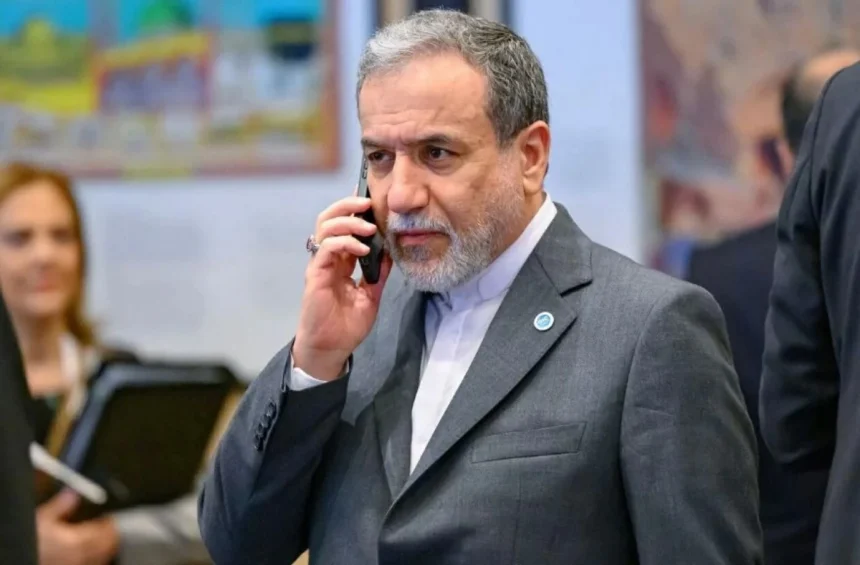
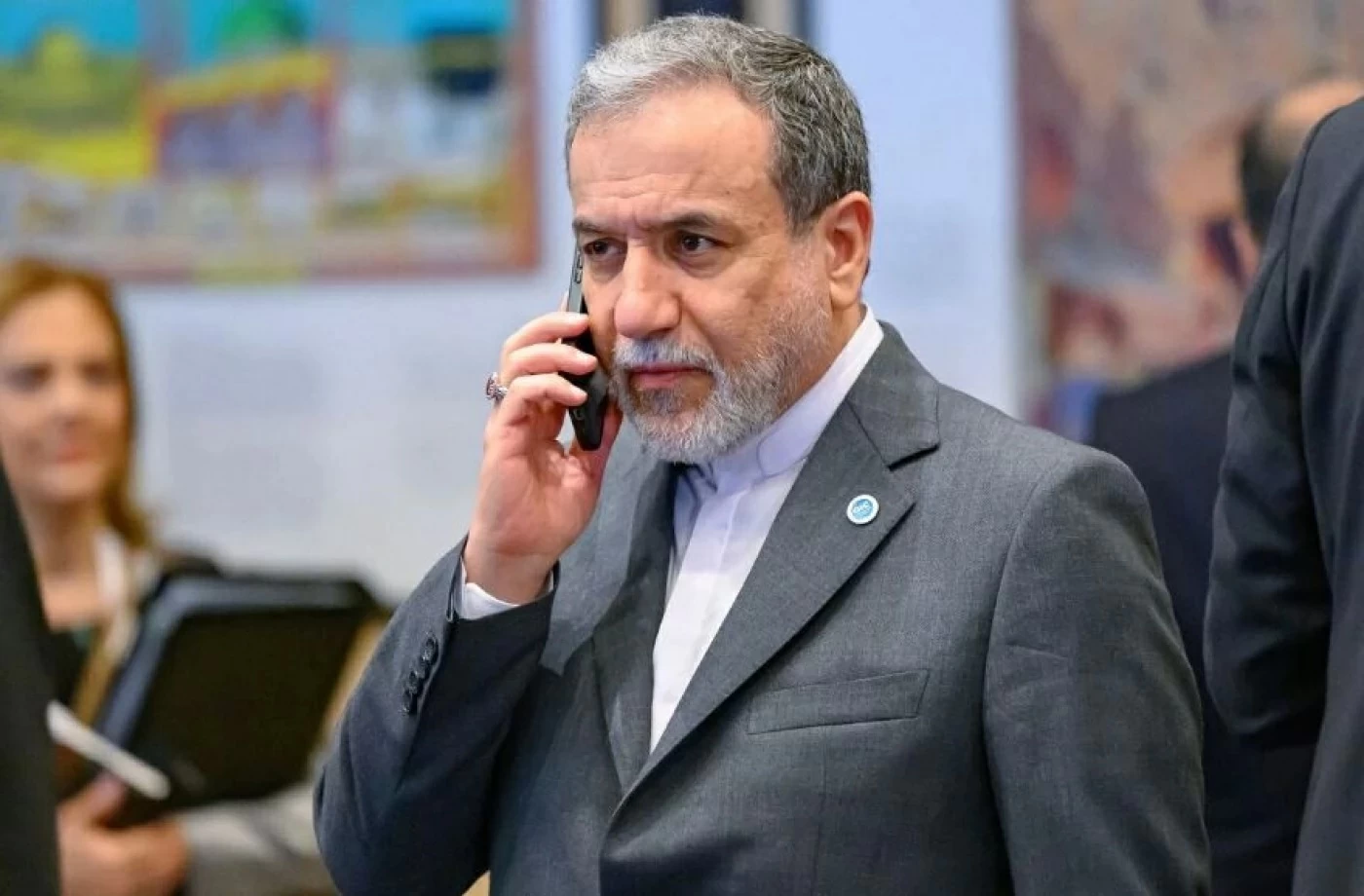
وبالتزامن مع إعلان إسرائيل عدم انسحابها من «المناطق الأمنية» في لبنان وسورية وغزة، شدّد وزير الخارجية الإيراني عباس عراقجي على أن أمريكا مسؤولة عن تنفيذ مذكرة الاتفاق التي أُعلِنت أمس.
وأكد عراقجي خلال اتصالات هاتفية منفصلة مع نظرائه من تركيا ومصر والعراق، اليوم الإثنين، وجوب وقف الاعتداءات والهجمات التي تشنها إسرائيل على لبنان بشكل كامل.
واعتبر أن الولايات المتحدة تتحمل مسؤولية تنفيذ الاتفاق الإطاري لإنهاء الحرب، وفق ما نقلت عنه وكالة «فارس».
Reports have revealed that the main points of contention between Washington and Tehran included: arrangements for the nuclear file, the mechanism for lifting sanctions, the future of navigation in the Strait of Hormuz, and some regional issues related to ending military escalation.
The Iranian news agency “Tasnim” quoted an informed source as saying that the disagreements between Iran and the United States over multiple clauses in the memorandum of understanding continued until the last minutes before its announcement.
The source disclosed that the most significant amendments made in the last two days and the hours leading up to the announcement of the memorandum included the addition of the phrase “guaranteeing Lebanon’s sovereignty and respecting its territorial integrity” to the first clause of the memorandum. The source stated that President Donald Trump had refused to add this phrase in previous drafts.
According to the source, Trump “insisted on reopening the Strait of Hormuz and lifting the blockade simultaneously upon the announcement of the memorandum, but Iran rejected this, and it was agreed that the process of reopening the Strait of Hormuz would begin after signing the memorandum on Friday,” as reported by the agency.
He added that Trump initially announced in his social media post that the strait and the blockade were returned to normal at the same time, but after a warning from Iran through the Pakistani mediator, he modified his post to state that the Strait of Hormuz would be reopened on Friday.
Simultaneously with Israel’s announcement of its non-withdrawal from the “security areas” in Lebanon, Syria, and Gaza, Iranian Foreign Minister Abbas Araghchi emphasized that the U.S. is responsible for implementing the agreement memorandum announced yesterday.
Araghchi confirmed during separate phone calls with his counterparts from Turkey, Egypt, and Iraq on Monday that the attacks and assaults carried out by Israel on Lebanon must be completely halted.
He considered that the United States bears the responsibility for implementing the framework agreement to end the war, according to what the “Fars” agency reported.