

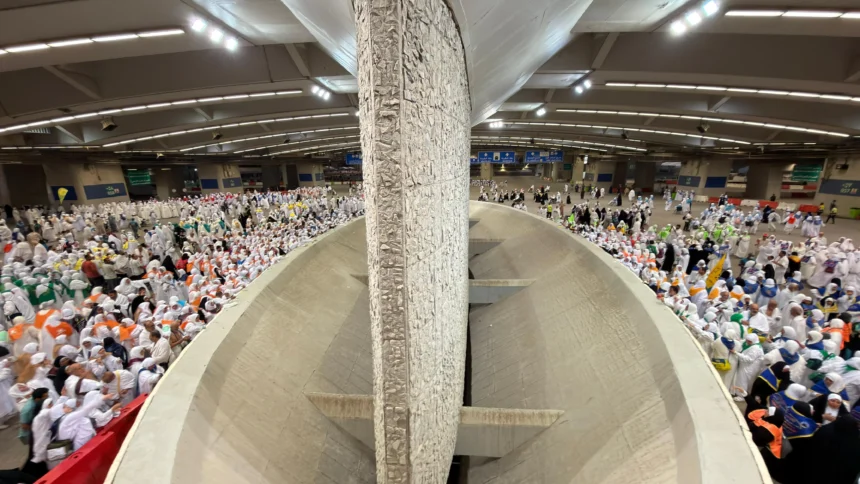
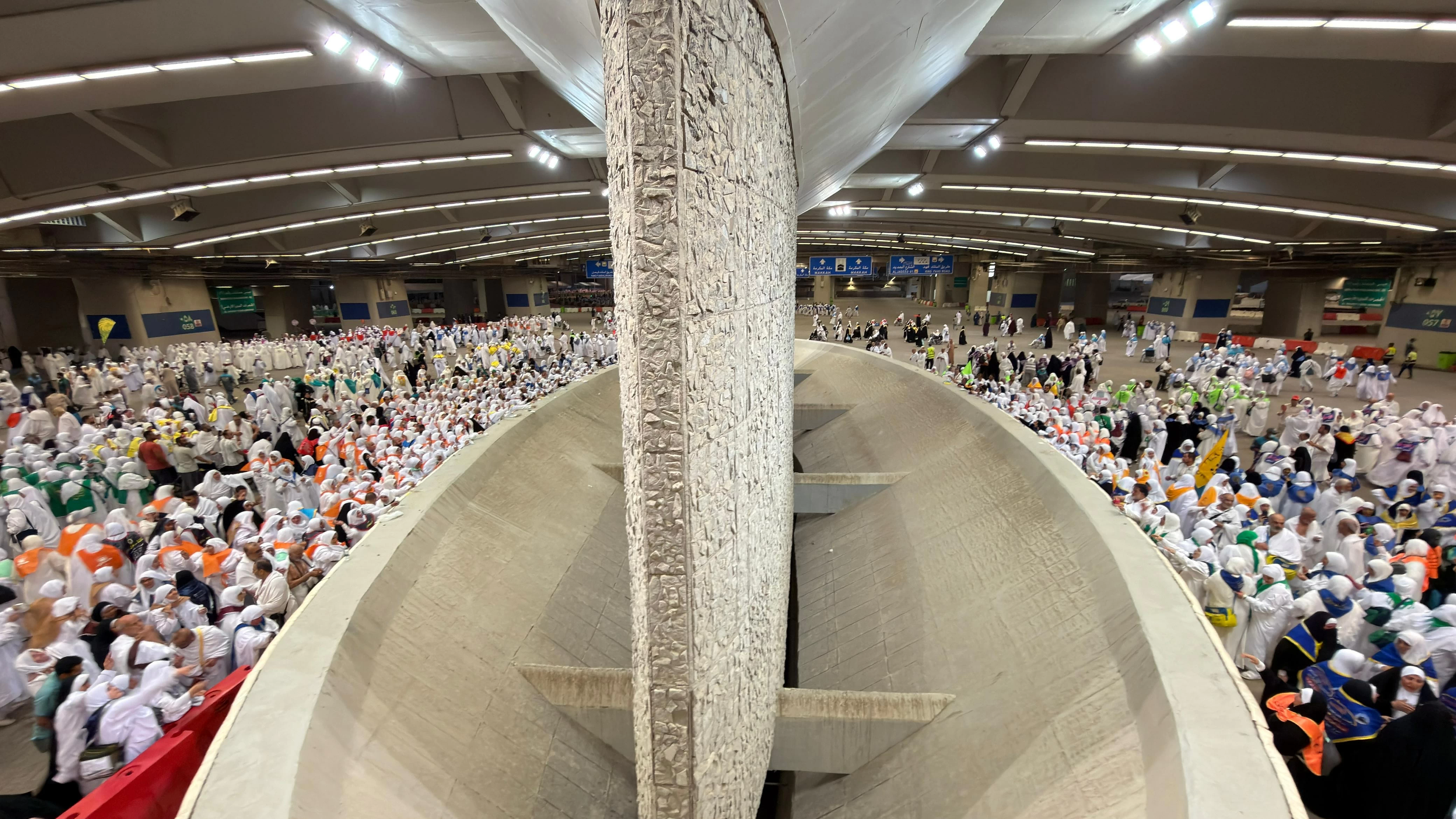
تعتمد منشأة الجمرات على أنظمة حديثة لجمع الحصى، والتعامل معها آلياً بعد انتهاء الرمي، ضمن جهود تشغيلية متواصلة تعكس مستوى التطور الذي تشهده الخدمات المقدمة للحجاج في المشاعر المقدسة.
وتبقى شعيرة (رمي الجمرات) واحدة من أكثر مشاهد الحج حضوراً في الذاكرة الإسلامية، بما تحمله من رمزية دينية عميقة، تتجدد معها معاني الإيمان والطاعة، والتجرد لله تعالى في رحلة الحج المباركة.
وفي مشهد إيماني وتنظيم متكامل يتكرر في كل عام يؤدي الحجاج شعيرة (رمي الجمرات)، مستحضرين معاني الطاعة والاتباع، مجسدين واحدة من أبرز مناسك الحج المرتبطة بسيرة نبي الله إبراهيم عليه السلام.
ويبدأ الحجاج خلال أيام التشريق رمي الجمرات الثلاث؛ الصغرى والوسطى والكبرى، بواقع سبع حصيات لكل جمرة؛ وفق ترتيب محدد يبدأ بالصغرى، وينتهي بجمرة العقبة. ويبلغ مجموع الحصيات التي يرميها الحاج المتعجل 49 حصاة في ثلاثة أيام، فيما يصل عددها إلى 70 حصاة للحاج المتأخر الذي يبقى إلى اليوم الـ13 من ذي الحجة، في شعيرة تحمل دلالات إيمانية عميقة ترتبط بالثبات على الطاعة، ومجاهدة النفس، ووساوس الشيطان.
وتأتي عملية الرمي وفق خطة تفويج محكمة، نُفذت بتعاون وتنسيق بين مختلف الجهات المعنية، وبمتابعة ميدانية فورية، أسهمت في تحقيق أعلى درجات السلامة والأمان للحجاج، وتمكينهم من أداء نسكهم في أجواء تسودها الطمأنينة والسكينة.
ويواصل الحجاج إقامتهم في مشعر منى خلال أيام التشريق، لإكمال نسكهم، مع جواز التعجل في ثانيها لمن أراد.
واتسمت حركة الحجاج على جسر الجمرات بالانسيابية، إذ سلكوا مساراتهم في سهولة في طريق الذهاب لأداء شعيرة الرمي، أو أثناء عودتهم إلى مقار سكنهم في مشعر منى، أو انتقالهم إلى مكة المكرمة؛ لأداء طواف الوداع لمن أراد التعجّل.
في غضون ذلك، يشهد المسجد الحرام وساحاته توافد حجاج البيت العتيق في اليوم الثاني والثالث من أيام التشريق لأداء طواف الوداع للمتعجلين، فيما استعدت الجهات المعنية في المسجد الحرام لاستقبال هذه الحشود التي تغادر مكة المكرمة تباعاً.
The Jamrat facility relies on modern systems for collecting pebbles and handling them automatically after the stoning is completed, as part of ongoing operational efforts that reflect the level of development in the services provided to pilgrims in the holy sites.
The ritual of (stoning the Jamrat) remains one of the most memorable scenes of Hajj in Islamic memory, carrying deep religious symbolism that renews the meanings of faith and obedience, and selflessness to Allah Almighty during the blessed journey of Hajj.
In a scene of faith and complete organization that repeats every year, pilgrims perform the ritual of (stoning the Jamrat), embodying the meanings of obedience and following, representing one of the most prominent rites of Hajj associated with the life of Prophet Ibrahim (peace be upon him).
During the days of Tashreeq, pilgrims begin stoning the three Jamrat; the small, the medium, and the large, throwing seven pebbles for each Jamrah, in a specific order starting with the small and ending with the Jamrat al-Aqaba. The total number of pebbles thrown by a hurried pilgrim is 49 pebbles over three days, while the number reaches 70 pebbles for the delayed pilgrim who stays until the 13th of Dhul-Hijjah, in a ritual that carries deep spiritual meanings related to steadfastness in obedience, self-struggle, and the whispers of Satan.
The stoning process follows a well-organized plan, implemented with cooperation and coordination among various concerned parties, and with immediate field monitoring, which contributed to achieving the highest levels of safety and security for the pilgrims, enabling them to perform their rituals in an atmosphere of tranquility and peace.
Pilgrims continue their stay in the Mina area during the days of Tashreeq to complete their rituals, with the option to hasten on the second day for those who wish.
The movement of pilgrims on the Jamrat Bridge was smooth, as they easily followed their paths on the way to perform the stoning ritual, or during their return to their accommodations in Mina, or their transfer to Mecca to perform the farewell Tawaf for those who wish to hasten.
Meanwhile, the Grand Mosque and its courtyards witness the arrival of pilgrims to the ancient house on the second and third days of Tashreeq to perform the farewell Tawaf for those who are hurrying, while the concerned authorities in the Grand Mosque prepared to receive these crowds leaving Mecca in succession.