



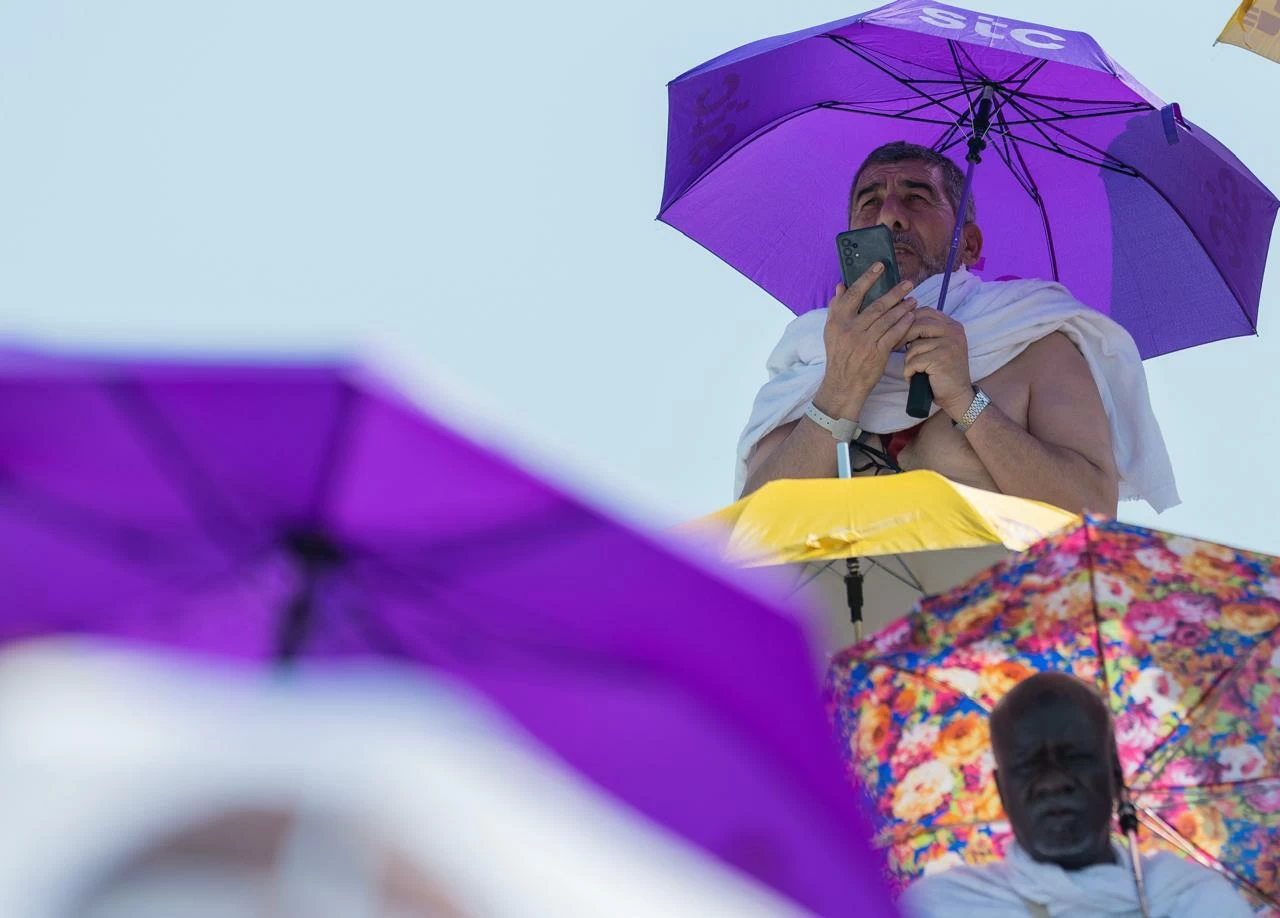
كشفت مجموعة stc نجاحها في إدارة واحدة من أكبر العمليات التشغيلية وأكثرها تعقيداً على مستوى العالم خلال يوم عرفة، وذلك بالاعتماد على منظومة رقمية متقدمة مدعومة بالذكاء الاصطناعي وقدرات الأتمتة وإدارة الشبكات الذاتية.
وتمكّنت stc هذا العام من استيعاب نمو تاريخي في الطلب على الخدمات الرقمية عموماً، والاتصالات والبيانات خصوصاً، في مشعر عرفات مع الحفاظ على أعلى مستويات جودة الخدمة واستقرار الشبكة بالرغم من الحركة المستمرة للحشود والارتفاع الكبير في الطلب على الخدمات الرقمية.
ويعود هذا النجاح إلى تطوير وتنفيذ حزمة من الابتكارات التقنية الحديثة التي صُممت خصيصاً للتعامل مع التحديات التشغيلية خلال موسم الحج، إذ فعّلت stc ثلاث تقنيات متقدمة أسهمت في رفع كفاءة الشبكة وتحسين تجربة ضيوف الرحمن بشكل استثنائي. وشملت القائمة تقنية Dynamic Crowd-Aware Optimization، التي تعمل على تحليل كثافة الحشود وحركة المستخدمين لحظياً، وإعادة توزيع الموارد بين المواقع الأكثر ازدحاماً بشكل تلقائي من أجل ضمان استمرارية جودة الخدمة أثناء تغيّر أماكن تجمع الحجاج بشكل متواصل. كما قدّمت المجموعة منصة AI-Powered Predictive Traffic Steering المدعومة بالذكاء الاصطناعي، التي تقوم برصد الضغط المتوقع على الشبكة والتعامل معه استباقياً لتقليل الاختناقات ورفع كفاءة الأداء خلال ساعات الذروة.
إضافة إلى ذلك، عززت stc جاهزية الشبكة عبر منظومة Autonomous Energy & Capacity Optimization، التي تعمل بشكل تلقائي على إدارة موارد الشبكة في الوقت الحقيقي بما يتناسب مع مستويات الطلب الفعلي، الأمر الذي يضمن الحفاظ على استقرار الخدمة في المواقع الأكثر ازدحاماً.
وقد انعكست كفاءة هذه الحلول الذكية على مؤشرات الأداء، إذ سجلت الشبكة زيادة كبيرة في الاستخدام مقارنة بالموسم الماضي، حيث ارتفعت حركة البيانات بنسبة 42%، فيما تجاوزت نسبة استخدام شبكة الجيل الخامس 51% من إجمالي الاستخدام خلال يوم عرفة، مسجلةً نمواً بنسبة 16% مقارنة بالعام الماضي.
كما سجلت الشبكة ارتفاعاً ملحوظاً في متوسط سرعات التحميل بلغ 13%، إلى جانب خفض زمن الاستجابة (Latency) إلى مستويات تقل عن 50% بالمقارنة مع المعدلات العالمية، ما انعكس بشكل مباشر على جودة استخدام التطبيقات والبث المباشر والمكالمات المرئية التي أجراها الحجاج مع أهلهم وأحبائهم.
وعلى مستوى الجاهزية التشغيلية وجودة الاتصال، سجلت الشبكة معدل نجاح في إتمام المكالمات بلغ 99.83%، مع ارتفاع عدد المكالمات الصوتية الناجحة عبر شبكات الجيل الرابع بنسبة 11%. وحافظت الشبكة على جاهزية تشغيلية استثنائية بلغت 99.9% طوال يوم عرفة، بالتزامن مع انخفاض البلاغات المرتبطة بجودة الخدمة بنسبة 13%.
كما نجحت stc في استيعاب الارتفاع في أعداد المستخدمين المتزامنين بنسبة 8% مقارنة بالموسم الماضي، مع تحسّن كفاءة استهلاك موارد الشبكة بالنسبة ذاتها. وفي الوقت نفسه، عالجت أنظمة الذكاء الاصطناعي أكثر من 99.9% من عمليات التحليل واتخاذ القرارات المتعلقة بالشبكة آلياً خلال ساعات الذروة، مما ساهم في الحفاظ على أعلى مستويات الأداء واستقرار الخدمة.
وأكدت المجموعة أن هذا النجاح جاء نتيجة استثمارات استراتيجية متواصلة في البنية التحتية الرقمية، وتبني أحدث تقنيات الأتمتة والذكاء الاصطناعي، إلى جانب تصميم وتنفيذ خطط استباقية متقدمة صُممت خصيصاً للتعامل مع الطبيعة المتغيرة لحركة الحشود في المشاعر المقدسة.
ويمثّل يوم عرفة أحد أكثر السيناريوهات التشغيلية تعقيداً على مستوى العالم، إذ تتغير أنماط الاستخدام وكثافة الحركة بصورة متسارعة خلال ساعات محدودة. وقد نجحت stc في توظيف أحدث تقنيات الذكاء الاصطناعي وإدارة الشبكات الذاتية لتقديم تجربة اتصال موثوقة وسلسة لضيوف الرحمن، بما يعكس جاهزية البنية الرقمية للمملكة وريادتها العالمية في مجال إدارة الحشود.
STC Group revealed its success in managing one of the largest and most complex operational processes in the world during the Day of Arafah, relying on an advanced digital system supported by artificial intelligence, automation capabilities, and self-managed networks.
This year, STC was able to absorb a historic growth in demand for digital services in general, and telecommunications and data in particular, at the Arafat site while maintaining the highest levels of service quality and network stability despite the continuous movement of crowds and the significant increase in demand for digital services.
This success is attributed to the development and implementation of a package of modern technological innovations specifically designed to address operational challenges during the Hajj season. STC activated three advanced technologies that contributed to enhancing network efficiency and improving the experience of the pilgrims exceptionally. The list included Dynamic Crowd-Aware Optimization technology, which analyzes crowd density and user movement in real-time, automatically redistributing resources among the most crowded locations to ensure the continuity of service quality as the gathering places of the pilgrims change continuously. The group also provided the AI-Powered Predictive Traffic Steering platform, supported by artificial intelligence, which monitors the expected pressure on the network and proactively addresses it to reduce congestion and enhance performance during peak hours.
Additionally, STC enhanced network readiness through the Autonomous Energy & Capacity Optimization system, which automatically manages network resources in real-time according to actual demand levels, ensuring service stability in the most crowded locations.
The efficiency of these smart solutions reflected positively on performance indicators, as the network recorded a significant increase in usage compared to the previous season, with data traffic rising by 42%, while the usage rate of the fifth-generation network exceeded 51% of total usage during the Day of Arafah, marking a growth of 16% compared to last year.
The network also recorded a noticeable increase in average download speeds of 13%, along with reducing latency to levels below 50% compared to global averages, which directly impacted the quality of application usage, live streaming, and video calls made by the pilgrims with their families and loved ones.
In terms of operational readiness and call quality, the network achieved a call completion success rate of 99.83%, with an 11% increase in successful voice calls over fourth-generation networks. The network maintained exceptional operational readiness of 99.9% throughout the Day of Arafah, coinciding with a 13% decrease in reports related to service quality.
STC also successfully accommodated an 8% increase in the number of concurrent users compared to the previous season, with improved efficiency in resource consumption for the same percentage. At the same time, artificial intelligence systems processed over 99.9% of analysis and decision-making operations related to the network automatically during peak hours, contributing to maintaining the highest levels of performance and service stability.
The group confirmed that this success resulted from continuous strategic investments in digital infrastructure, adopting the latest automation and artificial intelligence technologies, along with designing and implementing advanced proactive plans specifically tailored to address the changing nature of crowd movement in the holy sites.
The Day of Arafah represents one of the most complex operational scenarios in the world, as usage patterns and movement density change rapidly within limited hours. STC successfully employed the latest artificial intelligence technologies and self-managed networks to provide a reliable and seamless communication experience for the pilgrims, reflecting the readiness of the Kingdom’s digital infrastructure and its global leadership in crowd management.


