
للبحرين تاريخ عريق في المجال المصرفي يعود إلى العشرية الثانية من القرن العشرين، بل تفتخر البحرين بكونها أول بلد خليجي تؤسَّس فيه المصارف، وتشهد حركة مصرفية وفق أنماطها الحديثة.
وطبقاً لما ورد في محاضرة ألقاها الصديق محمد صلاح الدين بمتحف قلعة البحرين، ونشرت صحيفة «أخبار الخليج» (4/3/2023) نصها، واعتماداً على مصادر أخرى متفرقة، يمكن القول إن أول عهد للبحرين بالبنوك كان في يوليو من عام 1920، إبان عهد حاكم البحرين وتوابعها الشيخ عيسى بن علي آل خليفة (عيسى الكبير) طيب الله ثراه، وذلك حينما تمّ في المنامة افتتاح فرع للبنك الشرقي المحدود (تأسس في بريطانيا سنة 1909 تحت اسم البنك البريطاني عبر البحار، ويُعرف اليوم باسم ستاندرد تشارترد). هذا علماً بأن محاولات كثيرة بذلت قبل هذا التاريخ لافتتاح فروع لمصارف أجنبية في البحرين، لكنها أحبطت من قبل بعض كبار التجار خوفاً من المنافسة، حيث كان هؤلاء يتولون بأنفسهم وظائف البنوك من خلال الاحتفاظ بأموال ووثائق وصكوك ومجوهرات الناس داخل خزائن حديدية منيعة جلبوها من الهند بحراً، مع قيامهم في الوقت نفسه بأنشطة تحويل الأموال عبر مكاتبهم في الخارج (لا سيما في الهند البريطانية). والجدير بالذكر هنا أن هذه الخدمة التي قدمها نفر من تجار البحرين، أشهرهم الوجيه يوسف بن أحمد كانو، جاءت بعد سنوات من احتفاظ أبناء الخليج الموسرين بأشيائهم الثمينة داخل أكياس محكمة الإغلاق، درجوا على دفنها تحت الأرض أو في أقبية سحيقة داخل منازلهم.
تقول المصادر التاريخية، التي اطلعت عليها: إن أولى محاولات فتح مصرف تجاري في المنامة كانت من قبل البنك الإمبراطوري البريطاني الإيراني في عام 1900؛ وهي محاولة أثمرت عن فتح مكتب تجريبي صغير عمل لمدة شهرين فقط، قبل أن يغلق لعدم تعاون التجار معه، ولأنه لم يحصل على موافقة حاكم البلاد. وفي عام 1918، اقتنع تجار البحرين بفوائد افتتاح مصرف في البلاد، كما أن حاكم البلاد حصل على تعهد من البنك الشرقي بأن تكون معاملاته غير متعارضة مع الشريعة الإسلامية، فكان أن افتُتح البنك الشرقي المذكور برأسمال قدره مليون روبية، وصارت المنامة أحد فروعه إلى جانب فروعه الأخرى في بومباي وبغداد والبصرة. وظل البنك الشرقي مذّاك محتكراً لمدة 26 عاماً كافة الأعمال المصرفية من إرسال وإيداع وحفظ الأموال، وتقديم القروض تسهيلاً وتطويراً للأعمال التجارية والعمرانية، كأول بنك في البحرين ومنطقة الخليج قاطبة بما فيها المملكة العربية السعودية التي لم يتأسس بها مصرف إلا في عام 1926، حينما افتتح بنك هولندا العام فرعاً له في جدة.
ونظراً لتطور الأعمال والأنشطة الاقتصادية في أعقاب اكتشاف النفط وتصديره سنة 1932، ازدادت الحاجة إلى أكثر من مصرف تجاري في البحرين، فكان أن افتتح البنك الإمبراطوري البريطاني الإيراني فرعاً له بالمنامة سنة 1946، ليصبح ثاني بنك تجاري يزاول النشاط المصرفي التجاري في البلاد، علماً بأنه غيّر اسمه في عام 1950 إلى «البنك البريطاني لإيران والشرق الأوسط»، ثم غيّره مرة أخرى في عام 1953 إلى «البنك البريطاني للشرق الأوسط»؛ وهو البنك الذي يسمى اليوم بمجموعة هونغ كونغ وشنغهاي المصرفية المحدودة (HSBC).
وفي منتصف خمسينيات القرن العشرين تقدم بعض التجار إلى حاكم البحرين وتوابعها الشيخ سلمان بن حمد آل خليفة -طيب الله ثراه- بفكرة تأسيس بنك بحريني وطني، فوافق عليها، ليظهر «بنك البحرين» في عام 1957، وهو ما يسمى اليوم «بنك البحرين الوطني». وبسبب جاذبية البحرين كمركز تجاري واقتصادي نشط قام «البنك العربي المحدود» في عام 1960 بافتتاح فرع له في المنامة، ليصبح رابع بنوك البلاد.
وفي مارس 1971، تأسس أول بنك بحريني بملكية خليجية مشتركة بين البحرين والكويت، تحت اسم «بنك البحرين والكويت (BBK)»، وبرأسمال قدره مليون دينار بحريني. ثم راحت أعداد المصارف العالمية والخليجية تتزايد عاماً بعد عام بجنسيات وتسميات مختلفة تحت إشراف ورقابة «مجلس النقد» الذي تحول لاحقاً إلى «مصرف البحرين المركزي». وشهدت البحرين ذروة الحركة المصرفية في منتصف السبعينيات، حينما اختارتها بنوك عالمية وأجنبية معروفة كمكان لتأسيس وحداتها المصرفية الخارجية (أو ما يُعرف ببنوك الأوف شور)، وذلك كبديل لمدينة بيروت المشتعلة بحرب أهلية مدمرة آنذاك، خصوصاً أن البحرين كانت مهيأة لذلك أكثر من غيرها بسبب تاريخها المصرفي الطويل وبنيتها التحتية المغرية وقوانينها المالية الحديثة، وأجوائها الآمنة المستقرة، وانفتاحها الاجتماعي، ناهيك عن تقديم الحكومة تسهيلات وامتيازات محفزة، وعدم وجود ضرائب على الأرباح.
من رحم هذا التاريخ المصرفي العريق، وقصة النجاح هذه، وُلدت كوادر بحرينية تمتلك الخبرة وعلو الهمة المسنودتين بالدراسة والتخصص أو التدريب في أرقى الأكاديميات والمعاهد الأجنبية ذات الصلة. فحينما احتفلت البحرين في سنة 2020 بمرور مائة عام على تأسيس أول مصرف في البلاد، لم تكن تحتفل بهذه المناسبة فقط، وإنما أيضاً بمردودها المتمثل في مساهمة القطاع المصرفي بنحو 17% في الناتج المحلي الإجمالي، وفي توفيره نحو 14 ألف وظيفة (66% منها تشغلها كوادر وكفاءات بحرينية). كما كانت تحتفل من ناحية أخرى بقصص النجاحات الكبيرة التي حققتها البلاد في الصناعة والنهضة المصرفية والمالية، وتجربة تنويع مصادر الدخل.
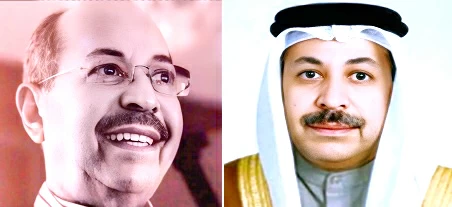
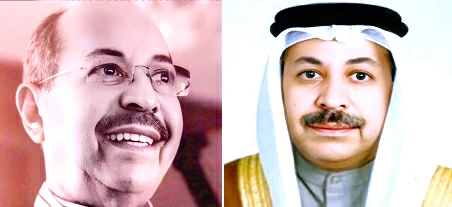
أحد هؤلاء المصرفيين النوابغ الذين أنجبتهم البحرين هو الأستاذ محمد الشروقي، الذي يحمل على ظهرة تجربة في القطاع المصرفي والمالي والاستثماري تمتد إلى 35 عاماً، عمل خلالها في أكثر من موقع محلي وإقليمي وعالمي، وحقق في كل وظيفة ومحفل ونشاط نجاحات متتالية، ليبرز اسمه في تاريخ وطنه البحريني كواحد من ألمع المصرفيين، وأكثرهم عصامية وألقاً.
وُلد محمد بن إبراهيم بن جمعة الشروقي بمدينة الحد الواقعة في الطرف الجنوبي الشرقي لجزيرة المحرق، في يومٍ يعتبره البعض من أيام العرب المجيدة، بينما يعتبره البعض الآخر من الأيام التي مهدت للهزائم والانكسارات، ونعني بذلك يوم 23 يوليو سنة 1952 الذي شهد نهاية الملكية في مصر.
كان ميلاده لأسرة متواضعة الحال يمتهن أفرادها الصيد والغوص على اللؤلؤ، كحال معظم الأسر البحرينية آنذاك. وتربى ونشأ على يد والديه داخل بيت من البيوت التقليدية الواسعة في مساحتها، والكثيرة في غرفها ومناهلها، من تلك التي كانت تستخدم لإقامة الأسرة الممتدة من أجداد وأخوال وأعمام وذرياتهم، ولهذا تعلم الشروقي منذ نعومة أظفاره قيم التعاون والمحبة والتراحم، وأدرك -مذّاك- أنه لم يولد وفي فمه ملعقة من ذهب، وأنه كُتب عليه أن يكون عصامياً ومثابراً إنْ أراد العلا.
خلال سنوات تعليمه النظامي تنقل بين مدرستي «الحد الجنوبية الابتدائية» و«الحد الشمالية الابتدائية»، قبل أن يلتحق بمدرسة الهداية الخليفية في المحرق لإكمال المرحلتين الإعدادية والثانوية. وطبقاً لما قاله في برنامج «بصمة» من تلفزيون البحرين، فإن فائدته من الدراسة في الهداية الخليفية كانت عظيمة، لأنه تعرف من خلالها لأول مرة على طلبة من مختلف مدن وقرى البحرين ومن مختلف الطبقات الاجتماعية، ثم لأن الدراسة في الهداية كانت صارمة ومنضبطة.
بعد نيله شهادة الثانوية العامة سنة 1971، حصل على بعثة حكومية لإكمال دراسته الجامعية بجامعة الكويت، فسافر إلى هناك وأنهى بها تعليمه الجامعي بنجاح، ليعود إلى وطنه في منتصف السبعينيات تقريباً، ويحصل على وظيفة في شركة البحرين لصهر الألمنيوم (ألبا). وكان في هذه الأثناء قد تزوج من طالبة بحرينية كانت تدرس معه في الكويت، وأنهت تعليمها هناك وعادت لتعمل في الشركة العربية لبناء وإصلاح السفن (أسري).
وطبقاً لإفادته، تأمل الشروقي وزوجته حياتهما، فوجدا أنهما يعملان طوال النهار في وظيفتين لا تلبي طموحاتهما، وأنهما يعودان إلى منزلهما في نهاية اليوم منهكين، فتوصلا، وهما في شهر العسل في باريس، إلى قناعة بضرورة أن يُحدثا تغييراً جذرياً في حياتهما، فقدما من هناك استقالتيهما معاً من وظيفتيهما في عام 1976، وواصلا رحلة شهر العسل.
تجربة المصارف العالمية
خطوتهما التالية، بعد عودتهما إلى البحرين، كانت البحث عن وظيفة جديدة أكثر دخلاً، وأقل دواماً وضغطاً. ولحسن حظهما كانت البحرين تعيش في تلك الفترة طفرة غير مسبوقة في القطاعين المالي والمصرفي؛ بسبب إقدام العديد من المصارف العالمية على افتتاح فروع لها في المنامة. فتقدم الشروقي وزوجته معاً بطلب العمل في عدد من البنوك، إلى أن جاء الرد من «بنك أوف أمريكا» للسيدة زوجته، التي نجحت في المقابلة الشخصية، وتم توظفيها سكرتيرة للمدير التنفيذي للبنك آنذاك المصري مصطفى سراج الدين باشا. أما هو فقد جاءه طلب من «سيتي بنك» لإجراء المقابلة الشخصية بُغية توظيفه، وكان هذا المصرف الأمريكي هو الأول الذي حصل من السلطات المصرفية البحرينية على ترخيص افتتاح وحدة مصرفية خارجية (الأوف شور).
يتذكر الشروقي أن الذي أجرى له المقابلة الشخصية شخصان هما الأمريكي من أصل لبناني «حبيب رؤول» والمصرفي البحريني المعروف «مراد علي مراد» (رئيس مجلس إدارة بنك البحرين والكويت لاحقاً)، وأنه اجتازها بنجاح في مايو 1976 فتم تعيينه في دائرة التداول بالنقد الأجنبي إلى جانب شخصين آخرين هما مراد علي مراد والألماني بيرني بونس. ويعترف صاحبنا أنه عمل في هذه الدائرة دون أن تكون له خبرة سابقة في المجال، مضيفاً أنه تعلم بالممارسة وأحب عمله كثيراً مع مرور الأيام، وراح يصعد إلى أن وصل إلى منصب رئيس غرفة التداول بالنقد الأجنبي، ومن ثم إلى منصب مدير عام سيتي بنك البحرين في عام 1986، وكان ذلك بفضل الله، ثم بفضل مثابرته وتفانيه في العمل، علاوة على إتمامه خلال عقد الثمانينيات دورات تدريبية وتأهيلية لأشهر طويلة في كل من لندن ونيويورك وأثينا وسنغافورة.
القفز إلى المناصب العليا التنفيذية
في عام 1988، اتخذ قراراً صعباً، لكنه لم يندم عليه أبداً، لأن القرار مهّد أمامه فرصة القفز إلى المناصب العليا التنفيذية في القطاع المصرفي. ففي ذلك العام، وعلى الرغم من مسؤولياته العائلية، سافر إلى الولايات المتحدة لدراسة الإدارة التنفيذية بجامعة هارفارد العريقة، فحصل على شهادة في مجال الإدارة وتطوير المنتجات المصرفية، الأمر الذي أهله لتولي مناصب أكبر ومسؤوليات أكثر تعقيداً، حيث تمّ تعيينه سنة 2004 في منصب المدير التنفيذي لسيتي قروب لمنطقة الشرق الأوسط، والرئيس التنفيذي للبنك بدولة الإمارات العربية المتحدة. وكان لزاماً عليه بسبب هذه الترقية الرفيعة أن ينتقل من البحرين إلى دبي، ففعل وعاش هناك يؤدي مهامه لمدة خمس سنوات متواصلة.
وفي عام 2009، انتقل الشروقي من سيتي بنك البحرين، وهو في قمة نجاحه وتألقه، إلى «شركة إنفستكورب العالمية القابضة» (تأسست في البحرين في عام 1982 تحت اسم «بنك إنفستكورب»، وتحولت إلى شركة مساهمة متخصصة في توفير الاستثمارات البديلة وإدارة منتجاتها، والعمل وسيطاً للاستثمارات ووسيلة لنقل المال المكتسب من الاستثمارات في الولايات المتحدة إلى العملاء في دول الخليج العربية)، فلعب دوراً مشهوداً في قيادة إنفستكورب إلى التعافي من تداعيات الأزمة المالية العالمية آنذاك، وذلك من خلال تعزيز امتياز التسويق، وهو ما أدى إلى تسجيل الشركة أرباحاً قياسية. كما أدت قيادته إنفستكورب إلى أن تصبح الشركة لاعبة استثمارية مهمة في تركيا ودول مجلس التعاون، لا سيما السعودية.
هذه الجهود والإنجازات في حياة الشروقي، شرعتْ له الأبواب لتولي العديد من المسؤوليات الأخرى، فعدا عن اختياره من قبل القيادة البحرينية لعضوية مجلس الشورى في الفترة من 2000 إلى 2004، كان الرجل عضواً في مجلس التنمية الاقتصادية بالبحرين، وعضواً في مجلس أمناء جامعة البحرين، وعضواً في مجلس أمناء مركز البحرين للدراسات والبحوث، وعضواً في مجلس إدارة مدرسة البيان النموذجية، وعضواً في مجلس إدارة مدرسة البحرين الدولية، ونائباً لرئيس مجلس إدارة مجموعة البركة المصرفية الاستثمارية. إلى ما سبق شارك الشروقي في العديد من اجتماعات صندوق النقد الدولي ومؤتمرات دافوس السنوية، وحصل على وسام البحرين من الدرجة الأولى من لدن ملك البحرين الملك حمد بن عيسى آل خليفة، تقديراً لإسهاماته الوطنية.
Bahrain has a rich history in the banking sector that dates back to the second decade of the twentieth century, and Bahrain prides itself on being the first Gulf country to establish banks and witness a banking movement according to modern patterns.
According to a lecture delivered by my friend Mohammed Salahuddin at the Bahrain Fort Museum, published by the newspaper “Gulf News” (4/3/2023), and relying on various other sources, it can be said that Bahrain’s first experience with banks was in July 1920, during the reign of the ruler of Bahrain and its dependencies, Sheikh Isa bin Ali Al Khalifa (Isa the Great), may God rest his soul. This was when a branch of the Eastern Bank Limited was opened in Manama (established in Britain in 1909 under the name of the British Overseas Bank, and is known today as Standard Chartered). It is worth noting that many attempts were made before this date to open branches of foreign banks in Bahrain, but they were thwarted by some prominent merchants out of fear of competition, as these merchants themselves performed the functions of banks by keeping people’s money, documents, bonds, and jewelry inside secure iron safes they brought from India by sea, while at the same time engaging in money transfer activities through their offices abroad (especially in British India). It is noteworthy here that this service provided by a number of Bahrain’s merchants, the most famous of whom was the notable Yusuf bin Ahmed Kanoo, came after years of wealthy Gulf families keeping their valuables inside tightly sealed bags, which they buried underground or in deep cellars within their homes.
Historical sources I reviewed indicate that the first attempts to open a commercial bank in Manama were made by the Imperial Bank of Persia in 1900; this attempt resulted in the opening of a small experimental office that operated for only two months before closing due to a lack of cooperation from merchants and because it did not receive the approval of the ruler of the country. In 1918, Bahraini merchants became convinced of the benefits of opening a bank in the country, and the ruler received a commitment from the Eastern Bank that its transactions would not conflict with Islamic law. Thus, the aforementioned Eastern Bank was opened with a capital of one million rupees, and Manama became one of its branches alongside its other branches in Bombay, Baghdad, and Basra. Since then, the Eastern Bank monopolized all banking operations for 26 years, including sending, depositing, and safeguarding money, and providing loans to facilitate and develop commercial and construction activities, as the first bank in Bahrain and the entire Gulf region, including Saudi Arabia, where no bank was established until 1926, when the Netherlands Bank opened a branch in Jeddah.
Due to the development of business and economic activities following the discovery and export of oil in 1932, the need for more than one commercial bank in Bahrain increased. Consequently, the Imperial Bank of Persia opened a branch in Manama in 1946, becoming the second commercial bank to engage in banking activities in the country. It is noteworthy that it changed its name in 1950 to “British Bank for Iran and the Middle East,” and then again in 1953 to “British Bank of the Middle East”; this bank is now known as the Hongkong and Shanghai Banking Corporation Limited (HSBC).
In the mid-1950s, some merchants approached the ruler of Bahrain and its dependencies, Sheikh Salman bin Hamad Al Khalifa – may God rest his soul – with the idea of establishing a national Bahraini bank, which he approved. Thus, “Bank of Bahrain” emerged in 1957, which is known today as “National Bank of Bahrain.” Due to Bahrain’s attractiveness as an active commercial and economic center, “Arab Bank Limited” opened a branch in Manama in 1960, becoming the fourth bank in the country.
In March 1971, the first Bahraini bank with joint Gulf ownership between Bahrain and Kuwait was established under the name “Bank of Bahrain and Kuwait (BBK),” with a capital of one million Bahraini dinars. The number of international and Gulf banks continued to increase year after year with different nationalities and names under the supervision and regulation of the “Currency Board,” which later became the “Central Bank of Bahrain.” Bahrain witnessed the peak of banking activity in the mid-1970s when well-known international and foreign banks chose it as a location to establish their offshore banking units, as an alternative to the war-torn city of Beirut at that time, especially since Bahrain was better prepared for this than others due to its long banking history, attractive infrastructure, modern financial laws, stable and secure environment, and social openness, not to mention the government providing incentives and privileges, along with the absence of taxes on profits.
From the womb of this rich banking history and this success story, Bahraini cadres emerged with experience and high ambition supported by study and specialization or training in the finest foreign academies and institutes. When Bahrain celebrated in 2020 the centenary of the establishment of its first bank, it was not only celebrating this occasion but also its outcome, which is the banking sector’s contribution of about 17% to the GDP and the provision of around 14,000 jobs (66% of which are occupied by Bahraini cadres and competencies). Additionally, it was celebrating, on another front, the great success stories that the country achieved in industry, banking and financial renaissance, and the experience of diversifying income sources.
One of those brilliant bankers that Bahrain has produced is Mr. Mohammed Al-Shurooqi, who carries with him 35 years of experience in the banking, financial, and investment sectors, having worked in various local, regional, and global positions, achieving successive successes in every job, forum, and activity, making his name stand out in the history of his homeland Bahrain as one of the brightest bankers, and one of the most self-made and distinguished.
Mohammed bin Ibrahim bin Jumaa Al-Shurooqi was born in the city of Al-Hidd, located in the southeastern tip of Muharraq Island, on a day that some consider one of the glorious days of Arabs, while others see it as a day that paved the way for defeats and setbacks, referring to July 23, 1952, which witnessed the end of monarchy in Egypt.
He was born to a modest family whose members practiced fishing and pearl diving, like most Bahraini families at that time. He was raised by his parents in a spacious traditional house with many rooms and entrances, used to accommodate the extended family of grandparents, uncles, and their descendants. Thus, Al-Shurooqi learned from a young age the values of cooperation, love, and compassion, and he realized from then on that he was not born with a silver spoon in his mouth, and that he was destined to be self-made and diligent if he wanted to achieve greatness.
During his formal education years, he moved between “Al-Hidd Southern Primary School” and “Al-Hidd Northern Primary School,” before joining Al-Hidaya Al-Khalifiya School in Muharraq to complete his intermediate and secondary education. According to what he said in the “Basmat” program on Bahrain TV, his benefit from studying at Al-Hidaya Al-Khalifiya was immense, as he met for the first time students from various cities and villages in Bahrain and from different social classes, and because the education at Al-Hidaya was strict and disciplined.
After obtaining his high school diploma in 1971, he received a government scholarship to complete his university studies at the University of Kuwait, where he traveled there and successfully completed his university education, returning to his homeland in the mid-1970s, and obtaining a job at the Bahrain Aluminum Smelter Company (ALBA). During this time, he had married a Bahraini student who studied with him in Kuwait, who completed her education there and returned to work at the Arab Shipbuilding and Repair Yard Company (ASRY).
According to his statement, Al-Shurooqi and his wife contemplated their lives, and found that they were working all day in jobs that did not meet their ambitions, and that they returned home at the end of the day exhausted. They reached, while on their honeymoon in Paris, the conviction that they needed to make a radical change in their lives, so they submitted their resignations together from their jobs in 1976 and continued their honeymoon journey.
Experience with Global Banks
Their next step, after returning to Bahrain, was to search for a new job that offered more income, and less hours and pressure. Fortunately, Bahrain was experiencing an unprecedented boom in the financial and banking sectors at that time due to many global banks opening branches in Manama. Al-Shurooqi and his wife applied for jobs at several banks until the response came from “Bank of America” for his wife, who succeeded in the interview and was hired as the secretary to the bank’s then-executive director, the Egyptian Mustafa Sirag El-Din Pasha. As for him, he received an invitation from “Citibank” for a personal interview to be hired, and this American bank was the first to obtain a license from the Bahraini banking authorities to open an offshore banking unit.
Al-Shurooqi recalls that the interview was conducted by two people: an American of Lebanese descent, “Habib Raoul,” and the well-known Bahraini banker “Murad Ali Murad” (later Chairman of the Board of Directors of Bank of Bahrain and Kuwait), and he successfully passed it in May 1976, being appointed in the foreign exchange trading department alongside two others, Murad Ali Murad and the German Bernie Buns. He admits that he worked in this department without any prior experience in the field, adding that he learned through practice and grew to love his job as the days went by, and he rose until he reached the position of Head of the Foreign Exchange Trading Room, and then to the position of General Manager of Citibank Bahrain in 1986, thanks to God, and then his perseverance and dedication to work, in addition to completing training and qualification courses for several months in London, New York, Athens, and Singapore during the 1980s.
Jumping to Senior Executive Positions
In 1988, he made a difficult decision, but he never regretted it, as the decision paved the way for him to jump to senior executive positions in the banking sector. In that year, despite his family responsibilities, he traveled to the United States to study executive management at the prestigious Harvard University, where he obtained a degree in management and banking product development, qualifying him for larger positions and more complex responsibilities. In 2004, he was appointed as the CEO of Citigroup for the Middle East and the CEO of the bank in the United Arab Emirates. Due to this high promotion, he had to move from Bahrain to Dubai, which he did, living there to fulfill his duties for five continuous years.
In 2009, Al-Shurooqi transitioned from Citibank Bahrain, at the peak of his success and brilliance, to “Investcorp International Holding” (established in Bahrain in 1982 under the name “Investcorp Bank,” and transformed into a joint-stock company specialized in providing alternative investments and managing their products, acting as an intermediary for investments and a means of transferring money earned from investments in the United States to clients in the Gulf countries), where he played a notable role in leading Investcorp to recover from the repercussions of the global financial crisis at that time, by enhancing marketing privileges, which led to the company recording record profits. His leadership also led Investcorp to become an important investment player in Turkey and the Gulf Cooperation Council countries, particularly Saudi Arabia.
These efforts and achievements in Al-Shurooqi’s life opened doors for him to take on many other responsibilities. Besides being chosen by the Bahraini leadership for membership in the Shura Council from 2000 to 2004, he was a member of the Economic Development Board of Bahrain, a member of the Board of Trustees of the University of Bahrain, a member of the Board of Trustees of the Bahrain Center for Studies and Research, a member of the Board of Directors of Al-Bayan Model School, a member of the Board of Directors of Bahrain International School, and Vice Chairman of the Board of Directors of Al Baraka Banking Group. In addition to the above, Al-Shurooqi participated in many meetings of the International Monetary Fund and the annual Davos conferences, and he received the First Class Bahrain Medal from King Hamad bin Isa Al Khalifa of Bahrain, in recognition of his national contributions.