


أثارت موجة وفيات متسارعة داخل أحد مخيمات النازحين في شمال شرق جمهورية الكونغو الديمقراطية مخاوف متزايدة من احتمال انتشار فايروس إيبولا بوتيرة أسرع من المتوقع، وسط أوضاع إنسانية وصحية بالغة الصعوبة.
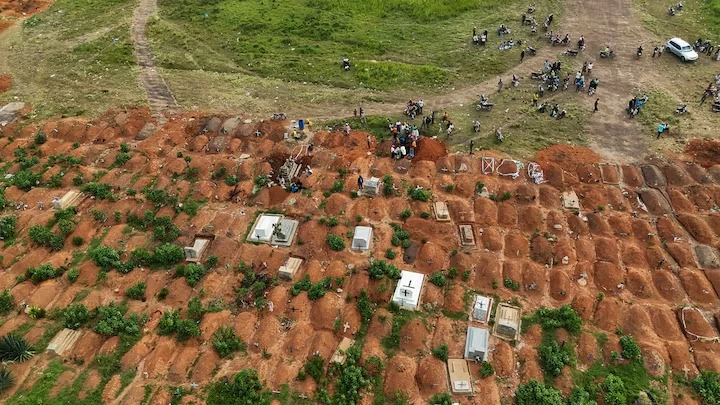
وكشفت مصادر محلية ومنظمات إغاثية أن ما لا يقل عن 30 شخصاً لقوا حتفهم داخل مخيم «كيغونزي» للنازحين في مدينة بونيا منذ بداية مايو، في معدل وفيات وصفه المسؤولون عن المخيم بأنه غير مسبوق مقارنة بالفترات السابقة.
ويقع المخيم في مدينة بونيا، التي تُعد مركز تفشي إيبولا الحالي في الكونغو الديمقراطية، إلّا أن السلطات الصحية لم تتمكن حتى الآن من تأكيد أسباب الوفيات بصورة نهائية، بعدما رفض السكان وعائلات المتوفين لفترة طويلة السماح بإجراء فحوص للمرضى أو للجثامين.
ورغم غياب التأكيد الرسمي، قال مسؤولون محليون وعاملون في المجال الإنساني إن غالبية المتوفين ظهرت عليهم أعراض تتشابه مع أعراض فايروس إيبولا، من بينها الحمى، والصداع، والتقيؤ.
وقال المتحدث باسم المخيم لوكالة رويترز، إن الوضع الحالي غير معتاد إطلاقاً، موضحاً أن المخيم كان يسجل عادة بين حالة وثلاث حالات وفاة فقط شهرياً، بينما شهد الأسبوع الأخير وحده دفن 10 أشخاص.
وتضم منشأة كيغونزي أكثر من 15 ألف نازح، ما يثير مخاوف من انتقال العدوى دون اكتشافها إلى أعداد أكبر من النازحين في شرق الكونغو، إذ يتجاوز عدد الأشخاص الذين أجبرتهم النزاعات على النزوح 5 ملايين شخص.
وأكدت منظمة «كاريتاس» الإنسانية أن فرقها شاهدت عدداً من الجثامين داخل المخيم، بينها أطفال وامرأة حامل، بينما أظهرت مشاهد ميدانية فرقاً صحية ترتدي معدات الوقاية الكاملة أثناء تعقيم الجثامين وتجهيز توابيت لدفن الضحايا.
وأشار عاملون بالإغاثة إلى أن محاولات إقناع السكان بالسماح للأطباء بفحص الجثامين واجهت رفضاً واسعاً، الأمر الذي زاد من تعقيد جهود احتواء المرض.
وكانت السلطات الكونغولية قد أعلنت رسمياً تفشي إيبولا في 15 مايو، لكنها أشارت إلى أن بعض الوفيات بدأت قبل الإعلان الرسمي بأسابيع.
وفي تطور جديد، أوضح مسؤولو المخيم أن فرق الصحة تمكنت أخيراً من أخذ عينات من 5 حالات وفاة، فيما لا تزال نتائج الفحوص قيد الانتظار.
ولا يستبعد خبراء الصحة وجود أمراض أخرى تحمل أعراضاً متشابهة مثل الكوليرا، التي تنتشر سريعاً في البيئات الفقيرة، إلا أن ظروف المخيم الحالية تزيد من احتمالات انتشار الأمراض المعدية.
وقال أحد سكان المخيم، الذي فقد طفلين بينهما رضيع يبلغ 6 أشهر: «هذه ظروف لا ينبغي لأي إنسان أن يعيش فيها.. الناس يموتون الواحد تلو الآخر».
تراجع التمويل يزيد الأزمة تعقيداً
وسلطت منظمات إنسانية الضوء على عامل إضافي قد يفاقم الأزمة، يتمثّل في تراجع التمويل الدولي المخصص لخدمات المياه والصرف الصحي والنظافة، وهي خدمات أساسية لمكافحة الأمراض المعدية مثل إيبولا.
ووفق بيانات أممية، انخفض التمويل المخصص لبناء المراحيض ومحطات غسل اليدين في الكونغو بأكثر من النصف بين عامي 2024 و2025 ليصل إلى نحو 38 مليون دولار، فيما لم تحصل خطة التمويل الحالية سوى على 21% من احتياجاتها.
وتعاني المخيمات من اكتظاظ شديد، إذ تعيش أسر كاملة داخل خيام بلاستيكية متلاصقة، بينما يشترك السكان في عدد محدود من دورات المياه التي تمتلئ سريعاً.
وأشار مسؤولون محليون إلى أن بعض السكان يضطرون لتفريغ المراحيض بأيديهم بسبب نقص الخدمات، وهو ما يزيد خطر انتقال الأمراض.
وتقول منظمات إغاثية إن تقليص برامج المياه والصرف الصحي الممولة أمريكياً خلال العام الأخير أدى إلى تقليص الخدمات المقدمة للنازحين بشكل كبير.
فبعد أن كانت إحدى المنظمات توفر عشرات من نقاط المياه ومئات المراحيض لخدمة أكثر من 125 ألف نازح العام الماضي، تقلّصت الخدمات هذا العام لتغطّي أقل من 19 ألف شخص فقط.
وفي ظل استمرار الوفيات وانتظار نتائج الفحوص، تبقى المخاوف قائمة من تحوّل الوضع داخل المخيم إلى أزمة صحية وإنسانية أوسع نطاقاً في شرق الكونغو.
A wave of rapid deaths within a displaced persons camp in northeastern Democratic Republic of the Congo has raised growing concerns about the potential spread of the Ebola virus at a faster rate than expected, amid extremely difficult humanitarian and health conditions.
Local sources and relief organizations revealed that at least 30 people have died inside the “Kigonzi” camp for displaced persons in the city of Bunia since the beginning of May, in a mortality rate described by camp officials as unprecedented compared to previous periods.
The camp is located in the city of Bunia, which is considered the current epicenter of the Ebola outbreak in the Democratic Republic of Congo. However, health authorities have not yet been able to confirm the causes of the deaths definitively, as residents and families of the deceased have long refused to allow tests on the patients or the bodies.
Despite the lack of official confirmation, local officials and humanitarian workers stated that the majority of the deceased exhibited symptoms similar to those of the Ebola virus, including fever, headache, and vomiting.
The camp spokesperson told Reuters that the current situation is completely unusual, explaining that the camp typically records between one and three deaths per month, whereas the last week alone saw the burial of 10 people.
The Kigonzi facility houses more than 15,000 displaced persons, raising concerns about the potential transmission of the infection undetected to larger numbers of displaced individuals in eastern Congo, where the number of people forced to flee due to conflicts exceeds 5 million.
The humanitarian organization “Caritas” confirmed that its teams have seen several bodies inside the camp, including children and a pregnant woman, while field scenes showed health teams wearing full protective gear while disinfecting the bodies and preparing coffins for the burial of the victims.
Relief workers indicated that attempts to persuade residents to allow doctors to examine the bodies faced widespread refusal, complicating efforts to contain the disease.
The Congolese authorities officially announced the Ebola outbreak on May 15, but indicated that some deaths began occurring weeks before the official announcement.
In a new development, camp officials clarified that health teams have finally managed to take samples from 5 deceased cases, while results of the tests are still pending.
Health experts do not rule out the presence of other diseases with similar symptoms, such as cholera, which spreads rapidly in impoverished environments, but the current conditions of the camp increase the likelihood of infectious disease outbreaks.
One camp resident, who lost two children, including a 6-month-old infant, said: “These are conditions no human should have to live in… people are dying one after another.”
Funding Decline Complicates the Crisis
Humanitarian organizations have highlighted an additional factor that may exacerbate the crisis, which is the decline in international funding allocated for water, sanitation, and hygiene services, essential for combating infectious diseases like Ebola.
According to UN data, funding allocated for building toilets and handwashing stations in Congo has dropped by more than half between 2024 and 2025, reaching about $38 million, while the current funding plan has only received 21% of its needs.
The camps suffer from severe overcrowding, with entire families living in closely packed plastic tents, while residents share a limited number of toilets that fill up quickly.
Local officials noted that some residents are forced to empty the toilets by hand due to a lack of services, which increases the risk of disease transmission.
Relief organizations say that the reduction of U.S.-funded water and sanitation programs over the past year has significantly decreased the services provided to the displaced.
After one organization provided dozens of water points and hundreds of toilets serving more than 125,000 displaced people last year, the services this year have been reduced to cover less than 19,000 people only.
With deaths continuing and test results pending, concerns remain about the potential for the situation within the camp to escalate into a broader health and humanitarian crisis in eastern Congo.