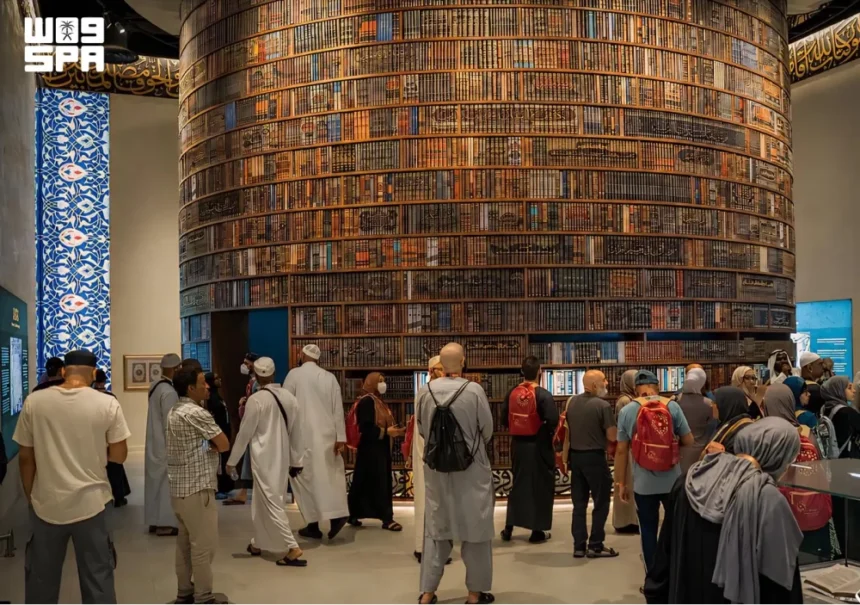
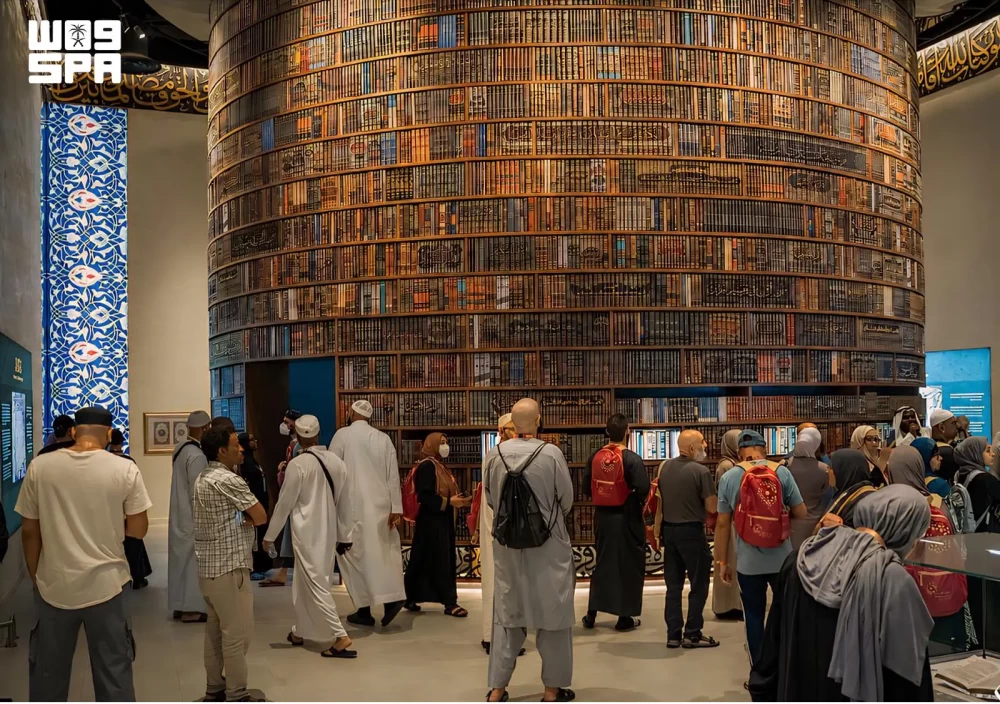
يُجسّد مخطوط قرآني يعود إلى القرن التاسع الهجري يعرضه متحف القرآن الكريم في مكة، جانبًا من ثراء فنون الخط العربي التي ارتبطت بكتابة المصحف والعناية بجمالياته، إذ كُتبت القطعة المعروضة بخط الثلث، أحد أبرز الخطوط العربية التي تميّزت بتكويناتها البصرية المتناسقة ومرونتها الفنية، ويُقدّر تاريخها بالقرن التاسع الهجري، الموافق للقرن الخامس عشر الميلادي.
وتتيح القطعة للزوار فرصة للتعرّف على جانب من تاريخ كتابة المصحف الشريف، وما حظيت به المخطوطات القرآنية عبر العصور الإسلامية من عناية بالخط والزخرفة وجودة التنفيذ، في مشهد يعكس تلاقي القيمة الدينية للمصحف مع القيمة الفنية والتاريخية للمخطوطات التي حفظت نماذج من تطور الكتابة العربية ومدارسها.
ويُعدّ خط الثلث من الخطوط العربية ذات المكانة البارزة في الفنون الإسلامية، لما يتسم به من توازن بين امتداد الحروف وانحناءاتها، وتنوع في أشكالها، وقدرة على تشكيل تراكيب كتابية تجمع بين وضوح العبارة وجمال التكوين، الأمر الذي جعله حاضرًا في كثير من الأعمال الفنية والعمائر الإسلامية واللوحات ذات الطابع الديني.
ويتميز هذا الخط بأحرفه الطويلة وانحناءاته الرشيقة وتداخلاته المدروسة، إلى جانب ما يتطلبه من مهارة عالية في ضبط النسب والمسافات وتناسق الحروف؛ مما أكسبه مكانة خاصة لدى الخطاطين، وجعله من الخطوط التي تُبرز إمكانات الخط العربي في الجمع بين الوظيفة الكتابية والتعبير الجمالي.
وشكّل خط الثلث عبر تاريخه مجالًا للإبداع والتنافس بين الخطاطين، الذين طوّروا أساليبه وتكويناته، واستثمروه في كتابة العناوين والعبارات البارزة والنقوش المعمارية، كما ارتبط استخدامه بالمحاريب والقباب وجدران المساجد والمنشآت الإسلامية، لما يمنحه من حضور بصري مهيب وقدرة على ملء المساحات وتكوين لوحات خطية متكاملة.
ويعكس حضور المخطوطات القرآنية المكتوبة بالخطوط العربية الأصيلة أهمية الحفاظ على التراث الكتابي الإسلامي، بوصفه سجلًا فنيًا وثقافيًا يوثّق تطور الخط العربي، ويبرز مهارات الخطاطين الذين أسهموا في نقل النصوص عبر الأجيال، مع مراعاة الدقة في الكتابة والعناية بالتفاصيل الفنية التي تميّز كل حقبة تاريخية.
A Quranic manuscript dating back to the ninth century Hijri, displayed at the Museum of the Holy Quran in Mecca, embodies a facet of the richness of Arabic calligraphy associated with the writing of the Quran and the care for its aesthetics. The displayed piece is written in the Thuluth script, one of the most prominent Arabic scripts characterized by its harmonious visual compositions and artistic flexibility, estimated to date from the ninth century Hijri, corresponding to the fifteenth century CE.
This piece offers visitors the opportunity to learn about a part of the history of writing the Holy Quran, and the attention that Quranic manuscripts have received throughout Islamic eras in terms of calligraphy, decoration, and quality of execution, in a scene that reflects the convergence of the religious value of the Quran with the artistic and historical value of the manuscripts that preserved examples of the evolution of Arabic writing and its schools.
The Thuluth script is considered one of the prominent Arabic scripts in Islamic arts, due to its balance between the extension of letters and their curves, its variety of forms, and its ability to create written compositions that combine clarity of expression with beauty of form. This has made it present in many artistic works, Islamic architecture, and religious-themed paintings.
This script is characterized by its long letters, graceful curves, and well-considered interconnections, along with the high skill required to control proportions, spacing, and letter harmony; this has granted it a special status among calligraphers and made it one of the scripts that highlight the potential of Arabic calligraphy in combining writing function and aesthetic expression.
Throughout its history, the Thuluth script has formed a field for creativity and competition among calligraphers, who developed its styles and compositions, utilizing it in writing titles, prominent phrases, and architectural inscriptions. Its use is also associated with mihrabs, domes, and the walls of mosques and Islamic structures, due to the majestic visual presence it provides and its ability to fill spaces and create complete calligraphic panels.
The presence of Quranic manuscripts written in authentic Arabic scripts reflects the importance of preserving the Islamic written heritage, as it serves as an artistic and cultural record documenting the evolution of Arabic calligraphy and highlighting the skills of calligraphers who contributed to the transmission of texts across generations, while paying attention to precision in writing and the artistic details that characterize each historical period.