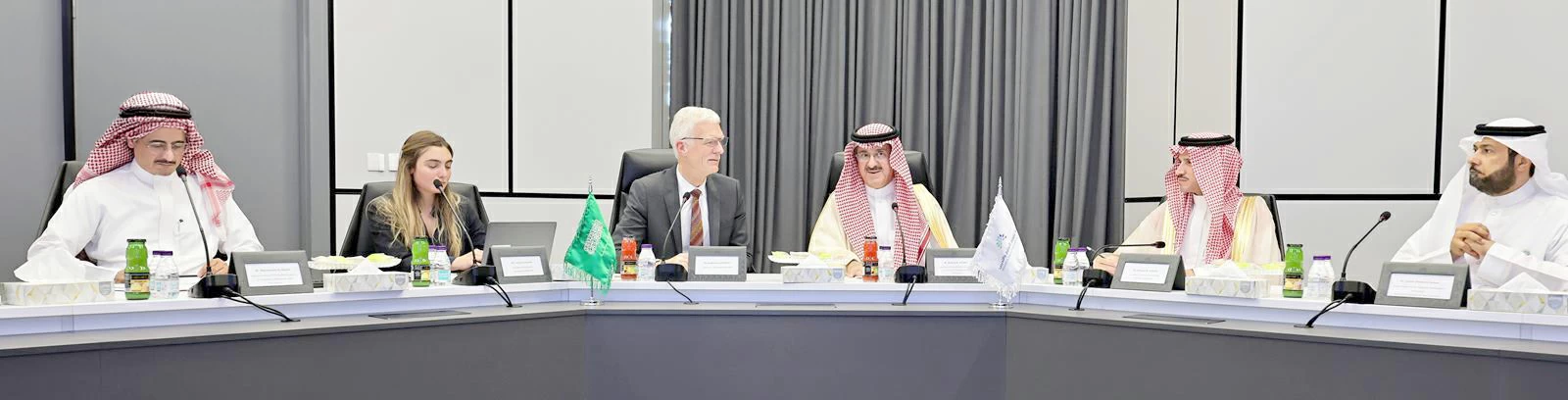
أشاد مدير عام التعليم والمهارات في منظمة التعاون الاقتصادي والتنمية (OECD)، المستشار الخاص للأمين العام للمنظمة لشؤون سياسات التعليم أندرياس شلايشر، بتطور هيئة تقويم التعليم والتدريب في بناء غرفة حالة التعليم والتدريب، مؤكداً أن معظم الأنظمة التعليمية التي يتعامل معها لا تمتلك نموذجاً مماثلاً، وأن الهيئة تتميز بدمج مصادر البيانات وتحويلها إلى تحليلات ومعارف تسهم في تحسين الأداء التعليمي.
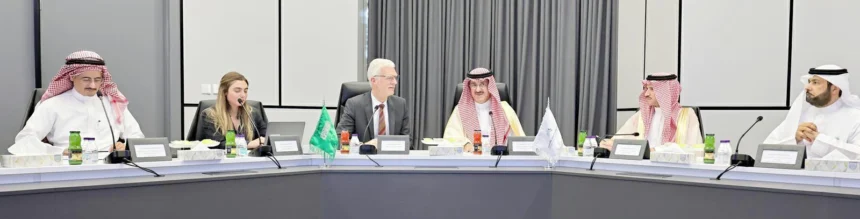
جاء ذلك، خلال لقائه رئيس مجلس إدارة الهيئة الدكتور خالد عبدالله السبتي، واطلاعه على تجربة الهيئة في إدارة بيانات التقويم والقياس ولوحات المعلومات والتحليلات التي توفرها الغرفة.
وأوضح شلايشر، أن تميز التجربة يتمثل في توظيف البيانات وتحليلها لتحسين الممارسات التعليمية، والاستفادة من التقنيات الحديثة، بما فيها الذكاء الاصطناعي، في تفسير النتائج وفهم العوامل المؤثرة فيها، مشيراً إلى انتقال الهيئة من بناء أدوات قياس الأداء ونواتج التعلم، التي وصفها بـ«العيون والأذنين» للنظام التعليمي، إلى تطوير «العقل» القادر على استخلاص المعرفة من البيانات.
وأشار إلى أن الغرفة تدمج البيانات والتحليلات والمؤشرات التنبؤية لتحديد عوامل النجاح ومجالات التحسين، وتقديم رؤى تساعد المدارس وإدارات التعليم على تطوير الأداء، وتوجيه الموارد، ورفع كفاءة المعلمين، وتمكين أولياء الأمور من دعم تعلم أبنائهم.
وأكد، أن تكامل مصادر البيانات وتحويلها إلى رؤى واضحة وقابلة للاستخدام يضع الهيئة في مصاف النماذج المتقدمة عالمياً، قائلاً: «أشعر بانبهار بالغ، يمكنني أن أرى كيف تتقدم الهيئة في آفاق إدارة المعلومات، ليس فقط على مستوى المملكة، بل إن هذه التطورات تجعل الهيئة في طليعة ما نشهده على مستوى العالم».
ولفت إلى أن تجربة غرفة حالة التعليم والتدريب تمثل نموذجاً يمكن للدول الأخرى الاستفادة منه في تطوير قدراتها على توظيف البيانات لتحسين التعليم.
The Director-General of Education and Skills at the Organisation for Economic Co-operation and Development (OECD), the Special Advisor to the Secretary-General of the organisation on education policy, Andreas Schleicher, praised the development of the Education and Training Evaluation Commission in building the Education and Training Status Room, confirming that most educational systems he deals with do not have a similar model, and that the commission stands out by integrating data sources and transforming them into analyses and knowledge that contribute to improving educational performance.
This came during his meeting with the Chairman of the Commission’s Board, Dr. Khalid Abdullah Al-Sabti, where he was briefed on the commission’s experience in managing evaluation and measurement data, dashboards, and the analyses provided by the room.
Schleicher explained that the uniqueness of the experience lies in utilizing and analyzing data to improve educational practices, and leveraging modern technologies, including artificial intelligence, to interpret results and understand the influencing factors. He pointed out that the commission has transitioned from building performance measurement tools and learning outcomes, which he described as the “eyes and ears” of the educational system, to developing the “mind” capable of extracting knowledge from data.
He noted that the room integrates data, analyses, and predictive indicators to identify success factors and areas for improvement, providing insights that help schools and education administrations enhance performance, allocate resources, improve teacher efficiency, and empower parents to support their children’s learning.
He emphasized that the integration of data sources and transforming them into clear and actionable insights places the commission among the world’s advanced models, stating: “I feel a great sense of awe; I can see how the commission is advancing in the horizons of information management, not only at the level of the Kingdom but these developments place the commission at the forefront of what we are witnessing globally.”
He pointed out that the experience of the Education and Training Status Room represents a model that other countries can benefit from in developing their capabilities to utilize data to improve education.