وصف الرئيس الأمريكي دونالد ترمب وقف إطلاق النار مع إيران في يونيو الماضي بأنه «مضيعة للوقت»، مؤكداً أن المواجهة الحالية ستنتهي قريباً، في وقت تتواصل فيه التحركات الدبلوماسية الإقليمية لتجنب تجدد الحرب.
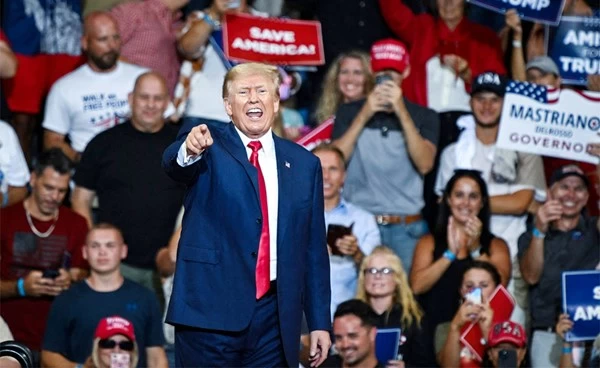
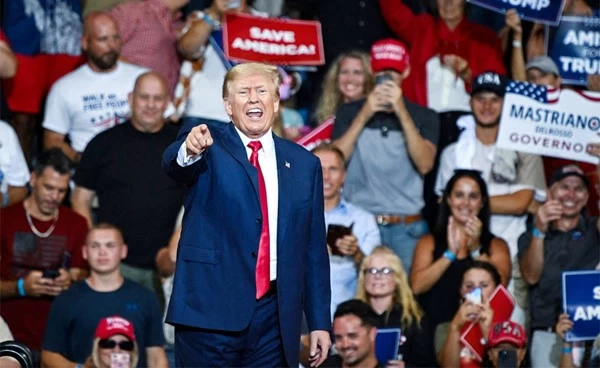
وقال ترمب، خلال تجمع انتخابي لأنصار الحزب الجمهوري في مدينة كورينث بولاية ميسيسيبي، الاثنين، إن الولايات المتحدة «لم يكن أمامها خيار» في المواجهة مع إيران، مضيفاً: «كان ينبغي القيام بذلك منذ وقت طويل، وما يحدث الآن سينتهي قريباً جداً».
وتابع، متحدثاً عن الهدنة السابقة: «وافقنا على وقف قصير لإطلاق النار لم أكن أحبه كثيراً. كنت أعتبره مضيعة للوقت»، مشيراً إلى أن واشنطن سمحت بمرور عدد محدود من السفن عبر مضيق هرمز، قبل أن يضيف أن هذه الخطوة لم تحقق ما كانت الولايات المتحدة تسعى إليه، بحسب تصريحاته.
وتأتي تصريحات ترمب قبل انتخابات التجديد النصفي للكونغرس الأمريكي المقررة في 3 نوفمبر، وفي ظل استمرار الضغوط السياسية والاقتصادية المرتبطة بالحرب وتداعياتها على أسواق الطاقة والملاحة الدولية.
وكان وقف إطلاق النار الذي أُعلن في يونيو قد أوقف المواجهة لفترة وجيزة، لكنه لم يصمد أمام تجدد العمليات العسكرية في يوليو. وأعلن ترمب في 8 يوليو انتهاء الهدنة، بعد استئناف الضربات وتبادل الهجمات المرتبطة بالتصعيد في مضيق هرمز، ما أعاد احتمالات اتساع المواجهة إلى الواجهة.
ويظل المضيق أحد أبرز محاور الأزمة، نظراً إلى موقعه الاستراتيجي بين الخليج العربي وخليج عُمان، ومرور حصة كبيرة من تجارة النفط والغاز الطبيعي المسال العالمية عبره. وأي اضطراب طويل الأمد في الملاحة فيه يمكن أن يرفع تكاليف الشحن والتأمين، ويؤثر في إمدادات الطاقة وأسعارها، بما يتجاوز دول المنطقة.
وفي موازاة التصريحات الأمريكية، شهدت طهران، الاثنين، تحركاً دبلوماسياً إقليمياً، مع وصول مسؤولين من السعودية وباكستان وتركيا لإجراء محادثات بشأن الأمن والاستقرار. وشارك في اللقاء وزير الدفاع السعودي الأمير خالد بن سلمان، وقائد الجيش الباكستاني المشير عاصم منير، ورئيس جهاز الاستخبارات التركي إبراهيم قالن.
وتهدف هذه الاتصالات، بحسب المواقف المعلنة، إلى خفض التصعيد، وتعزيز الحوار والحلول الدبلوماسية، وفتح قنوات للتفاوض تحول دون عودة المواجهة العسكرية الواسعة. وتأتي أهميتها في وقت تواجه فيه السعودية تهديدات أمنية متزايدة على خلفية الهجمات التي يشنها الحوثيون في اليمن، بالتزامن مع اتساع تداعيات الحرب الإقليمية.
وتشكل باكستان إحدى قنوات الوساطة بين واشنطن وطهران، فيما تسعى السعودية وتركيا إلى احتواء المخاطر التي قد تطال أمن المنطقة واستقرارها. غير أن استمرار الخلافات بشأن شروط وقف إطلاق النار ومستقبل الملاحة في مضيق هرمز يجعل فرص التوصل إلى تسوية دائمة مرتبطة بمدى استعداد الأطراف لتقديم تنازلات متبادلة.
U.S. President Donald Trump described the ceasefire with Iran last June as a “waste of time,” asserting that the current confrontation will end soon, as regional diplomatic efforts continue to avoid a renewal of war.
Trump stated during a Republican party rally in Corinth, Mississippi, on Monday that the United States “had no choice” in the confrontation with Iran, adding: “This should have been done a long time ago, and what is happening now will end very soon.”
He continued, speaking about the previous truce: “We agreed to a short ceasefire that I didn’t like much. I considered it a waste of time,” noting that Washington allowed a limited number of ships to pass through the Strait of Hormuz, before adding that this step did not achieve what the United States was aiming for, according to his statements.
Trump’s remarks come ahead of the U.S. congressional midterm elections scheduled for November 3, amid ongoing political and economic pressures related to the war and its repercussions on energy markets and international shipping.
The ceasefire announced in June briefly halted the confrontation but did not withstand the resumption of military operations in July. Trump announced the end of the truce on July 8, after strikes resumed and attacks related to the escalation in the Strait of Hormuz exchanged, bringing the possibility of an expanded confrontation back to the forefront.
The strait remains one of the main focal points of the crisis, given its strategic location between the Arabian Gulf and the Gulf of Oman, with a large share of global oil and liquefied natural gas trade passing through it. Any prolonged disruption in navigation there could raise shipping and insurance costs and impact energy supplies and prices, extending beyond the countries in the region.
Alongside the U.S. statements, Tehran witnessed a regional diplomatic move on Monday, with officials from Saudi Arabia, Pakistan, and Turkey arriving for talks on security and stability. The meeting included Saudi Defense Minister Prince Khalid bin Salman, Pakistani Army Chief General Asim Munir, and Turkish intelligence chief Ibrahim Kalin.
These communications aim, according to the announced positions, to de-escalate tensions, enhance dialogue and diplomatic solutions, and open channels for negotiation to prevent a return to large-scale military confrontation. Their importance comes at a time when Saudi Arabia faces increasing security threats amid attacks by the Houthis in Yemen, coinciding with the widening repercussions of the regional war.
Pakistan serves as one of the mediation channels between Washington and Tehran, while Saudi Arabia and Turkey seek to contain risks that may affect the security and stability of the region. However, the ongoing disagreements over the terms of the ceasefire and the future of navigation in the Strait of Hormuz make the chances of reaching a permanent settlement dependent on the parties’ willingness to make mutual concessions.