
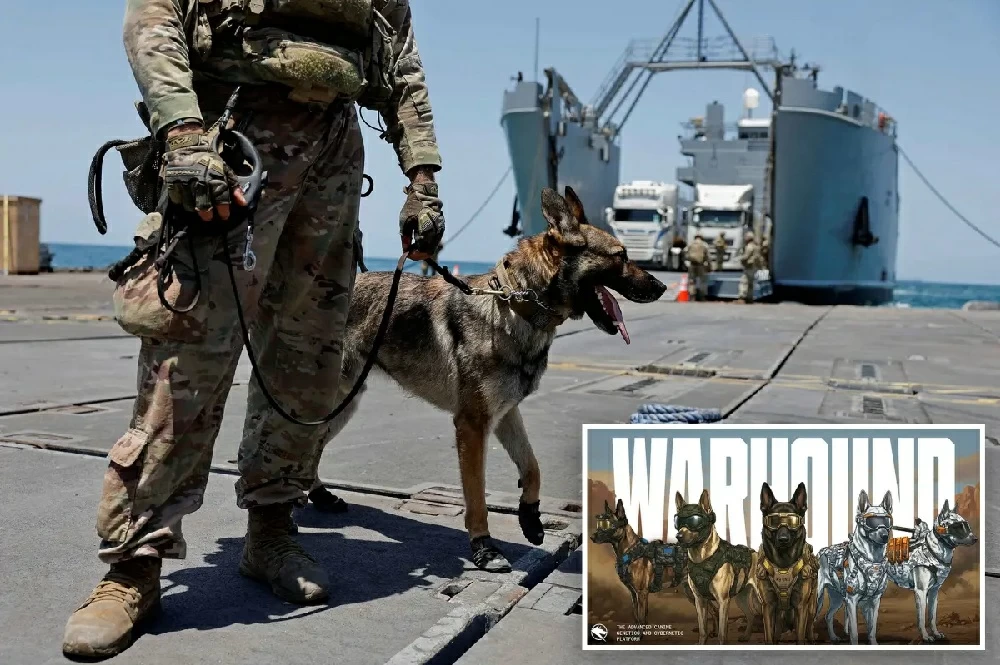
أعاد مشروع أمريكي يهدف إلى تطوير كلاب معدلة وراثياً للأغراض العسكرية والأمنية الجدل حول حدود الهندسة الوراثية واستخدام الحيوانات في المهام القتالية، بعدما نجحت الشركة القائمة عليه في جمع تمويل ضخم تجاوز 200 مليون دولار لدعم المرحلة الأولى من البرنامج.
ويسعى المشروع إلى إنتاج سلالات تتمتع بقدرات بدنية وسلوكية متقدمة عبر الاستفادة من تقنيات تعديل الجينات وتحليل الخصائص الوراثية لكلاب أظهرت أداءً مميزاً في المهام العسكرية؛ تمهيداً لاستخدامها في مجالات الأمن وإنفاذ القانون والاستجابة للطوارئ.
ووفقاً للقائمين على المشروع، فإن الهدف لا يقتصر على رفع كفاءة الكلاب الميدانية، بل يشمل تعزيز قدرتها على العمل جنباً إلى جنب مع المدربين ضمن فرق أكثر فاعلية، مع توقع ظهور أول جيل من الجراء المعدلة وراثياً خلال عام 2027.
وأثارت الفكرة مقارنات واسعة بشخصيات الأبطال الخارقين في الأفلام، وعلى رأسها (كابتن أمريكا)، نظراً لاعتمادها على تحسين القدرات البيولوجية باستخدام التقنيات الجينية، إلا أن هذه المقارنات رافقتها موجة انتقادات حادة على مواقع التواصل الاجتماعي. وتساءل معارضون للمشروع عن الجوانب الأخلاقية المرتبطة بإقحام الحيوانات في المهام العسكرية، فيما دعا آخرون إلى تطوير بدائل تقنية وروبوتية بدلاً من استخدام الكلاب الحية في ساحات العمليات، محذرين من التداعيات المحتملة لمثل هذه التجارب.
ولا يُعد هذا المشروع الأول من نوعه للشركات المنخرطة فيه، إذ سبق لها تنفيذ مبادرات متخصصة في مجالات الهندسة الوراثية وإعادة إحياء أنواع من الحيوانات المنقرضة، ما يعكس التوسع المتسارع في توظيف التقنيات الجينية لأغراض علمية وبحثية مختلفة.
وبين وعود بتطوير قدرات غير مسبوقة للكلاب العاملة وتحفظات أخلاقية متزايدة، يواصل المشروع جذب الأنظار بوصفه أحد أكثر تطبيقات الهندسة الوراثية إثارةً للجدل خلال السنوات الأخيرة.
An American project aimed at developing genetically modified dogs for military and security purposes has reignited the debate over the limits of genetic engineering and the use of animals in combat missions, after the company behind it successfully raised significant funding exceeding $200 million to support the first phase of the program.
The project seeks to produce breeds with advanced physical and behavioral capabilities by leveraging gene editing technologies and analyzing the genetic traits of dogs that have demonstrated exceptional performance in military tasks; paving the way for their use in security, law enforcement, and emergency response fields.
According to the project’s organizers, the goal is not only to enhance the efficiency of field dogs but also to improve their ability to work alongside trainers within more effective teams, with the first generation of genetically modified puppies expected to emerge by 2027.
The idea has sparked widespread comparisons to superhero characters in films, notably Captain America, due to its reliance on enhancing biological capabilities using genetic techniques. However, these comparisons have been accompanied by a wave of sharp criticism on social media. Opponents of the project have questioned the ethical aspects associated with involving animals in military tasks, while others have called for the development of technological and robotic alternatives instead of using live dogs in operational theaters, warning of the potential consequences of such experiments.
This is not the first project of its kind for the companies involved, as they have previously implemented specialized initiatives in the fields of genetic engineering and the revival of extinct animal species, reflecting the accelerating expansion in the use of genetic technologies for various scientific and research purposes.
Amid promises of developing unprecedented capabilities for working dogs and increasing ethical reservations, the project continues to attract attention as one of the most controversial applications of genetic engineering in recent years.