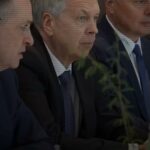
شاركت السعودية في أعمال الاجتماع الثالث الرفيع المستوى للمجموعة العالمية للطاقة الاندماجية، الذي عُقد في العاصمة النمساوية فيينا بجمهورية النمسا، اليوم، بتنظيم من الوكالة الدولية للطاقة الذرية، وبمشاركة ممثلين من الدول الأعضاء والجهات المعنية بمجالات العلوم والتقنيات النووية.
تطوير التقنية الواعدة
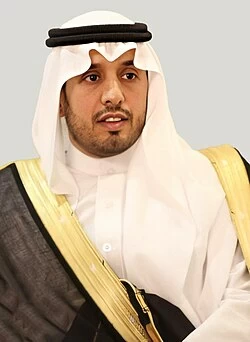
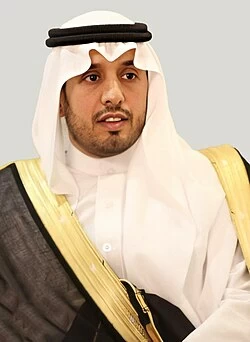
ورأس الرئيس التنفيذي لمدينة الملك عبدالله للطاقة الذرية والمتجددة الأمير الدكتور ممدوح بن سعود بن ثنيان وفد المملكة في الاجتماع، الذي يأتي في إطار الجهود الدولية لتعزيز التعاون وتبادل المعرفة والخبرات في مجال الطاقة الاندماجية، ومناقشة التطورات العلمية والتقنية والفرص والتحديات المرتبطة بتطوير هذه التقنية الواعدة.
وأوضح الأمير ممدوح بن سعود في كلمة ألقاها أن المملكة، انطلاقاً من مستهدفات رؤية السعودية 2030، تولي أهمية لتنويع مزيج الطاقة وتعزيز قدراتها الوطنية في مجالات العلوم والتقنيات المتقدمة، إلى جانب تطوير القدرات البشرية والأطر المؤسسية والتنظيمية في المجالات النووية، بما يهيئ للاستفادة من التقنيات المستقبلية، ويضمن استخدامها بصورة آمنة وفعالة وفق المعايير والالتزامات الدولية.
Saudi Arabia participated in the proceedings of the third high-level meeting of the Global Fusion Energy Group, held today in the Austrian capital Vienna, organized by the International Atomic Energy Agency, with the participation of representatives from member states and stakeholders in the fields of nuclear science and technology.
Developing Promising Technology
The delegation of the Kingdom at the meeting was led by the CEO of the King Abdullah City for Atomic and Renewable Energy, Prince Dr. Mandooh bin Saud bin Thunayan. This meeting is part of international efforts to enhance cooperation and exchange knowledge and experiences in the field of fusion energy, and to discuss scientific and technological developments, as well as the opportunities and challenges associated with the development of this promising technology.
In a speech he delivered, Prince Mandooh bin Saud explained that the Kingdom, in line with the objectives of Saudi Vision 2030, places great importance on diversifying the energy mix and enhancing its national capabilities in advanced science and technology, in addition to developing human capacities and institutional and regulatory frameworks in nuclear fields, to prepare for the utilization of future technologies and ensure their safe and effective use in accordance with international standards and commitments.