كشفت دراسة متخصصة ناقشها منتدى الرياض الاقتصادي، اليوم (الثلاثاء)، عن تحديات مؤسسية تواجه قياس أثر التشريعات والسياسات العامة في المملكة، أبرزها تداخل الاختصاصات والمسؤوليات التنظيمية بين الجهات الحكومية المعنية بإعداد التشريعات وتنفيذها وقياس نتائجها، إلى جانب محدودية الاستفادة من تقنيات الذكاء الاصطناعي والبيانات الضخمة في تحليل آثار السياسات العامة.
وأظهرت الدراسة، التي جاءت بعنوان «قياس أثر التشريعات والسياسات العامة في المملكة العربية السعودية ودورها في تحقيق أهداف التنمية المستدامة»، ضمن أعمال الدورة الثانية عشرة للمنتدى، أن تداخل المسؤوليات بين الجهات الحكومية قد يضعف التنسيق المؤسسي ويؤثر في وضوح الأدوار، فيما لا تزال غالبية عمليات قياس الأثر تعتمد على الأساليب التقليدية في جمع البيانات وتحليلها، مع محدودية استخدام أدوات التحليل التنبؤي والنماذج الذكية لبناء السيناريوهات المستقبلية.
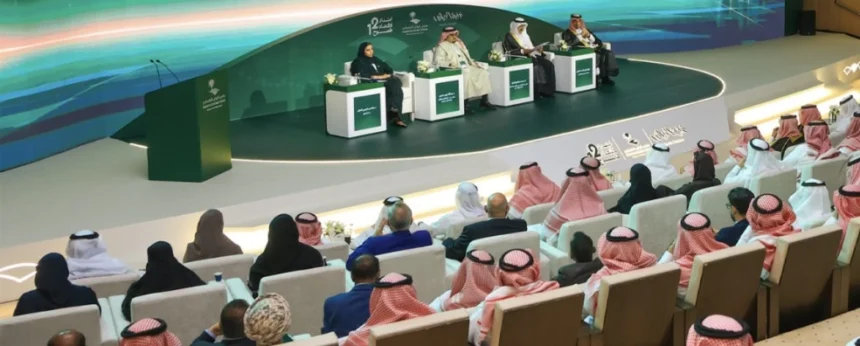
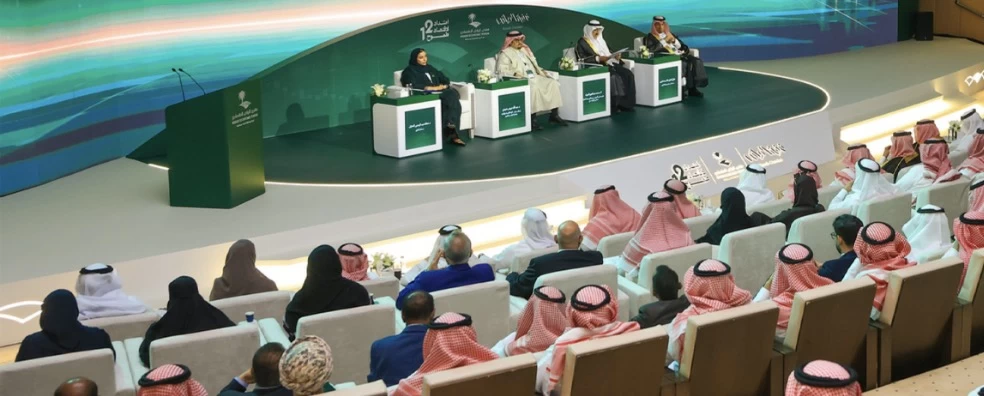
واستعرضت رئيسة فريق الدراسة الدكتورة نجلاء الحقيل، خلال جلسة ترأسها المستشار الخاص لأمير منطقة الرياض الدكتور خالد المقرن، أبرز النتائج والتوصيات الرامية إلى تطوير إطار علمي ومنهجي لقياس الآثار الاقتصادية والاجتماعية والبيئية للتشريعات والسياسات العامة، بما يعزز جودة التشريعات وكفاءة القرارات الحكومية، ويدعم تحقيق مستهدفات رؤية المملكة 2030.
وشهدت الجلسة مشاركة عضو مجلس الشورى سابقاً الدكتور محمد الجرباء، والأستاذ المساعد بكلية الاقتصاد والإدارة بجامعة الملك عبدالعزيز الدكتور عبدالله بن شويش بن ضويحي، إذ ناقش المشاركون أهمية تعزيز التكامل المؤسسي وتوظيف التقنيات الحديثة في قياس الأثر التشريعي، ورفع مستويات الحوكمة والشفافية والمساءلة، بما يسهم في تحسين كفاءة السياسات العامة وتحقيق أهداف التنمية المستدامة.
A specialized study discussed by the Riyadh Economic Forum today (Tuesday) revealed institutional challenges facing the measurement of the impact of legislation and public policies in the Kingdom, the most prominent of which are the overlap of jurisdictions and regulatory responsibilities among the government entities involved in drafting, implementing, and measuring the results of legislation, in addition to the limited utilization of artificial intelligence and big data technologies in analyzing the impacts of public policies.
The study, titled “Measuring the Impact of Legislation and Public Policies in the Kingdom of Saudi Arabia and Their Role in Achieving Sustainable Development Goals,” presented during the twelfth session of the forum, indicated that the overlap of responsibilities among government entities may weaken institutional coordination and affect the clarity of roles, while the majority of impact measurement processes still rely on traditional methods of data collection and analysis, with limited use of predictive analysis tools and smart models to build future scenarios.
During a session chaired by the special advisor to the Emir of the Riyadh Region, Dr. Khalid Al-Muqrin, the head of the study team, Dr. Najla Al-Huqail, reviewed the main findings and recommendations aimed at developing a scientific and methodological framework for measuring the economic, social, and environmental impacts of legislation and public policies, which enhances the quality of legislation and the efficiency of government decisions, and supports the achievement of the objectives of Vision 2030.
The session witnessed participation from former Shura Council member Dr. Mohammed Al-Jarba, and Assistant Professor at the Faculty of Economics and Administration at King Abdulaziz University, Dr. Abdullah bin Shuwish bin Dhuhai, where participants discussed the importance of enhancing institutional integration and employing modern technologies in measuring legislative impact, and raising levels of governance, transparency, and accountability, which contributes to improving the efficiency of public policies and achieving sustainable development goals.