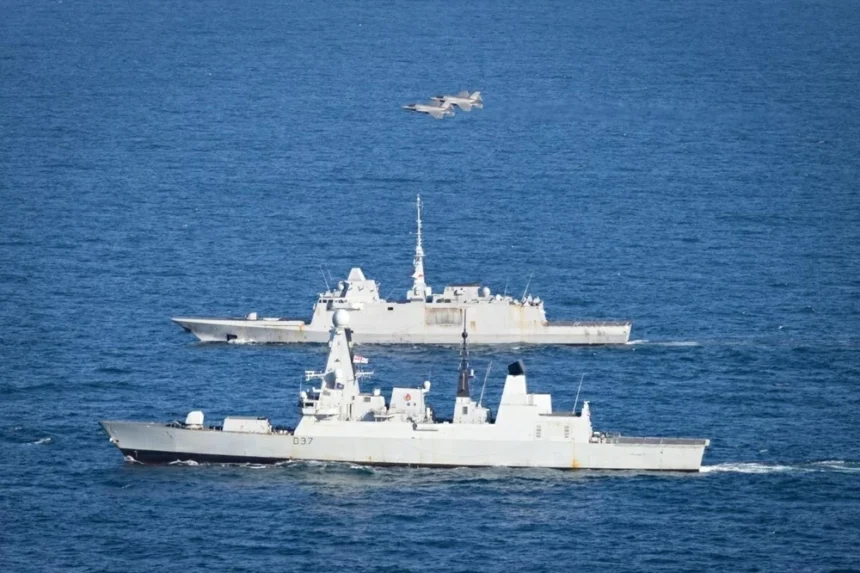
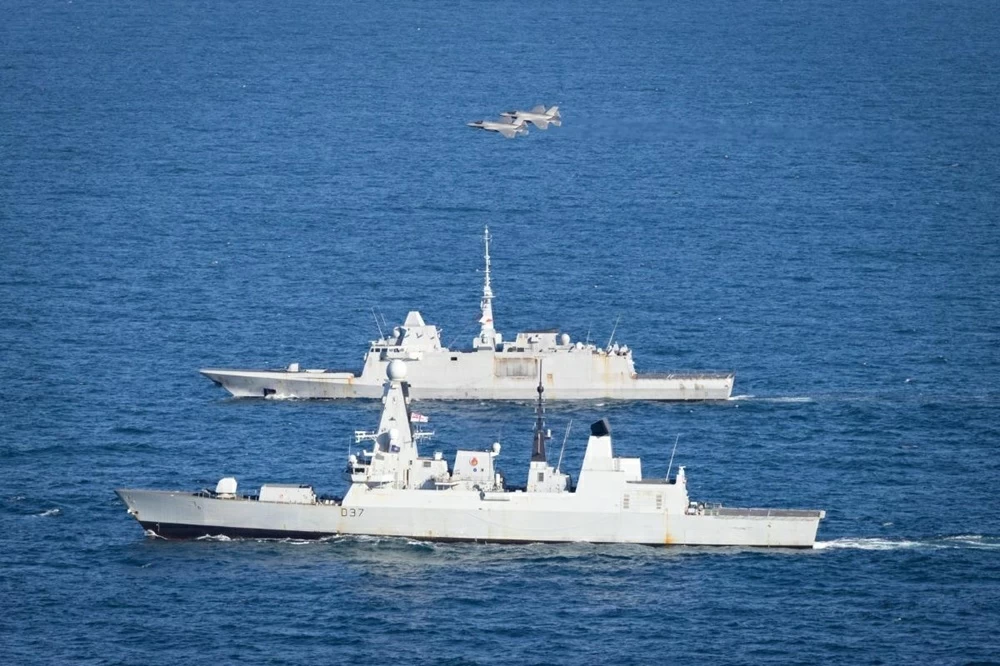
يختبر حلف شمال الأطلسي (الناتو) قدراته القتالية المشتركة في مناورات «ضربة نبتون 26-4»، بمشاركة قوات من 17 دولة عضواً، في تدريبات متعددة المجالات لتعزيز الجاهزية العسكرية والردع والدفاع عن دول الحلف.
وانطلقت المناورات في 16 أكتوبر الجاري، وتستمر حتى 5 نوفمبر القادم، وفق المعلومات الواردة بشأن التدريب، الذي يشمل تنسيق العمليات البحرية والجوية والبرية والسيبرانية والفضائية، واختبار قدرة القوات المشاركة على تنفيذ مهام متكاملة والاستجابة السريعة للأزمات والتهديدات الأمنية.
وتشارك في التدريبات ثلاث مجموعات بحرية رئيسية تقودها إيطاليا وتركيا والمملكة المتحدة، تضم مجموعة حاملة الطائرات الإيطالية، والمجموعة البرمائية التركية التي تشمل السفينة «أناضولو»، إلى جانب مجموعة حاملة الطائرات البريطانية «برنس أوف ويلز»، فضلاً عن مدمرات وفرقاطات وغواصات.
ويتيح هذا الانتشار البحري اختبار التنسيق بين القطع البحرية والطائرات والقوات البرية، بما يشمل تبادل المعلومات وإدارة العمليات المشتركة، وتوظيف القدرات المختلفة ضمن منظومة قيادة وسيطرة موحدة.
وتعكس المناورات توجه الناتو نحو تعزيز قدرته على دمج القوات متعددة الجنسيات والمجالات في عمليات متزامنة، بدلاً من الاعتماد على التحركات البحرية المنفردة، بما يرفع مستوى التنسيق بين القوات المسلحة للدول الأعضاء ويعزز قدرتها على العمل في بيئات عملياتية معقدة.
وتندرج «ضربة نبتون» ضمن سلسلة أنشطة الجاهزية واليقظة المعززة التي ينفذها الحلف، وتركز على دمج قدرات الضربات البحرية المتقدمة لمجموعات حاملات الطائرات والمجموعات البرمائية، ودعم مهام الردع والدفاع وحرية الملاحة.
وتؤدي قيادة القوات البحرية الضاربة والدعم التابعة للناتو (STRIKFORNATO)، ومقرها البرتغال، دوراً رئيسياً في تنسيق هذه الأنشطة، بما يسمح بتشغيل القدرات البحرية الوطنية ضمن إطار عملياتي مشترك، وتعزيز قابلية القوات المتحالفة للعمل معاً.
وتكتسب هذه التدريبات أهمية إستراتيجية في ضوء التحديات الأمنية التي تواجه المنطقة الأوروبية الأطلسية، ولا سيما حماية خطوط الملاحة البحرية الحيوية في شمال الأطلسي والمناطق الشمالية، وضمان حرية الحركة البحرية، وتعزيز قدرة الحلفاء على التعامل مع الأزمات العابرة للمجالات الجغرافية والعسكرية.
كما تمثل حماية البنية التحتية الحيوية تحت سطح البحر وتأمين الممرات البحرية الإستراتيجية من المهام التي تحظى باهتمام متزايد في أنشطة الناتو البحرية، في ظل الأهمية المتنامية للموانئ وخطوط الاتصال والطاقة في أمن الدول الأعضاء.
ويؤكد الحلف أن تعزيز الجاهزية والتشغيل المشترك بين قواته يمثلان ركيزتين أساسيتين لإستراتيجية الردع والدفاع الجماعي، التي تقوم على قدرة الدول الأعضاء على تنسيق مواردها العسكرية والتحرك بصورة متكاملة عند الضرورة.
وتأتي «ضربة نبتون 26-4» ضمن سلسلة تدريبات متكررة خلال عام 2026، بما يعكس استمرار جهود الناتو في اختبار قدراته العملياتية وتطوير التنسيق بين قواته البحرية والجوية والبرية، والحفاظ على مستوى مرتفع من الاستعداد لمواجهة التحديات الأمنية المتغيرة.
NATO is testing its joint combat capabilities in the “Neptune Strike 26-4” exercises, with the participation of forces from 17 member countries, in multi-domain drills aimed at enhancing military readiness, deterrence, and defense of the alliance’s nations.
The exercises began on October 16 and will continue until November 5, according to information regarding the training, which includes coordination of maritime, aerial, land, cyber, and space operations, and testing the ability of the participating forces to carry out integrated missions and respond quickly to crises and security threats.
Three main naval groups are participating in the drills, led by Italy, Turkey, and the United Kingdom, including the Italian aircraft carrier group, the Turkish amphibious group which includes the ship “Anadolu,” along with the British aircraft carrier group “Prince of Wales,” as well as destroyers, frigates, and submarines.
This naval deployment allows for testing the coordination between naval vessels, aircraft, and ground forces, including information sharing and managing joint operations, and employing various capabilities within a unified command and control system.
The exercises reflect NATO’s direction towards enhancing its ability to integrate multinational and multi-domain forces in simultaneous operations, rather than relying on individual naval movements, thereby raising the level of coordination among the armed forces of member states and enhancing their ability to operate in complex operational environments.
“Neptune Strike” is part of a series of enhanced readiness and vigilance activities conducted by the alliance, focusing on integrating advanced maritime strike capabilities of carrier groups and amphibious groups, and supporting deterrence and defense missions as well as freedom of navigation.
The NATO Strike Force (STRIKFORNATO), based in Portugal, plays a key role in coordinating these activities, allowing for the operation of national naval capabilities within a joint operational framework and enhancing the interoperability of allied forces.
These exercises gain strategic importance in light of the security challenges facing the Euro-Atlantic region, particularly the protection of vital maritime shipping lanes in the North Atlantic and northern areas, ensuring freedom of maritime movement, and enhancing the allies’ ability to deal with crises that cross geographical and military domains.
Additionally, the protection of critical underwater infrastructure and securing strategic maritime passages are tasks that are receiving increasing attention in NATO’s naval activities, given the growing importance of ports and lines of communication and energy in the security of member states.
The alliance emphasizes that enhancing readiness and joint operations among its forces are two fundamental pillars of the collective deterrence and defense strategy, which is based on the ability of member states to coordinate their military resources and act in an integrated manner when necessary.
“Neptune Strike 26-4” is part of a series of recurring exercises throughout the year 2026, reflecting NATO’s ongoing efforts to test its operational capabilities and develop coordination among its naval, aerial, and ground forces, while maintaining a high level of readiness to face evolving security challenges.