تستعد فرنسا لموجة احتجاجات واسعة، اليوم (السبت)، يتوقع أن يشارك فيها عشرات الآلاف من الأشخاص، مع انضمام طلاب ونقابيين ومجموعات من حركة «السترات الصفراء» إلى تحركات تستهدف التعبير عن الغضب من ارتفاع الأسعار وتراجع مستوى الخدمات العامة، وسط مخاوف حكومية من اندلاع أعمال عنف واتساع رقعة الاضطرابات.
وبدأت الموجة الأولى من الاحتجاجات الشهر الماضي في مدارس ثانوية بضواحي باريس الشمالية الفقيرة، حيث تحولت الشكاوى من غياب المعلمين وتردي المنشآت التعليمية سريعاً إلى حركة احتجاجية على مستوى البلاد، ترفع مطالب تتعلق بالحد من التفاوت الاجتماعي، وزيادة الإنفاق العام، ووقف تراجع مستويات الخدمات.
وتأتي الاحتجاجات في توقيت حساس بالنسبة إلى فرنسا، مع دخول الرئيس إيمانويل ماكرون المرحلة الأخيرة من ولايته، في ظل انقسام الناخبين وتشرذم المشهد السياسي الداخلي، بالتزامن مع ضغوط مالية متزايدة، بعدما دفع تخلي مستثمرين عن الديون الفرنسية تكاليف الاقتراض إلى أعلى مستوياتها منذ أكثر من عقدين، ما يعكس استمرار الصعوبات التي تواجهها البلاد في ضبط أوضاع ماليتها العامة.
الحكومة الفرنسية تحذر من اضطرابات وعنف
وقال رئيس الوزراء الفرنسي سيباستيان لوكورنو، الخميس، إن السلطات تخشى اندلاع اضطرابات خلال الاحتجاجات، فيما اتهمت الحكومة حزب «فرنسا الأبية» اليساري الراديكالي بتأجيج التحركات، وهو اتهام ينفيه الحزب.
ووصف لوكورنو الأوضاع في البلاد بأنها مرحلة من الإرهاق العام، قائلاً إن فرنسا تعيش أجواء «أزمة مستمرة» بسبب الحروب والتضخم والمشكلات المرتبطة بالقدرة الشرائية.
من جانبه، أعرب جوردان بارديلا، زعيم حزب التجمع الوطني اليميني المتطرف، الذي يتصدر استطلاعات الرأي قبل الانتخابات الرئاسية المقررة العام القادم، عن توقعاته بوقوع أعمال عنف.
وقال بارديلا، خلال زيارة لمعرض باريس للسيارات: «أشعر بقلق بالغ»، مضيفاً أن السبت سيكون «يوماً من الفوضى بالنسبة إلى فرنسا».
إصابة أكثر من 900 شرطي منذ بدء الاحتجاجات
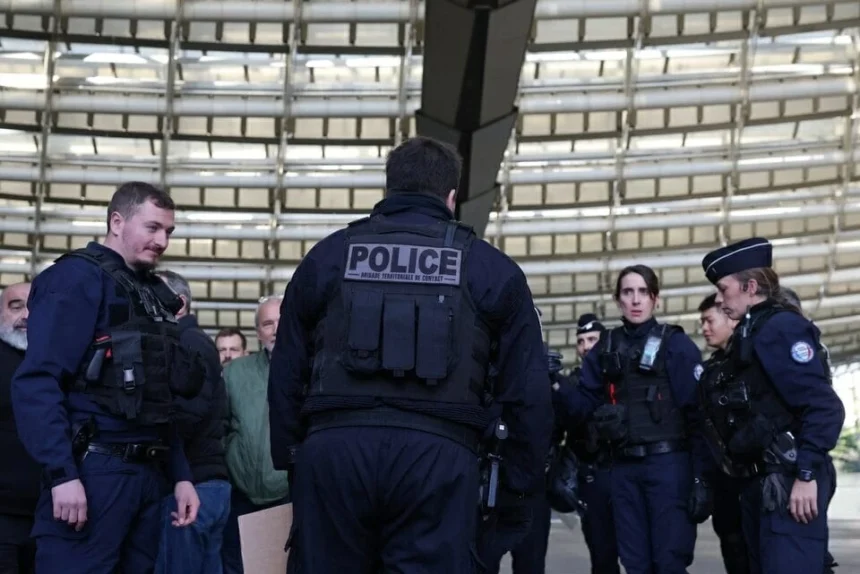
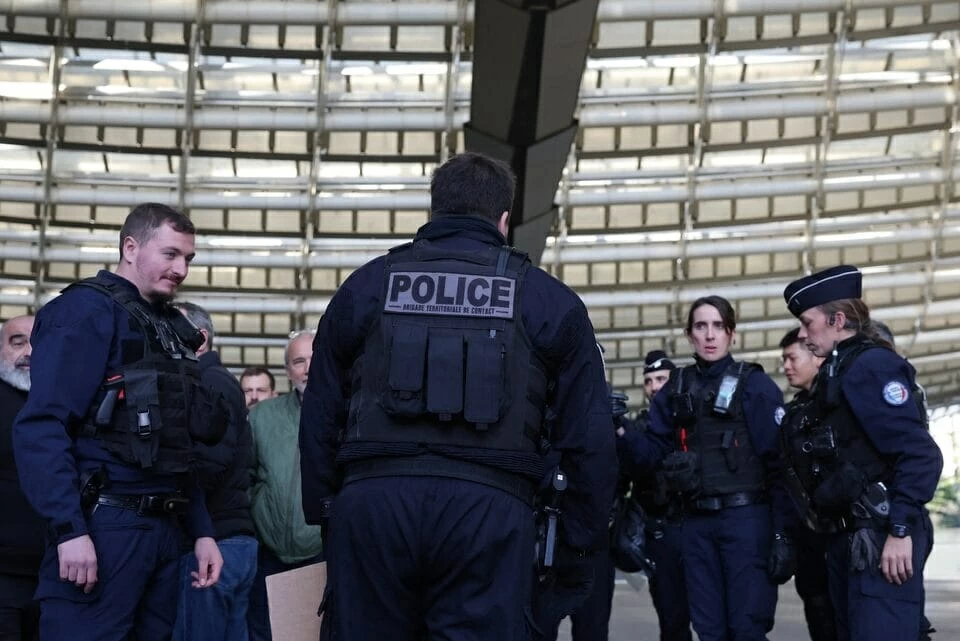
ووصف لوكورنو الاحتجاجات بأنها من بين الأعنف التي شهدتها فرنسا منذ عقود، مشيراً إلى إصابة أكثر من 900 شرطي منذ انطلاقها.
وفي المقابل، تعرضت الشرطة لانتقادات بسبب أساليب تعاملها مع المتظاهرين، في ظل تسجيل إصابات خطيرة، من بينها إصابة مراهق فقد يده بعد التقاطه قنبلة صوتية أو صاعقة.
ويحقق جهاز الرقابة الداخلية المعني بالشرطة في ما لا يقل عن 24 حالة يُشتبه في أنها تتعلق باستخدام العنف من جانب أفراد الشرطة.
وكانت فرنسا قد علقت استخدام القنابل الصوتية خلال المظاهرات الطلابية، لكن وزير الداخلية لوران نونيز قال إن استخدامها يظل ممكناً خلال احتجاجات السبت.
وأوضح نونيز، في تصريحات لبرنامج «تيليماتان» صباح الجمعة، أنه «إذا وقعت اشتباكات، فيمكن استخدام جميع أنواع الأسلحة الوسيطة»، في إشارة إلى الأدوات التي تستخدمها قوات الأمن للسيطرة على الحشود.
«السترات الصفراء» تعود إلى واجهة الاحتجاجات
وتشير الدعوات المتداولة على مواقع التواصل الاجتماعي إلى نجاح محاولات حشد أعضاء حركات احتجاجية سابقة للمشاركة في التحركات الجديدة.
وكانت حركة «السترات الصفراء» قد انطلقت عام 2018 احتجاجاً على الضرائب المفروضة على وقود الديزل، قبل أن تتحول إلى تعبير أوسع عن الغضب من ارتفاع تكاليف المعيشة والتفاوت في الدخل.
لكن نشاط الحركة تراجع بدرجة كبيرة بعد موافقة ماكرون على تقديم تخفيضات ضريبية بمليارات اليورو، قبل أن تعود مطالبها إلى الواجهة مع تصاعد الضغوط المعيشية.
وتكشف هذه المطالب المتداخلة عن اتساع نطاق الغضب في فرنسا، إذ لم تعد الاحتجاجات مقتصرة على أسعار الوقود أو القدرة الشرائية، بل باتت تشمل جودة الخدمات العامة والإنفاق الحكومي والتفاوت الاجتماعي، في وقت تواجه فيه الحكومة تحديات اقتصادية وسياسية متزامنة.
France is preparing for a wide wave of protests today (Saturday), expected to involve tens of thousands of people, with students, union members, and groups from the “Yellow Vests” movement joining actions aimed at expressing anger over rising prices and declining public services, amid government fears of violence and the spread of unrest.
The first wave of protests began last month in high schools in the poor northern suburbs of Paris, where complaints about the absence of teachers and the deterioration of educational facilities quickly transformed into a nationwide protest movement, raising demands related to reducing social inequality, increasing public spending, and stopping the decline in service levels.
The protests come at a sensitive time for France, as President Emmanuel Macron enters the final phase of his term, amid a divided electorate and a fragmented domestic political scene, alongside increasing financial pressures, after investors’ abandonment of French debt pushed borrowing costs to their highest levels in over two decades, reflecting the ongoing difficulties the country faces in managing its public finances.
The French Government Warns of Unrest and Violence
French Prime Minister Élisabeth Borne said on Thursday that authorities fear unrest during the protests, while the government accused the radical left party “La France Insoumise” of fueling the movements, an accusation the party denies.
Borne described the situation in the country as a phase of general fatigue, stating that France is experiencing an atmosphere of “ongoing crisis” due to wars, inflation, and issues related to purchasing power.
For his part, Jordan Bardella, leader of the far-right National Rally party, which tops opinion polls ahead of next year’s presidential elections, expressed his expectations of violence.
Bardella said during a visit to the Paris Motor Show: “I feel extremely concerned,” adding that Saturday will be “a day of chaos for France.”
More than 900 Police Officers Injured Since Protests Began
Borne described the protests as among the most violent France has seen in decades, noting that more than 900 police officers have been injured since they began.
In contrast, the police have faced criticism for their methods of dealing with protesters, amid reports of serious injuries, including a teenager who lost his hand after being struck by a stun grenade or flashbang.
The internal police oversight body is investigating at least 24 cases suspected of involving violence by police officers.
France had suspended the use of stun grenades during student protests, but Interior Minister Laurent Nuñez stated that their use remains possible during Saturday’s protests.
Nuñez clarified in statements to the “Telematin” program on Friday morning that “if clashes occur, all types of intermediate weapons may be used,” referring to the tools used by security forces to control crowds.
The “Yellow Vests” Return to the Forefront of Protests
Calls circulating on social media indicate successful attempts to rally members of previous protest movements to participate in the new actions.
The “Yellow Vests” movement began in 2018 in protest against taxes imposed on diesel fuel, before evolving into a broader expression of anger over rising living costs and income inequality.
However, the movement’s activity significantly declined after Macron agreed to provide tax cuts worth billions of euros, only for its demands to resurface with the increase in living pressures.
These overlapping demands reveal the widening scope of anger in France, as protests are no longer limited to fuel prices or purchasing power, but now encompass the quality of public services, government spending, and social inequality, at a time when the government faces simultaneous economic and political challenges.