


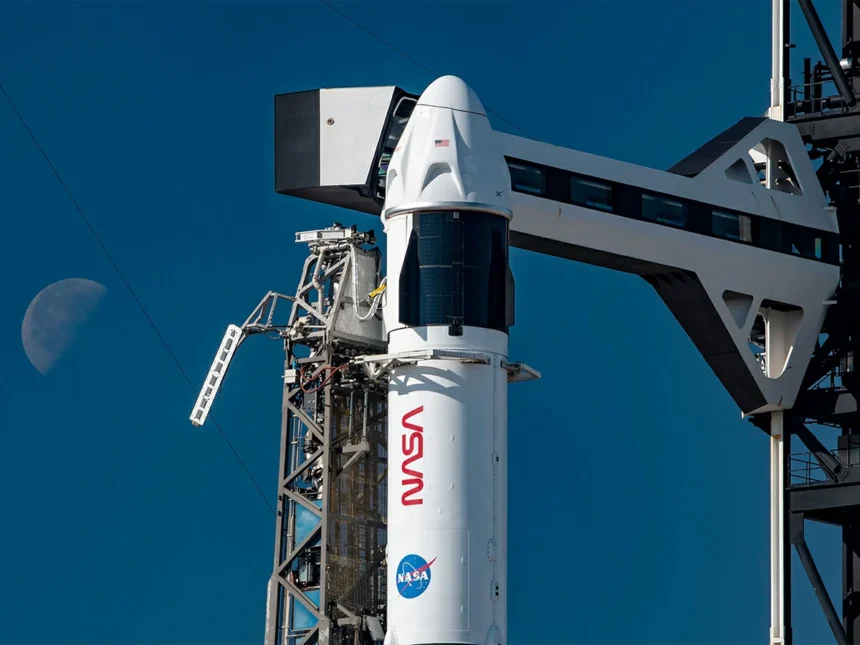
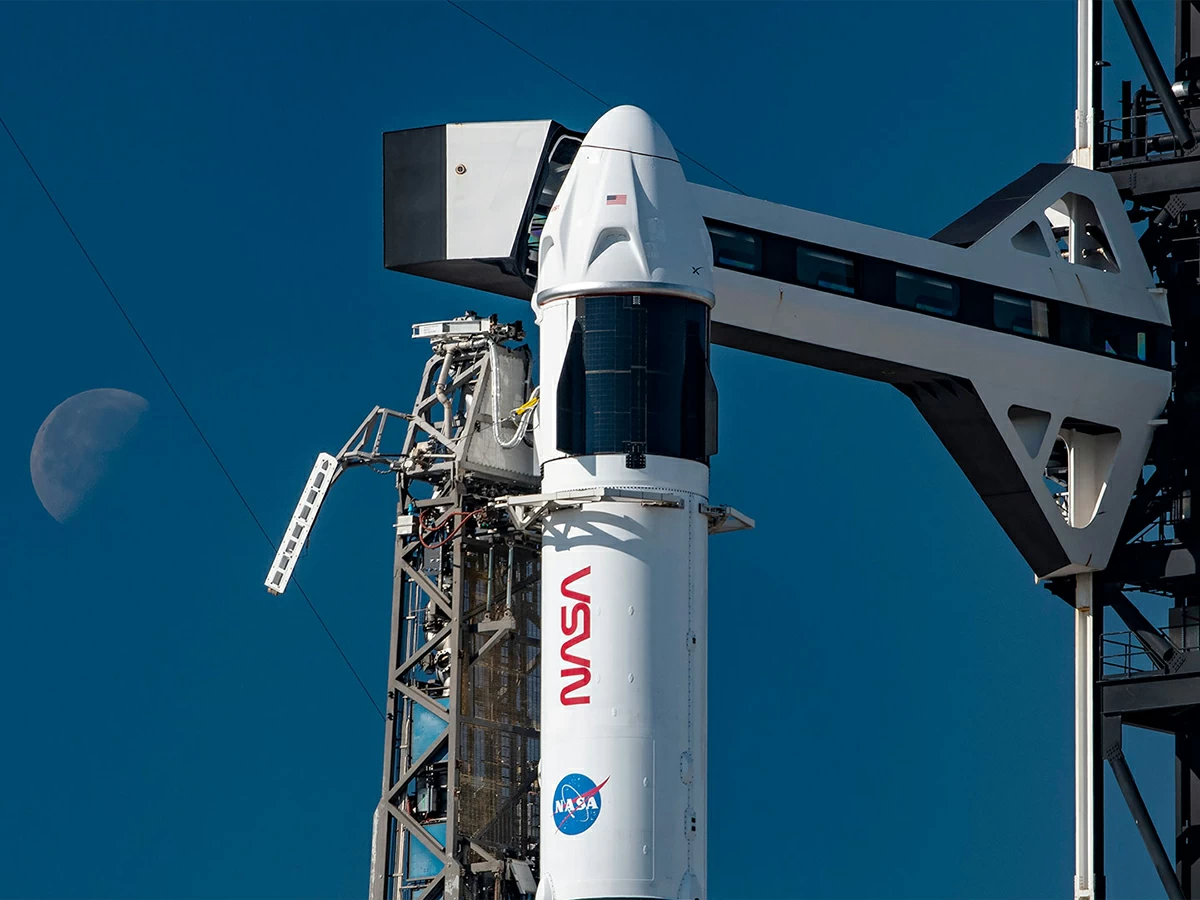
قطعت وكالة الفضاء الأمريكية «ناسا» شوطاً حاسماً نحو إطلاق واحدة من أدق مهماتها المناخية، بعد الإعلان عن اكتمال تجميع واختبار اثنين من الأقمار الصناعية المصغرة الثلاثة التابعة لمهمة «INCUS» الطموحة. وبينما يتواصل العمل على قدم وساق لإنهاء القمر الثالث خلال الأشهر القادمة، تدق ساعة العد التنازلي استعداداً لإرسال هذا «الثلاثي الفضائي» إلى مدار الأرض المنخفض بحلول 2027.
سيمفونية فضائية بفارق ثوانٍ
الإثارة الحقيقية في هذه المهمة لا تكمن فقط في التكنولوجيا، بل في أسلوب حركتها؛ إذ ستعمل الأقمار الثلاثة بتنسيق وهندسة مدارية بالغة الدقة؛ سيفصل بين القمرين الأول والثاني 30 ثانية فقط، و90 ثانية بين القمرين الثاني والثالث. هذا التتابع الزمني الخاطف أشبه بـ«المطاردة السينمائية»، والهدف منه التقاط صور متتالية وسريعة لرصد التطور اللحظي وكيفية «تنفس» العواصف الحملية الاستوائية أثناء تشكلها، وهو ما كان مستحيلاً في السابق.
وتنتج هذه العواصف الاستوائية أكثر من نصف الأمطار التي تهطل على كوكب الأرض، لكنها في الوقت ذاته تتحول إلى وحوش كاسرة تهدد الأرواح والممتلكات. وتهدف «ناسا» من هذه المهمة إلى معرفة «أين ومتى وكيف» تتشكل هذه الأعاصير بدقة غير مسبوقة، ما يمنح مراكز الأرصاد الجوية فرصة ذهبية للتنبؤ المبكر بالظواهر المناخية القاسية.
اختراق جدار العاصفة
ولتحقيق هذا الاختراق العلمي، زود مختبر الدفع النفاث (JPL) التابع لـ«ناسا» هذه الأقمار القزمية بأجهزة رادار متطورة للغاية، وهوائيات شبكية قابلة للنشر، ومقاييس إشعاع ميكروية.
هذه الترسانة التقنية ستسمح للعلماء بـ«تشريح» العاصفة من الداخل عبر قياس الحركة الرأسية الصاعدة والهابطة للهواء والماء داخل السحب، وربط هذه الحركة الآنية بالعوامل البيئية المحيطة مثل درجة الحرارة، الرطوبة، الضغط الجوي، سرعة الرياح، وفور اكتمال اختبار القمر الثالث، سيتم شحن «الكتيبة الفضائية المصغرة» إلى موقع الإطلاق، لتبدأ رحلتها التاريخية في مراقبة وتوثيق أخطر الاضطرابات الجوية على وجه الأرض.
The American space agency “NASA” has made a crucial step towards launching one of its most precise climate missions, following the announcement of the completion of assembly and testing of two of the three miniature satellites belonging to the ambitious “INCUS” mission. While work continues at full speed to finish the third satellite in the coming months, the countdown clock is ticking in preparation for sending this “space trio” into low Earth orbit by 2027.
A Space Symphony with Seconds to Spare
The real excitement in this mission lies not only in the technology but in the way it moves; the three satellites will operate in a highly coordinated and precise orbital engineering manner; there will be only a 30-second gap between the first and second satellites, and 90 seconds between the second and third. This rapid temporal sequence is akin to a “cinematic chase,” aimed at capturing consecutive and rapid images to monitor the real-time development and how tropical convective storms “breathe” as they form, something that was previously impossible.
These tropical storms produce more than half of the rainfall on planet Earth, but at the same time, they can turn into ferocious beasts that threaten lives and property. NASA aims with this mission to know “where, when, and how” these hurricanes form with unprecedented accuracy, providing meteorological centers with a golden opportunity for early predictions of severe weather phenomena.
Breaking Through the Storm Wall
To achieve this scientific breakthrough, NASA’s Jet Propulsion Laboratory (JPL) has equipped these miniature satellites with extremely advanced radar systems, deployable mesh antennas, and microwave radiometers.
This technical arsenal will allow scientists to “dissect” the storm from the inside by measuring the upward and downward vertical motion of air and water within the clouds, linking this instantaneous movement to surrounding environmental factors such as temperature, humidity, atmospheric pressure, wind speed, and once the testing of the third satellite is complete, the “miniature space battalion” will be shipped to the launch site to begin its historic journey in monitoring and documenting the most dangerous weather disturbances on Earth.