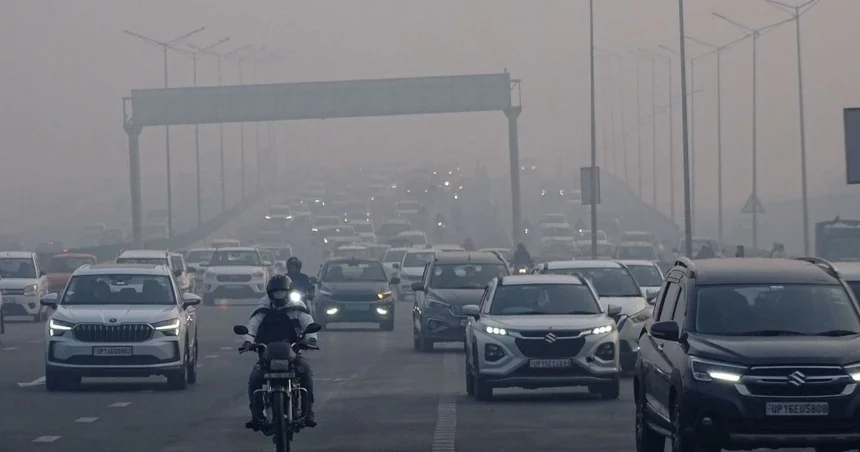
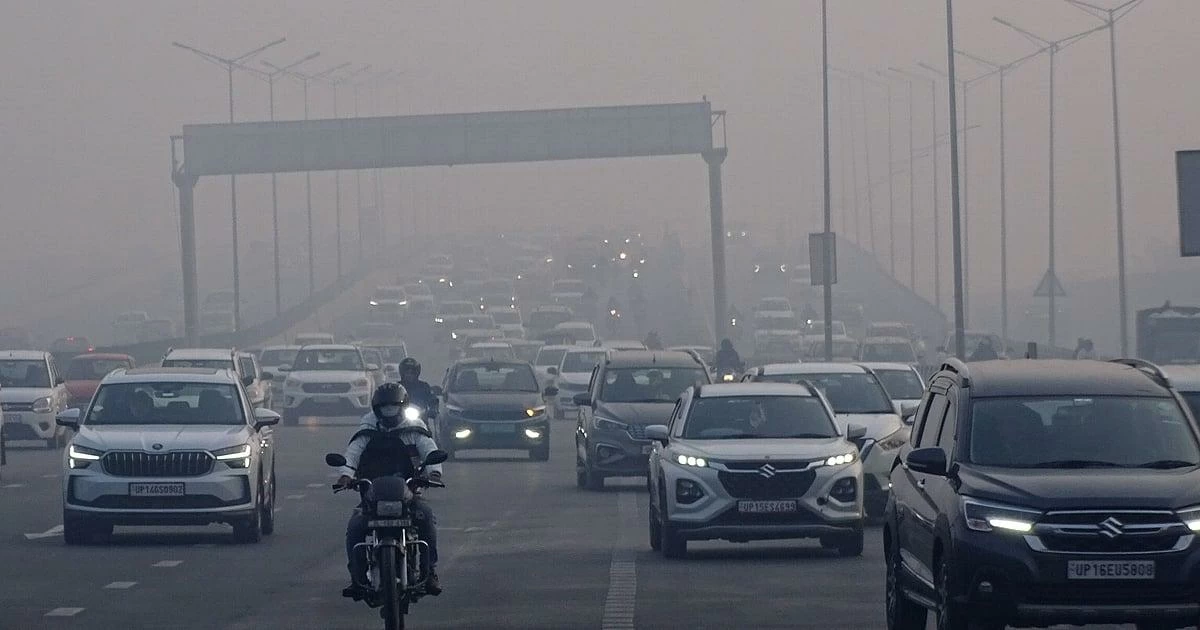
تصدرت العاصمة الهندية نيودلهي قائمة المدن الكبرى الأكثر تلوثاً في العالم، اليوم (الجمعة)، متجاوزة مدينة لاهور الباكستانية، بعدما تدهورت جودة الهواء إلى مستويات خطرة، وسط ضباب دخاني كثيف تسبب في انخفاض مستوى الرؤية في أنحاء المدينة التي يقطنها نحو 20 مليون نسمة.
وبحسب وكالة «رويترز»، سجل مؤشر جودة الهواء في دلهي 334 نقطة، وفق بيانات شركة «آي كيو إير» السويسرية المتخصصة في مراقبة تلوث الهواء، وهو مستوى يصنف ضمن الفئة الخطرة على الصحة.
مستويات تلوث شديدة
وأظهرت بيانات الهيئة المركزية لمكافحة التلوث في الهند ارتفاع مؤشر جودة الهواء إلى 403 نقاط، ضمن فئة التلوث الشديد، مع الإشارة إلى اختلاف مقاييس التصنيف وطرق احتساب المؤشر بين الجهات الهندية والدولية.
وتشير المعايير المستخدمة في قياس جودة الهواء إلى أن القراءات التي لا تتجاوز 50 نقطة تعد جيدة، فيما تعكس المستويات المرتفعة تزايد المخاطر الصحية المرتبطة باستنشاق الملوثات.
ضباب دخاني يحجب الرؤية
وأظهرت مشاهد مصورة سيارات ودراجات نارية تتحرك وسط طبقات كثيفة من الضباب الدخاني، الذي حجب الرؤية جزئياً في الطرق الرئيسية وأضعف وضوح أعمدة الإنارة.
وتشهد العاصمة الهندية والمناطق المجاورة لها ارتفاعاً موسمياً في مستويات التلوث، خصوصاً خلال فصل الشتاء، نتيجة تراكم الانبعاثات بالقرب من سطح الأرض.
أسباب تفاقم التلوث
ويرتبط تدهور جودة الهواء بانبعاثات المركبات والغبار الناتج عن أعمال البناء والدخان المتصاعد من حرق المخلفات الزراعية، إلى جانب الظروف الجوية الشتوية التي تحد من تشتت الملوثات.
وتواجه مناطق شمال الهند وباكستان هذه الظاهرة بصورة متكررة خلال الأشهر الباردة، ما يزيد المخاوف بشأن تأثير تلوث الهواء في صحة السكان، خصوصاً الأطفال وكبار السن والمصابين بأمراض الجهاز التنفسي.
The Indian capital, New Delhi, topped the list of the most polluted major cities in the world today (Friday), surpassing the Pakistani city of Lahore, as air quality deteriorated to hazardous levels amid thick smog that reduced visibility across the city, which is home to around 20 million residents.
According to Reuters, the air quality index in Delhi recorded 334 points, according to data from the Swiss company IQAir, which specializes in monitoring air pollution, a level classified as hazardous to health.
Severe Pollution Levels
Data from the Central Pollution Control Board of India showed that the air quality index rose to 403 points, within the severe pollution category, noting that there are differences in classification metrics and methods of calculating the index between Indian and international entities.
The standards used to measure air quality indicate that readings not exceeding 50 points are considered good, while higher levels reflect increased health risks associated with inhaling pollutants.
Smog Reducing Visibility
Footage showed cars and motorcycles moving through thick layers of smog, which partially obscured visibility on main roads and weakened the clarity of streetlights.
The Indian capital and its surrounding areas experience a seasonal rise in pollution levels, especially during winter, due to the accumulation of emissions near the ground.
Causes of Pollution Escalation
The deterioration of air quality is linked to vehicle emissions, dust from construction activities, and smoke rising from the burning of agricultural waste, in addition to winter weather conditions that limit the dispersion of pollutants.
Regions in northern India and Pakistan face this phenomenon repeatedly during the cold months, raising concerns about the impact of air pollution on the health of residents, particularly children, the elderly, and those suffering from respiratory diseases.