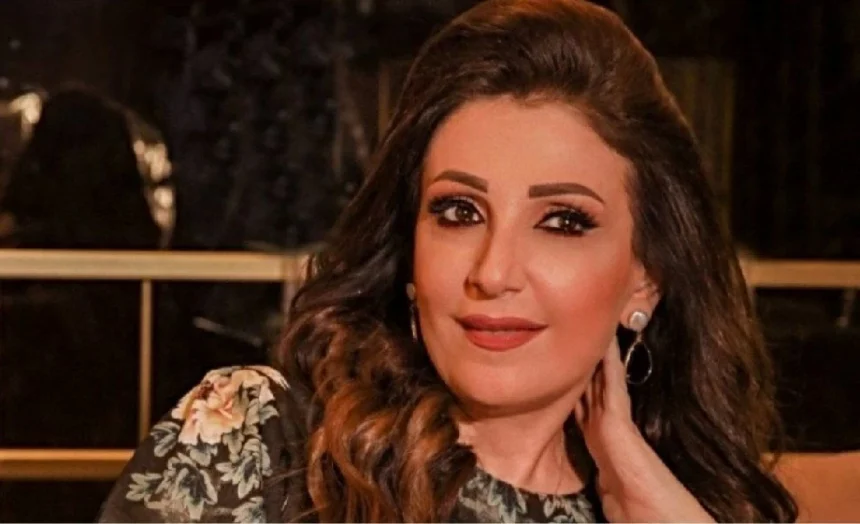
روت الفنانة السورية وفاء موصللي تفاصيل لافتة من كواليس مشاركتها في مسلسل (أيام شامية)، مستعيدةً مشاهد الضرب التي جمعتها بالفنان الراحل خالد تاجا، والتي قالت إنها كانت تُنفذ بواقعية كبيرة أثارت الخوف والألم خلال التصوير.
وجاءت تصريحات موصللي خلال استضافتها في برنامج (المسرح) الذي تقدمه ميسون أبو أسعد، حيث عادت بذاكرتها إلى فترة تصوير العمل الشهير الذي عُرض للمرة الأولى عام 1992، وكشفت جانباً من الكواليس التي ظلت عالقة في ذهنها حتى اليوم.
وأوضحت أنها جسدت في المسلسل شخصية (نزيهة)، بينما أدى خالد تاجا -رحمه الله- دور زوجها (أبو عبده)، ضمن أحد أبرز الخطوط الدرامية التي شكلت محور الأحداث وأسهمت في تصاعد العقدة الرئيسية للعمل. وقالت: إن مشاهد الاعتداء التي جمعتها بالفنانة سامية الجزائري كانت تُنفذ بصورة واقعية للغاية، مشيرة إلى أن الضرب بالعصا تسبب في شعورهما بالألم وترك آثاراً واضحة على الساقين خلال التصوير.
وأضافت أن مخرج العمل حرص على وضع وسادات للحماية والتخفيف من قوة الضربات، إلا أن اندماج خالد تاجا الشديد في الشخصية جعله يواصل أداء المشاهد بحماس كبير، ما أدى إلى وصول بعض الضربات إليهما رغم الاحتياطات المتخذة. وأشارت إلى أن شدة الألم كانت تدفعها وسامية الجزائري أحيانًا إلى البكاء الحقيقي أثناء التصوير، مؤكدةً أن الهدف كان إضفاء أكبر قدر ممكن من الواقعية على الأحداث الدرامية. كما لفتت إلى أن طلب إعادة تصوير تلك المشاهد كان يثير حالة من القلق والخوف لديهما، حتى إنهما كانتا تتبادلان همسات الاعتراض بشكل عفوي كلما طلب المخرج إعادة اللقطة مرة أخرى.
واختتمت حديثها بروح مازحة، مؤكدة أنها لا تعرف حتى الآن ما إذا كان خالد تاجا يتعمّد تلك الواقعية المفرطة أم لا، مضيفةً أنها كانت تشعر أحيانًا بأنه يستمتع بأداء تلك المشاهد، لدرجة أنها وسامية الجزائري كانتا تحاولان دفع إحداهما الأخرى إلى مقدمة المشهد هرباً من تلقي الضربات.
The Syrian artist Wafa Moslelli shared striking details from behind the scenes of her participation in the series (Ayyam Shamiyya), recalling the beating scenes she had with the late artist Khaled Tajah, which she said were executed with great realism that evoked fear and pain during filming.
These statements came during Moslelli’s appearance on the program (Al-Masrah) hosted by Maysoun Abu Assad, where she reminisced about the filming period of the famous work that was first aired in 1992, revealing aspects of the behind-the-scenes that have remained in her mind to this day.
She explained that she portrayed the character (Nazihah) in the series, while Khaled Tajah – may he rest in peace – played her husband (Abu Abdu), within one of the most prominent dramatic lines that formed the core of the events and contributed to the escalation of the main conflict of the work. She mentioned that the assault scenes she had with the artist Samia Al-Jazaeri were executed in a very realistic manner, pointing out that the beating with the stick caused them pain and left clear marks on their legs during filming.
She added that the director of the work was keen to place cushions for protection and to lessen the impact of the blows, but Khaled Tajah’s intense immersion in the character made him continue performing the scenes with great enthusiasm, resulting in some blows reaching them despite the precautions taken. She noted that the intensity of the pain sometimes drove her and Samia Al-Jazaeri to real tears during filming, emphasizing that the goal was to add as much realism as possible to the dramatic events. She also pointed out that the request to reshoot those scenes would create a state of anxiety and fear for both of them, to the extent that they would exchange whispers of objection spontaneously whenever the director asked to reshoot the shot again.
She concluded her talk in a joking spirit, confirming that she still does not know whether Khaled Tajah intentionally aimed for that excessive realism or not, adding that she sometimes felt he enjoyed performing those scenes, to the extent that she and Samia Al-Jazaeri would try to push each other to the front of the scene to escape receiving the blows.