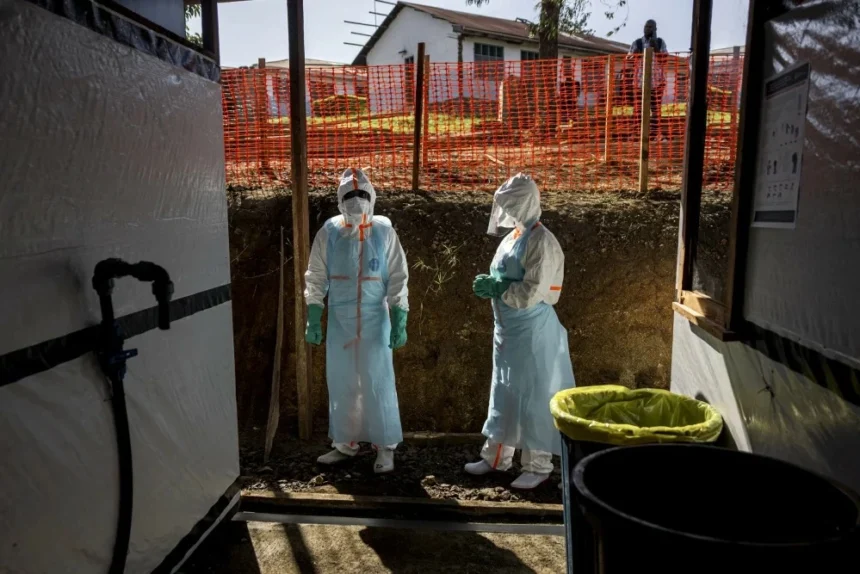
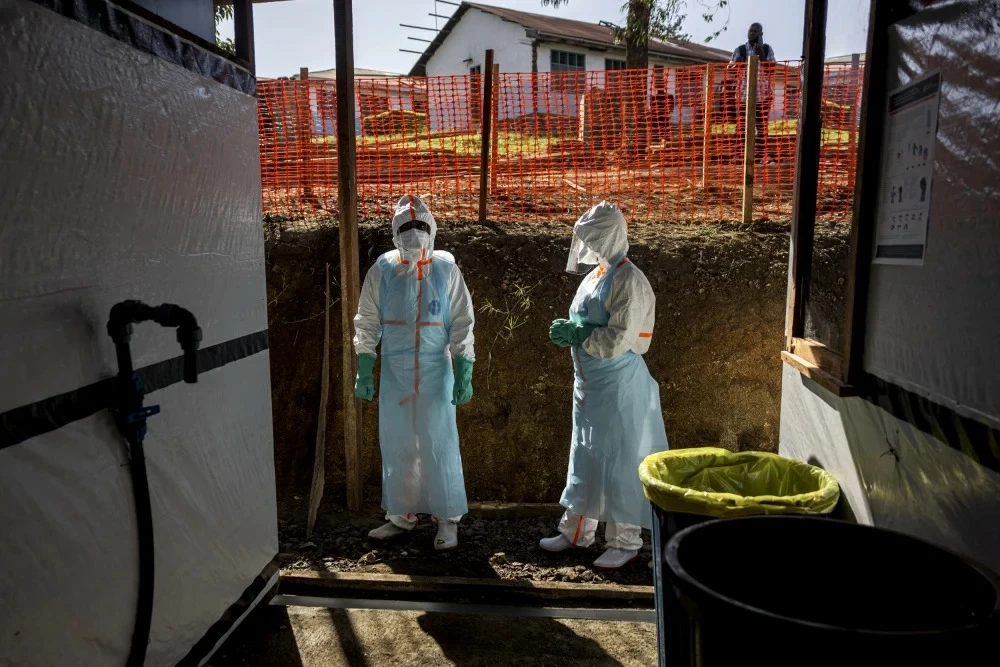
صعّدت إدارة الرئيس الأمريكي دونالد ترمب ضغوطها على الدول الأوروبية مطالبةً إياها بتشديد القيود المفروضة على المسافرين القادمين من الدول الأفريقية المتضررة من تفشي فايروس (الإيبولا)، محذرةً من أن عدم اتخاذ إجراءات إضافية قد يدفع الولايات المتحدة إلى فرض قيود أشد على حركة السفر القادمة من أوروبا.
وأعلنت وزارة الخارجية الأمريكية أن الوزير ماركو روبيو أجرى اتصالاً هاتفياً مع رئيسة المفوضية الأوروبية أورسولا فون دير لاين لبحث سبل التنسيق بين الولايات المتحدة وأوروبا في مواجهة تفشي (الإيبولا) في كل من جمهورية الكونغو الديمقراطية وأوغندا.
وأكدت الوزارة في بيان أن «الأولوية القصوى للولايات المتحدة تتمثل في حماية صحة الشعب الأمريكي ومنع وصول تفشي (الإيبولا) إلى الأراضي الأمريكية».
وفي تصريحات أكثر حدة، قال مسؤول في وزارة الخارجية الأمريكية إن واشنطن «كثفت جهودها» لمواجهة الأزمة الصحية، مضيفاً أن الوقت قد حان لكي يبذل المجتمع الدولي مزيداً من الجهود لمكافحة المرض.
وأوضح المسؤول؛ الذي تحدث شريطة عدم الكشف عن هويته، أن الإدارة الأمريكية تتوقع من الشركاء الأوروبيين اتخاذ خطوات عملية تشمل زيادة المساهمات المالية لمكافحة الوباء، إلى جانب فرض «قيود سفر منطقية» على القادمين من المناطق المتضررة.
وأشار إلى أن استمرار الوضع الحالي دون إجراءات إضافية قد يؤثر في حركة السفر عبر المحيط الأطلسي بين أوروبا والولايات المتحدة.
وتأتي هذه التحركات في وقت تستعد فيه أمريكا الشمالية لاستضافة بطولة كأس العالم لكرة القدم، التي تنطلق (الخميس) في المكسيك وتستمر نحو ستة أسابيع، فيما تستضيف الولايات المتحدة الجزء الأكبر من المباريات.
وكانت إدارة ترمب قد فرضت حظراً على دخول المسافرين الذين تواجدوا في الدول المتأثرة بالإيبولا خلال الأسابيع الثلاثة السابقة لوصولهم إلى الولايات المتحدة، كما بدأت إعداد إجراءات حجر صحي للمواطنين الأمريكيين العائدين من تلك المناطق.
وتشير البيانات إلى أن عدد الرحلات الجوية المباشرة بين أفريقيا والولايات المتحدة محدود نسبياً، في حين يتجاوز عدد الرحلات اليومية المباشرة بين أوروبا والولايات المتحدة 300 رحلة، ما يزيد من المخاوف الأمريكية بشأن انتقال العدوى عبر المسارات الجوية الأوروبية.
وأكدت واشنطن أنها قدمت أكثر من 200 مليون دولار لدعم الجهود الرامية إلى احتواء تفشي المرض في الكونغو الديمقراطية وأوغندا منذ تأكيد ظهور الحالات الشهر الماضي.
في المقابل، أعلن الاتحاد الأوروبي (الثلاثاء) زيادة تمويله المخصص لمواجهة الإيبولا بمقدار 16.5 مليون يورو إضافية، إلى جانب 15 مليون يورو سبق تخصيصها الشهر الماضي لدعم جهود مكافحة الوباء.
وعلى الصعيد الداخلي، واجه الوزير ماركو روبيو انتقادات من أعضاء ديمقراطيين في الكونغرس خلال جلسات استماع الأسبوع الماضي بشأن تفكيك الوكالة الأمريكية للتنمية الدولية وتأثير ذلك على الاستجابة الأمريكية لتفشي الإيبولا.
غير أن روبيو دافع عن سياسات الإدارة، مؤكداً أن برامج الكشف المبكر عن الأمراض جرى دمجها ضمن اتفاقيات صحية مع دول أفريقية، وأن الاستجابة الأمريكية للأزمة «كانت سريعة للغاية» منذ ظهور التفشي الحالي.
The administration of President Donald Trump has intensified its pressure on European countries, demanding that they tighten restrictions on travelers coming from African countries affected by the outbreak of the Ebola virus, warning that failure to take additional measures could lead the United States to impose stricter travel restrictions from Europe.
The U.S. State Department announced that Secretary Marco Rubio had a phone call with European Commission President Ursula von der Leyen to discuss ways to coordinate between the United States and Europe in facing the Ebola outbreak in both the Democratic Republic of the Congo and Uganda.
The department confirmed in a statement that “the top priority for the United States is to protect the health of the American people and prevent the Ebola outbreak from reaching U.S. territory.”
In sharper remarks, a U.S. State Department official stated that Washington has “intensified its efforts” to address the health crisis, adding that the time has come for the international community to make greater efforts to combat the disease.
The official, who spoke on condition of anonymity, explained that the U.S. administration expects European partners to take practical steps, including increasing financial contributions to combat the epidemic, along with imposing “reasonable travel restrictions” on those coming from affected areas.
He pointed out that the continuation of the current situation without additional measures could affect transatlantic travel between Europe and the United States.
These moves come at a time when North America is preparing to host the FIFA World Cup, which kicks off (Thursday) in Mexico and lasts for about six weeks, with the United States hosting the majority of the matches.
The Trump administration had imposed a ban on the entry of travelers who had been in countries affected by Ebola during the three weeks prior to their arrival in the United States, and began preparing quarantine procedures for American citizens returning from those areas.
Data indicates that the number of direct flights between Africa and the United States is relatively limited, while the number of direct daily flights between Europe and the United States exceeds 300, raising American concerns about the transmission of infection through European air routes.
Washington confirmed that it has provided more than $200 million to support efforts to contain the outbreak in the Democratic Republic of the Congo and Uganda since the confirmation of cases last month.
In contrast, the European Union announced (Tuesday) an increase in its funding allocated to combat Ebola by an additional €16.5 million, in addition to the €15 million previously allocated last month to support efforts to combat the epidemic.
Domestically, Secretary Marco Rubio faced criticism from Democratic members of Congress during hearings last week regarding the dismantling of the U.S. Agency for International Development and its impact on the American response to the Ebola outbreak.
However, Rubio defended the administration’s policies, asserting that early disease detection programs have been integrated into health agreements with African countries, and that the U.S. response to the crisis “has been very swift” since the emergence of the current outbreak.