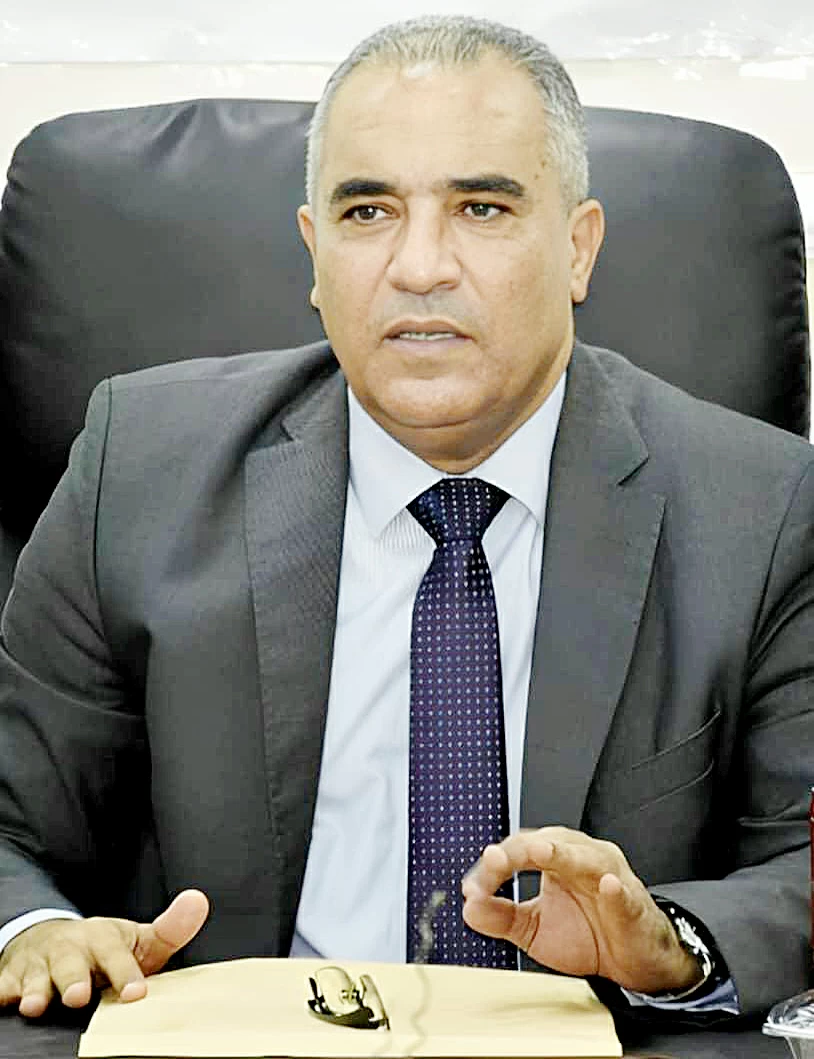
أكد وزير التربية والتعليم اليمني الدكتور عادل عبدالمجيد العبادي، أن الدعم السعودي لقطاع التعليم يحظى بأهمية استثنائية، لأنه يهدف إلى النهوض بواقع البلد، والاستثمار في متطلبات المستقبل الواعد، باعتبار التعليم بوابة العبور إليه، والطريق لاستعادة الأمل وبناء التنمية المستدامة.
واستعرض، في حوار لصحيفة «عكاظ»، عدداً من المشاريع المنجزة ضمن المنح السعودية، شملت تطوير البنية التحتية وبناء المدارس، إلى جانب مشروع الوصول إلى التعليم في الريف، ومشروع الشهادات الدولية في التدريس، ومشروع التمكين الرقمي للمعلم، وبناء 13 مدرسة في محافظتي لحج والضالع، ودفع رواتب 1,570 معلماً في سقطرى، وتوزيع سلال للمعلمين من مركز الملك سلمان، وأشار إلى مشاريع مزمع تنفيذها عبر المنح السعودية الجديدة، مؤكداً أنها إضافة للبنية التحتية التعليمية، وقدمت نموذجاً للشراكة في تحسين حياة المواطن وبناء مؤسسات الدولة.
وسلّط الضوء على تداعيات الحرب الحوثية، مشيراً إلى أن قطاع التعليم هو الأكثر تضرراً بسبب توظيف المليشيات للتعليم لخدمة توجهاتها، وتجريف المناهج، وإدخال مفاهيم طائفية، ومحو التاريخ، وغرس الكراهية، وتحويل المدارس إلى منصات للاستقطاب والتجنيد.
وأكد، أن الوزارة تعمل على استعادة الدور الوطني للتعليم عبر رؤية شاملة تحمي مستقبل الأجيال، وتحافظ على المناهج الوطنية المعتمدة، وتطوّر المحتوى وفق معايير تربوية وعلمية، وتضمن أن يتلقى الطالب تعليماً يحفظ كرامته ويبني قدراته، مشدداً على أن مواجهة هذه الممارسات لا تكون بالخطاب فقط، بل ببناء منظومة تعليمية وطنية قوية قادرة على استعادة الثقة، وفي ما يلي نص الحوار:
قراءة واقعية وشاملة للتعليم
• ضعنا أمام صورة عامة عن واقع التعليم وتقييمكم للعملية التعليمية منذ توليكم الوزارة؟
•• حرصنا على قراءة واقع التعليم قراءة شاملة، بعيداً عن التجميل، فالتعليم في اليمن يواجه ظروفاً فرضتها سنوات الحرب، من أضرار بالبنية التحتية، وتأثر انتظام العملية التعليمية، وأوضاع المعلمين، ونقص الكتاب، واتساع الفجوة في فرص الوصول، ومع ذلك، الصورة ليست قاتمة بالكامل؛ فهناك جهود تبذلها الوزارة والسلطات المحلية والمعلمون والمجتمع، إلى جانب دعم الأشقاء والمنظمات. ولدينا كوادر تربوية قادرة على العمل في الظروف، لكنها بحاجة إلى الدعم والتأهيل، كما أن البنية التعليمية تحتاج إلى إعادة تأهيل وتوسعة، وتقييمنا يقوم على أن التعليم يمتلك مقومات النهوض، لكنه يحتاج إلى استقرار ودعم، ومعالجة الاختلالات المتراكمة وفق رؤية وطنية.
أولويات خلال المرحلة القادمة
• ما أبرز أولوياتكم للارتقاء بواقع التعليم؟
•• أولوياتنا هي حماية حق أبنائنا في التعليم وتحسين جودته، ومعالجة الاختلالات المتراكمة. وتتمثل الأولويات التوسع في إنشاء وتأهيل المدارس، في المناطق الريفية والأكثر احتياجاً، وتحسين فرص الوصول للأطفال غير الملتحقين، ودعم المعلم وتحسين قدراته المهنية، وتطوير المناهج بما يعزز الهوية الوطنية والقيم الإنسانية والتفكير العلمي، وتحسين البيئة، وتعزيز نظم المعلومات، ورفع كفاءة الإدارة، وتعزيز الشراكة مع المانحين والمنظمات والدول الشقيقة، وإعطاء أولوية لتعليم الفتاة والمناطق الريفية، ونؤمن بأن إصلاح التعليم مسار وطني مستمر يحتاج إلى تضافر جهود الدولة والمجتمع والشركاء.
تحديات متعددة تواجه التعليم
• ما أبرز التحديات التي تواجه العملية التعليمية؟
•• التحديات متعددة، في مقدمتها آثار الحرب التي أضعفت البنية التحتية وأثرت على الموارد، كما نواجه نقص المدارس والتجهيزات، وصعوبة وصول الأطفال إلى التعليم، وتسرب الطلاب، واحتياجات المعلمين للتدريب.
وهناك تحديات تتعلق بالتمويل، إذ إن حجم الاحتياجات يفوق الموارد المتاحة، الأمر الذي يتطلب استمرار الدعم الحكومي والدولي، إلى جانب الحاجة إلى تحديث الأنظمة الإدارية، وتعزيز البيانات، وتحقيق قدر أكبر من التنسيق بين الجهات في القطاع.
آثار وتداعيات حرب الحوثي
• ما تأثيرات الحرب الحوثية على واقع التعليم؟
•• قطاع التعليم من أكثر القطاعات تضرراً؛ إذ لحقت أضرار بعدد من المدارس والمنشآت التعليمية، وتعطلت العملية التعليمية جراء النزوح وعدم الاستقرار، ما حدّ من قدرة الأسر على إرسال أبنائها إلى المدارس، وأسهم في اتساع الفجوات التعليمية بين المناطق، والأخطر أن الضرر لم يقتصر على المباني أو انتظام الدراسة، وإنما امتد إلى مضمون العملية التعليمية في المناطق الخاضعة لسيطرة الحوثيين، من خلال التدخل في المناهج والأنشطة وتوظيف التعليم لخدمة توجهات أيديولوجية. وهذا أمر بالغ الخطورة، لأن المدرسة يجب أن تكون مكاناً لبناء شخصية الطالب وتعزيز العلم والتعايش، لا أداة للصراع السياسي أو الطائفي.
انهيار التعليم في مناطق الحوثي
• كيف تقيمون مستويات التعليم في مناطق سيطرة الحوثيين؟
•• هي حالة انهيار وتجريف ممنهج للعملية التعليمية. فالحوثيون لم يكتفوا بتدمير البنية التحتية، بل وجّهوا ضربة لجوهر العملية عبر أدلجة المناهج وتجريفها. فقد أقدموا على تعديلات واسعة على المناهج، لا سيما التربية الإسلامية واللغة العربية والتاريخ، شملت إدخال مفاهيم طائفية، ومحو التاريخ الوطني، وغرس ثقافة العنف والقتال لدى الأطفال، وتحويل المدارس إلى منصات للاستقطاب والتجنيد.
مخاوف توظيف التعليم
• ما مخاطر استخدام الحوثيين للتعليم؟
•• التعليم رسالة بناء، وأخطر ما يمكن أن يحدث هو تحويل المدرسة إلى وسيلة لغرس الكراهية أو التمييز أو الفكر الطائفي. لدينا مخاوف جدية من توظيف التعليم في مناطق سيطرتهم لخدمة خطاب أيديولوجي، سواء عبر التغييرات في المضامين أو الأنشطة المفروضة على الطلاب خارج السياق التربوي السليم.
ونؤكد، أن المناهج يجب أن تكون قائمة على العلم والهوية الوطنية الجامعة، وتعزز المواطنة والتسامح وقبول الآخر، لا الانقسام والتمييز.
• ما رؤية الوزارة لمواجهة ذلك؟
•• رؤيتنا تقوم على استعادة الدور الوطني للتعليم، وحماية المدرسة اليمنية من التسييس والأدلجة. وهذا يتطلب المحافظة على المناهج الوطنية المعتمدة، ومراجعة أي تدخلات غير تربوية، وتعزيز الرقابة والمتابعة، وتطوير المحتوى وفق معايير علمية، وتعزيز وعي المعلمين والإدارات بأهمية تحييد المدرسة عن الصراعات. ونحن لا نواجه هذه الممارسات بالخطاب فقط، بل ببناء منظومة تعليمية وطنية قوية قادرة على استعادة الثقة وحماية الأجيال.
المسؤولية القانونية وحماية التعليم
• ما خلفيات قرار عدم اعتماد الشهادات الصادرة عن مناطق الحوثيين؟
•• موضوع الشهادات حساس، لأنه يرتبط بمستقبل الطلاب وحقوقهم. وتعامل الوزارة معه ينطلق من مسؤوليتها القانونية والفنية في ضمان سلامة الوثائق وصحة البيانات والجهة التي أصدرتها.
والقرار لا يستهدف الطلاب اليمنيين، وإنما يأتي في إطار حماية النظام التعليمي والشهادة اليمنية، والتأكد من استيفاء الوثائق للإجراءات والضوابط الرسمية. ونؤكد أن الطالب لا ينبغي أن يتحمل تبعات الصراع، ولذلك يجب أن تراعي أي إجراءات مستقبل الطلاب، مع الحفاظ على مصداقية الشهادة التعليمية اليمنية.
اليمن والسعودية علاقات تاريخية
• كيف تقيمون العلاقة مع السعودية ومستوى دعمها لليمن؟
•• العلاقة بين اليمن والمملكة علاقة تاريخية وأخوية، وقد أثبتت المملكة خلال السنوات الماضية وقوفها إلى جانب اليمن في مختلف الظروف. والدعم السعودي لم يقتصر على جانب واحد، بل امتد إلى مجالات متعددة، منها التنموي والإنساني والتعليمي. ونحن في وزارة التربية نقدّر هذا الدعم، ونعتبره نموذجاً للشراكة التي تسهم مباشرة في تحسين حياة المواطن وبناء مؤسسات الدولة.
الاستثمار في المدرسة والمعلم
• ما حجم وأهمية الدعم السعودي للتربية والتعليم ؟
•• يحظى الدعم السعودي للتعليم بأهمية استثنائية؛ كونه يجمع بين الاستثمار في المدرسة كمنشأة وتطوير البنية التحتية، والاستثمار في المعلم باعتباره ركيزة العملية التعليمية.
ومن أبرز المشاريع المدرسية المنجزة ضمن المنح السابقة: مدرسة الفقيد محمد أحمد نجيب في لحج، ومدرسة الفقيد الدكتور علوي مبلغ في أبين، ومجمع الحمزة الثانوي في الضالع، ومدرسة نصاب في شبوة.
كما توجد ضمن المنحة الجديدة مشاريع ستنفذ، تشمل مجمعاً تعليمياً للبنات في مأرب، ومدرسة في رأس العارة بلحج، ومدرسة في الجليلة بالضالع، ومدرسة في زنجبار بأبين، ومدرسة في الصعيد بشبوة، ومن المشاريع والأنشطة المنجزة بتمويل سعودي، مشروع الوصول إلى التعليم في الريف (النسختان الأولى والثانية)، ومشروع الشهادات الدولية المهنية في التدريس، ومشروع التمكين الرقمي للمعلم اليمني، وبناء 13 مدرسة في لحج والضالع، ودفع رواتب 1,570 معلماً في سقطرى، وتوزيع سلال غذائية للمعلمين من مركز الملك سلمان، وهذا النوع من الدعم مهم جداً لأنه يجمع بين الاستثمار في المدرسة والاستثمار في المعلم.
تعاون وتنسيق مستمر مع السعودية
• وماذا عن التنسيق والتعاون مع السعودية في مجال التربية والتعليم؟
•• هناك تعاون وتنسيق مستمر، وننظر إليه باعتباره شراكة تنموية وتعليمية لا مجرد مساعدات. ونحن حريصون على تعزيز التواصل مع الجهات السعودية المعنية، والاستفادة من الخبرات، وتوجيه الدعم نحو الأولويات الفعلية، والمرحلة القادمة نريد أن تشهد مزيداً من التنسيق، خصوصاً في تطوير البنية التحتية، وتأهيل المعلمين، والتحول الرقمي، وتحسين فرص الوصول، ودعم المناطق الريفية والأكثر احتياجاً. واستمرار الدعم السعودي وتطويره وفق الاحتياجات الفعلية سيكون له أثر كبير في مساعدة الوزارة على تنفيذ أولوياتها.
التعليم أمن قومي
• ما الذي تودّ قوله في نهاية الحوار؟
•• التعليم ليس قطاعاً خدمياً فحسب، وإنما قضية وطنية وأمن قومي ومستقبل أجيال. وما نحتاجه اليوم هو تكاتف جهود الدولة والمجتمع والقطاع الخاص والأشقاء والأصدقاء والمنظمات الدولية لبناء تعليم يمني قوي، يحافظ على هوية اليمن الجامعة، ويمنح أبناءنا المعرفة والمهارات لبناء مستقبل أفضل، ونحن في وزارة التربية ماضون في أداء مسؤوليتنا، ونسعى إلى أن يكون كل دعم يصل إلى التعليم موجهاً نحو أولوية حقيقية واحتياج فعلي، وأن يتحول إلى مدارس أفضل، ومعلمين أكثر تأهيلاً، وفرص تعليم أكبر لأطفال اليمن.
The Yemeni Minister of Education, Dr. Adel Abdulmajid Al-Abadi, confirmed that Saudi support for the education sector is of exceptional importance, as it aims to improve the reality of the country and invest in the requirements of a promising future, considering education as the gateway to it and the path to restoring hope and building sustainable development.
In an interview with the newspaper “Okaz,” he reviewed several completed projects under Saudi grants, which included developing infrastructure and building schools, in addition to the project for access to education in rural areas, the international certification project for teaching, the digital empowerment project for teachers, building 13 schools in the Lahij and Al-Dhale’e governorates, paying salaries for 1,570 teachers in Socotra, and distributing food baskets for teachers from the King Salman Center. He pointed to projects planned to be implemented through new Saudi grants, confirming that they add to the educational infrastructure and provide a model for partnership in improving citizens’ lives and building state institutions.
He highlighted the repercussions of the Houthi war, noting that the education sector is the most affected due to the militias’ use of education to serve their agendas, the uprooting of curricula, the introduction of sectarian concepts, the erasure of history, the instillation of hatred, and the transformation of schools into platforms for recruitment and indoctrination.
He affirmed that the ministry is working to restore the national role of education through a comprehensive vision that protects the future of generations, maintains the approved national curricula, develops content according to educational and scientific standards, and ensures that students receive an education that preserves their dignity and builds their capabilities, emphasizing that confronting these practices cannot be done through rhetoric alone, but by building a strong national educational system capable of restoring trust. Below is the text of the interview:
A Realistic and Comprehensive Reading of Education
• Can you provide us with a general picture of the reality of education and your assessment of the educational process since you took over the ministry?
•• We have been keen to read the reality of education comprehensively, away from embellishment. Education in Yemen faces circumstances imposed by years of war, including damage to infrastructure, the impact on the regularity of the educational process, the conditions of teachers, a shortage of books, and an expanding gap in access opportunities. Nevertheless, the picture is not entirely bleak; there are efforts being made by the ministry, local authorities, teachers, and the community, alongside support from brothers and organizations. We have educational cadres capable of working under these conditions, but they need support and training. The educational infrastructure also needs rehabilitation and expansion. Our assessment is that education has the components for revival, but it needs stability and support, and addressing accumulated imbalances according to a national vision.
Priorities for the Coming Phase
• What are your main priorities for improving the reality of education?
•• Our priorities are to protect our children’s right to education and improve its quality, as well as to address accumulated imbalances. The priorities include expanding the establishment and rehabilitation of schools in rural and most needy areas, improving access opportunities for out-of-school children, supporting teachers and enhancing their professional capabilities, developing curricula that reinforce national identity, human values, and scientific thinking, improving the environment, enhancing information systems, raising management efficiency, strengthening partnerships with donors, organizations, and brotherly countries, and prioritizing girls’ education and rural areas. We believe that educational reform is a continuous national path that requires the concerted efforts of the state, society, and partners.
Multiple Challenges Facing Education
• What are the main challenges facing the educational process?
•• The challenges are numerous, foremost among them the effects of the war, which weakened infrastructure and affected resources. We also face a shortage of schools and equipment, difficulties in children’s access to education, student dropouts, and teachers’ training needs.
There are challenges related to funding, as the volume of needs exceeds available resources, which requires continued government and international support, in addition to the need to update administrative systems, enhance data, and achieve greater coordination among entities in the sector.
Effects and Repercussions of the Houthi War
• What are the effects of the Houthi war on the reality of education?
•• The education sector is one of the most affected sectors; several schools and educational facilities have been damaged, and the educational process has been disrupted due to displacement and instability, which limited families’ ability to send their children to schools and contributed to widening educational gaps between regions. More dangerously, the damage has not been limited to buildings or the regularity of classes, but has extended to the content of the educational process in areas under Houthi control, through interference in curricula and activities and using education to serve ideological agendas. This is extremely dangerous, as schools should be places for building students’ personalities and enhancing knowledge and coexistence, not tools for political or sectarian conflict.
The Collapse of Education in Houthi Areas
• How do you assess the levels of education in Houthi-controlled areas?
•• It is a case of collapse and systematic uprooting of the educational process. The Houthis have not only destroyed the infrastructure but have also dealt a blow to the essence of the process by ideologizing and uprooting curricula. They have made extensive modifications to the curricula, especially in Islamic education, Arabic language, and history, including the introduction of sectarian concepts, the erasure of national history, the instillation of a culture of violence and fighting among children, and the transformation of schools into platforms for recruitment and indoctrination.
Concerns about the Use of Education
• What are the risks of the Houthis using education?
•• Education is a building message, and the most dangerous thing that can happen is to turn the school into a means of instilling hatred or discrimination or sectarian thought. We have serious concerns about the use of education in their controlled areas to serve an ideological discourse, whether through changes in content or activities imposed on students outside the proper educational context.
We emphasize that curricula should be based on science and a unifying national identity, promoting citizenship, tolerance, and acceptance of others, not division and discrimination.
• What is the ministry’s vision to confront this?
•• Our vision is based on restoring the national role of education and protecting the Yemeni school from politicization and ideologization. This requires maintaining the approved national curricula, reviewing any non-educational interventions, enhancing oversight and follow-up, developing content according to scientific standards, and raising teachers’ and administrations’ awareness of the importance of neutralizing schools from conflicts. We do not confront these practices with rhetoric alone, but by building a strong national educational system capable of restoring trust and protecting generations.
Legal Responsibility and Protecting Education
• What are the backgrounds of the decision not to recognize certificates issued from Houthi areas?
•• The issue of certificates is sensitive, as it is related to students’ futures and their rights. The ministry’s handling of it stems from its legal and technical responsibility to ensure the integrity of documents and the accuracy of data and the issuing authority.
The decision does not target Yemeni students; rather, it comes within the framework of protecting the educational system and the Yemeni certificate, ensuring that documents meet official procedures and regulations. We affirm that students should not bear the consequences of the conflict, and therefore any measures must consider the future of students while maintaining the credibility of the Yemeni educational certificate.
Yemen and Saudi Arabia: Historical Relations
• How do you assess the relationship with Saudi Arabia and the level of its support for Yemen?
•• The relationship between Yemen and the Kingdom is a historical and brotherly one, and the Kingdom has proven its support for Yemen in various circumstances over the past years. Saudi support has not been limited to one aspect but has extended to multiple fields, including developmental, humanitarian, and educational. We in the Ministry of Education appreciate this support and consider it a model of partnership that directly contributes to improving citizens’ lives and building state institutions.
Investing in Schools and Teachers
• What is the size and importance of Saudi support for education?
•• Saudi support for education is of exceptional importance, as it combines investment in schools as facilities and developing infrastructure, and investing in teachers as the cornerstone of the educational process.
Among the most notable school projects completed under previous grants are the late Mohammed Ahmed Najib School in Lahij, the late Dr. Alawi Meblagh School in Abyan, the Al-Hamza Secondary Complex in Al-Dhale’e, and the Nasab School in Shabwa.
There are also projects within the new grant that will be implemented, including an educational complex for girls in Marib, a school in Ras Al-Ara in Lahij, a school in Al-Jalilah in Al-Dhale’e, a school in Zinjibar in Abyan, and a school in Al-Saeed in Shabwa. Among the projects and activities completed with Saudi funding are the rural education access project (first and second editions), the international professional certification project in teaching, the digital empowerment project for Yemeni teachers, building 13 schools in Lahij and Al-Dhale’e, paying salaries for 1,570 teachers in Socotra, and distributing food baskets for teachers from the King Salman Center. This type of support is very important because it combines investment in schools and investment in teachers.
Continuous Cooperation and Coordination with Saudi Arabia
• What about coordination and cooperation with Saudi Arabia in the field of education?
•• There is continuous cooperation and coordination, which we view as a developmental and educational partnership, not just assistance. We are keen to enhance communication with the relevant Saudi authorities, benefit from experiences, and direct support towards actual priorities. In the coming phase, we want to see more coordination, especially in developing infrastructure, training teachers, digital transformation, improving access opportunities, and supporting rural and most needy areas. The continuation and development of Saudi support according to actual needs will have a significant impact on helping the ministry implement its priorities.
Education as National Security
• What would you like to say at the end of the interview?
•• Education is not just a service sector; it is a national issue, a matter of national security, and the future of generations. What we need today is the concerted efforts of the state, society, the private sector, brothers, friends, and international organizations to build a strong Yemeni education that preserves Yemen’s unifying identity and provides our children with the knowledge and skills to build a better future. We in the Ministry of Education are committed to fulfilling our responsibility and striving to ensure that all support reaching education is directed towards a genuine priority and actual need, transforming it into better schools, better-qualified teachers, and greater educational opportunities for the children of Yemen.