حذر وزير الدفاع الأمريكي بيت هيغسيث من تنامي القدرات العسكرية الصينية، داعياً حلفاء الولايات المتحدة في آسيا إلى رفع إنفاقهم الدفاعي لمواجهة ما وصفه بالتوسع العسكري المتسارع لبكين والحفاظ على توازن القوى في منطقة آسيا والمحيط الهادئ.
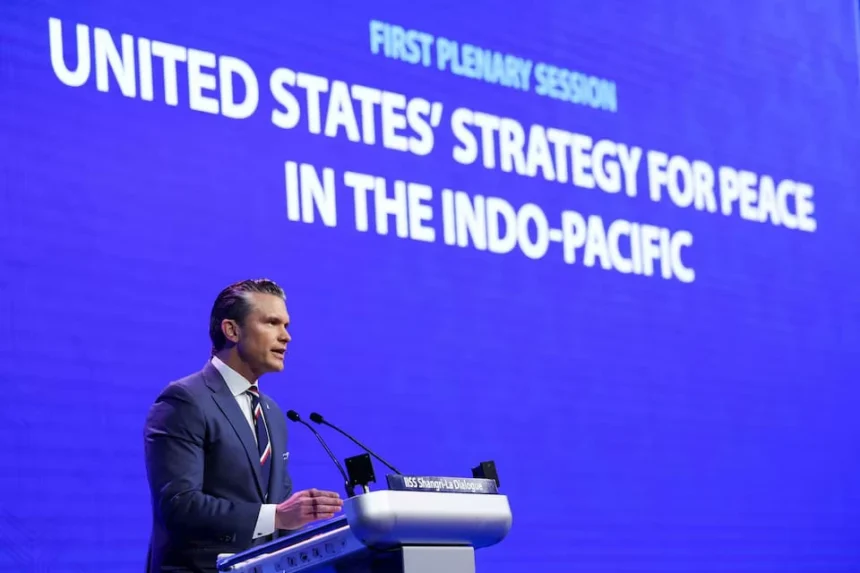
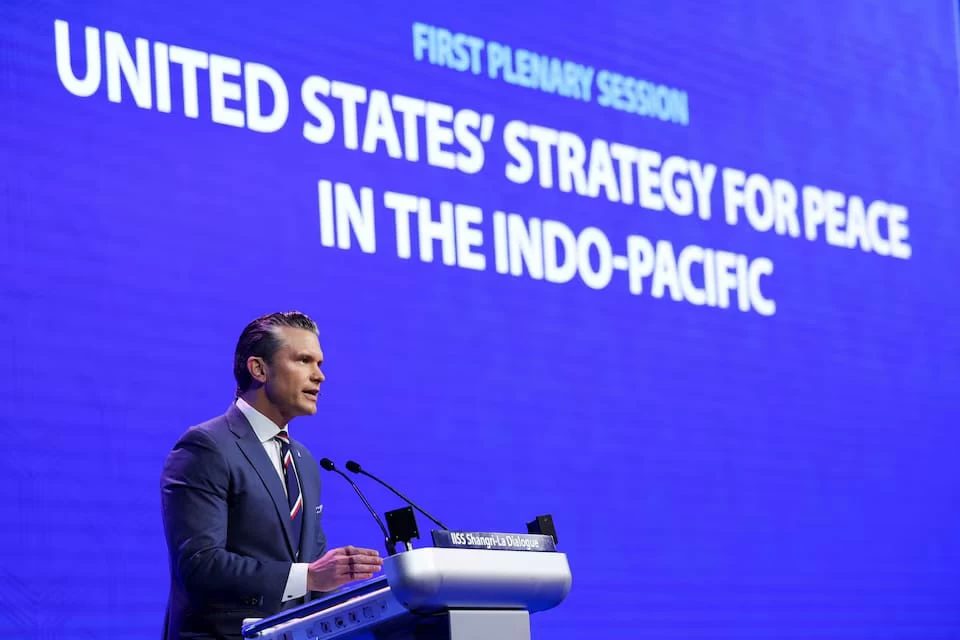
وخلال كلمته في منتدى «حوار شانغريلا» الأمني في سنغافورة، وهو أبرز تجمع آسيوي لقادة الدفاع والعسكريين والدبلوماسيين، أكد هيغسيث أن بناء شبكة قوية وأكثر اعتماداً على الذات من الحلفاء والشركاء يمثل عنصراً أساسياً لردع أي تهديدات محتملة وضمان الاستقرار الإقليمي.
وقال الوزير الأمريكي إن هناك «مخاوف مبررة» بشأن ما اعتبره أكبر عملية تحديث عسكري تشهدها الصين في تاريخها الحديث، مشيراً إلى اتساع نطاق أنشطتها العسكرية داخل المنطقة وخارجها.
وأضاف أن هيمنة أي قوة منفردة على منطقة المحيط الهادئ من شأنها أن تقوض التوازن القائم، مؤكداً أن الولايات المتحدة لن تسمح لأي دولة بفرض سيطرتها بما يهدد أمن وازدهار حلفائها.
دعوة لزيادة الإنفاق العسكري
وكشف هيغسيث أن واشنطن تتوقع من شركائها الآسيويين رفع موازناتهم الدفاعية إلى ما يعادل 3.5% من الناتج المحلي الإجمالي، بالتزامن مع خطط أمريكية لاستثمار نحو 1.5 تريليون دولار في تطوير قدراتها العسكرية.
وشدد على أن المطلوب حالياً هو تعزيز القدرات العسكرية العملية، قائلاً إن المنطقة تحتاج إلى «سفن وغواصات أكثر» بدلاً من الاكتفاء بالمنتديات والنقاشات السياسية، مع التأكيد على أن الهدف يبقى الحفاظ على الاستقرار وليس التصعيد.
علاقات أكثر هدوءاً مع بكين
ورغم التحذيرات من تنامي القوة الصينية، تبنى هيغسيث لهجة أقل حدة تجاه العلاقات الأمريكية الصينية، مشيراً إلى أنها تشهد تحسناً مقارنة بالسنوات الماضية، بفضل تكثيف قنوات الاتصال المباشر بين المؤسستين العسكريتين في البلدين.
وأوضح أن الحوار العسكري المنتظم يساعد في إدارة التوترات وتجنب سوء الفهم، في وقت وصف فيه مسؤولون صينيون مشاركون في المنتدى العلاقات بين البلدين بأنها «معقدة لكنها مستقرة»، مؤكدين وجود قنوات اتصال مفتوحة بين الجانبين.
ويأتي ذلك في ظل غياب وزير الدفاع الصيني عن المنتدى للعام الثاني على التوالي، بعدما اتهمت بكين العام الماضي مسؤولين أمريكيين بإطلاق تصريحات «تشوه صورة الصين».
لا مزيد من الاعتماد المجاني على واشنطن
وجدد وزير الدفاع الأمريكي موقف إدارة الرئيس دونالد ترمب الداعي إلى تحمل الحلفاء جزءاً أكبر من أعباء الدفاع عن أنفسهم، مؤكداً أن مرحلة تحمل الولايات المتحدة الجزء الأكبر من تكاليف حماية الدول الغنية قد انتهت.
وقال إن واشنطن تبحث عن «شركاء لا محميات»، مشدداً على أن قوة التحالفات تتطلب مساهمة الجميع في تحمل المسؤوليات الأمنية والمالية.
وأشاد في الوقت ذاته بالجهود التي تبذلها دول مثل كوريا الجنوبية والفلبين وأستراليا وسنغافورة وماليزيا وتايلاند، إضافة إلى اليابان التي وصف خطواتها لتعزيز قدراتها الدفاعية بأنها ملموسة ومتقدمة.
استعداد لاستئناف الضربات ضد إيران
وفي ما يتعلق بالشرق الأوسط، أكد هيغسيث أن الولايات المتحدة مستعدة لاستئناف العمليات العسكرية ضد إيران إذا أخفقت الجهود الدبلوماسية الجارية في التوصل إلى اتفاق بشأن الملف النووي.
وأوضح أن الإدارة الأمريكية لا تزال تفضل الحلول السياسية، لكن القدرات العسكرية الأمريكية جاهزة للتحرك إذا اقتضت الضرورة، مؤكداً أن الرئيس ترمب يسعى إلى اتفاق يضمن منع إيران من امتلاك سلاح نووي.
كما رفض الوزير الأمريكي المخاوف من أن تؤدي التطورات في الشرق الأوسط إلى تراجع اهتمام واشنطن بمنطقة آسيا والمحيط الهادئ، قائلاً إن الولايات المتحدة قادرة على إدارة أكثر من ملف إستراتيجي في الوقت نفسه.
ملف تسليح تايوان بانتظار قرار ترمب
وفي ملف تايوان، أكد هيغسيث أن السياسة الأمريكية لم تشهد أي تغيير، رغم التقارب النسبي الأخير بين واشنطن وبكين.
وأشار إلى أن قرار الموافقة على صفقة أسلحة أمريكية محتملة لتايوان، قد تصل قيمتها إلى 14 مليار دولار، يبقى بيد الرئيس ترمب شخصياً.
وأكد أن المخزونات العسكرية الأمريكية لا تزال في وضع جيد رغم الالتزامات الأمريكية في مناطق أخرى، وأن أي قرار مستقبلي بشأن مبيعات السلاح لتايوان سيعتمد على تقديرات البيت الأبيض وطبيعة العلاقة مع الصين خلال المرحلة القادمة.
وبذلك حملت تصريحات وزير الدفاع الأمريكي رسائل واضحة لحلفاء واشنطن وخصومها على حد سواء: تعزيز القدرات الدفاعية الآسيوية في مواجهة الصعود الصيني، والحفاظ على الضغط على إيران، مع إبقاء قنوات الحوار مفتوحة مع بكين لتجنب الانزلاق إلى مواجهة مباشرة.
U.S. Defense Secretary Pete Hegseth warned of the growing military capabilities of China, urging U.S. allies in Asia to increase their defense spending to counter what he described as China’s accelerating military expansion and to maintain the balance of power in the Asia-Pacific region.
During his speech at the Shangri-La Dialogue security forum in Singapore, the foremost Asian gathering of defense leaders, military officials, and diplomats, Hegseth emphasized that building a strong and more self-reliant network of allies and partners is a key element in deterring any potential threats and ensuring regional stability.
The U.S. Secretary stated that there are “justified concerns” regarding what he considers the largest military modernization effort China has seen in its modern history, pointing to the expansion of its military activities both within the region and beyond.
He added that the dominance of any single power over the Pacific region would undermine the existing balance, asserting that the United States will not allow any country to impose its control in a way that threatens the security and prosperity of its allies.
Call for Increased Military Spending
Hegseth revealed that Washington expects its Asian partners to raise their defense budgets to the equivalent of 3.5% of their GDP, coinciding with U.S. plans to invest about $1.5 trillion in developing its military capabilities.
He stressed that what is currently needed is to enhance operational military capabilities, stating that the region requires “more ships and submarines” instead of merely relying on forums and political discussions, while emphasizing that the goal remains to maintain stability and not escalate tensions.
Calmer Relations with Beijing
Despite warnings about the rise of Chinese power, Hegseth adopted a less harsh tone regarding U.S.-China relations, noting that they have improved compared to previous years, thanks to intensified direct communication channels between the military institutions of both countries.
He explained that regular military dialogue helps manage tensions and avoid misunderstandings, while Chinese officials participating in the forum described the relationship between the two countries as “complex but stable,” affirming that there are open communication channels between both sides.
This comes amid the absence of the Chinese Defense Minister from the forum for the second consecutive year, after Beijing accused U.S. officials last year of making statements that “distort China’s image.”
No More Free Reliance on Washington
The U.S. Defense Secretary reiterated the position of President Donald Trump’s administration calling for allies to bear a larger share of the burden of defending themselves, emphasizing that the era of the United States bearing the majority of the costs of protecting wealthy nations has ended.
He stated that Washington is looking for “partners, not protectorates,” stressing that the strength of alliances requires everyone’s contribution to security and financial responsibilities.
At the same time, he praised the efforts made by countries such as South Korea, the Philippines, Australia, Singapore, Malaysia, and Thailand, in addition to Japan, which he described as taking tangible and advanced steps to enhance its defense capabilities.
Preparedness to Resume Strikes Against Iran
Regarding the Middle East, Hegseth confirmed that the United States is prepared to resume military operations against Iran if ongoing diplomatic efforts fail to reach an agreement on the nuclear issue.
He clarified that the U.S. administration still prefers political solutions, but American military capabilities are ready to act if necessary, asserting that President Trump is seeking an agreement that ensures Iran does not acquire nuclear weapons.
The U.S. Secretary also dismissed concerns that developments in the Middle East would lead to a decrease in Washington’s interest in the Asia-Pacific region, stating that the United States is capable of managing more than one strategic file at a time.
The Taiwan Arms Issue Awaits Trump’s Decision
On the Taiwan issue, Hegseth confirmed that U.S. policy has not changed, despite the recent relative rapprochement between Washington and Beijing.
He noted that the decision to approve a potential U.S. arms deal for Taiwan, which could be valued at $14 billion, remains in the hands of President Trump personally.
He affirmed that U.S. military stockpiles are still in good shape despite American commitments in other areas, and that any future decision regarding arms sales to Taiwan will depend on White House assessments and the nature of the relationship with China in the coming phase.
Thus, the statements of the U.S. Defense Secretary carried clear messages to both Washington’s allies and adversaries alike: to enhance Asian defense capabilities in the face of China’s rise, to maintain pressure on Iran, while keeping communication channels open with Beijing to avoid slipping into direct confrontation.