

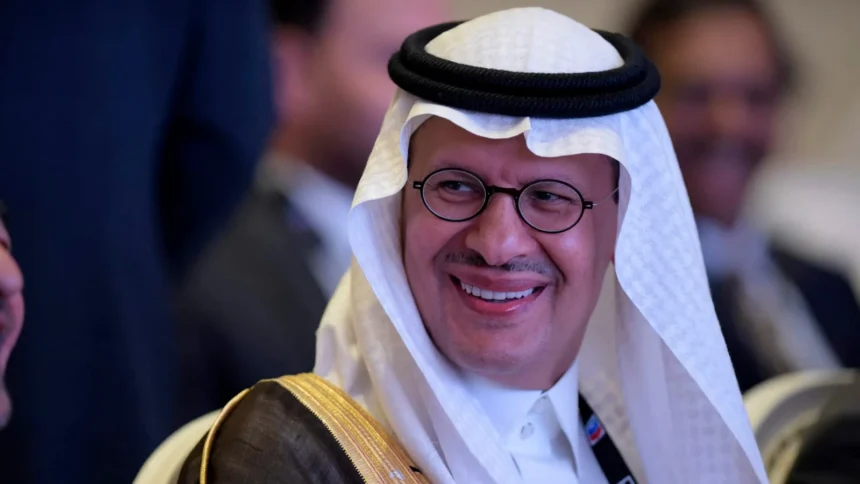
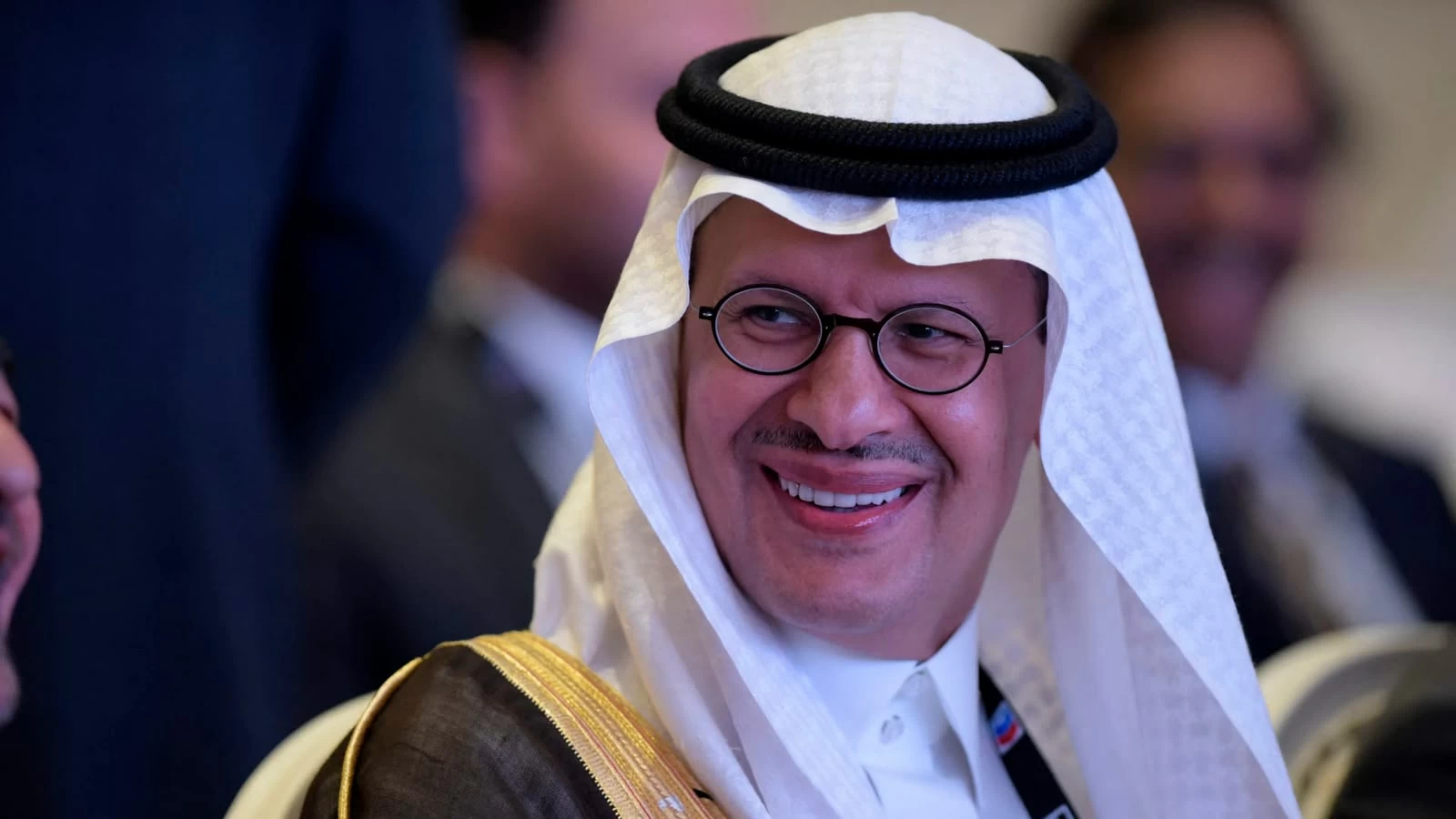
أكد وزير الطاقة الأمير عبد العزيز بن سلمان، أن السعودية ستواصل الوفاء بالتزاماتها تجاه أسواق الطاقة العالمية رغم التحديات الراهنة، مشدداً على أن أحداً لن يتمكن من كسر السعودية أو زعزعة تصميمها على مواصلة التقدم.
وقال خلال الكلمة الافتتاحية لمنتدى الطاقة الدولي في الرياض وفقًا لما أوردت الشرق، إن المملكة تعمل على تطوير خطوط أنابيب إضافية لتوفير مسارات بديلة تتفادى مضيق هرمز، بما يدعم استمرار وصول إمدادات الطاقة إلى الأسواق العالمية.
وأضاف أن تكلفة إنشاء مسارات بديلة أقل بكثير من تكلفة غيابها، في إشارة إلى أهمية رفع مرونة البنية التحتية للطاقة وتقليل مخاطر تعطل الإمدادات.
وأشار وزير الطاقة إلى أن ضمان أمن الطاقة لا يمكن أن تتحمل مسؤوليته دولة واحدة، بل يتطلب تعاونًا منسقًا بين جميع الدول، خصوصاً في ظل الظروف الحالية التي تفرض تحديات متزايدة على حركة الإمدادات والأسواق.
ولفت إلى أن غياب التنسيق قد يدفع الدول إلى التركيز بشكل منفرد على تأمين احتياجاتها من الطاقة، سواء من النفط والغاز أو المصادر المتجددة، مؤكدًا أهمية استمرار الحوار والتعاون بين مختلف الأطراف.
Energy Minister Prince Abdulaziz bin Salman confirmed that Saudi Arabia will continue to fulfill its commitments to global energy markets despite current challenges, emphasizing that no one will be able to break Saudi Arabia or shake its determination to continue progressing.
He stated during the opening speech at the International Energy Forum in Riyadh, according to what was reported by Asharq, that the Kingdom is working on developing additional pipelines to provide alternative routes that avoid the Strait of Hormuz, which supports the continued delivery of energy supplies to global markets.
He added that the cost of creating alternative routes is much lower than the cost of their absence, referring to the importance of enhancing the flexibility of energy infrastructure and reducing the risks of supply disruptions.
The Energy Minister pointed out that ensuring energy security cannot be the responsibility of a single country, but requires coordinated cooperation among all nations, especially in light of the current circumstances that impose increasing challenges on the flow of supplies and markets.
He noted that the lack of coordination could drive countries to focus individually on securing their energy needs, whether from oil and gas or renewable sources, stressing the importance of continuing dialogue and cooperation among various parties.