

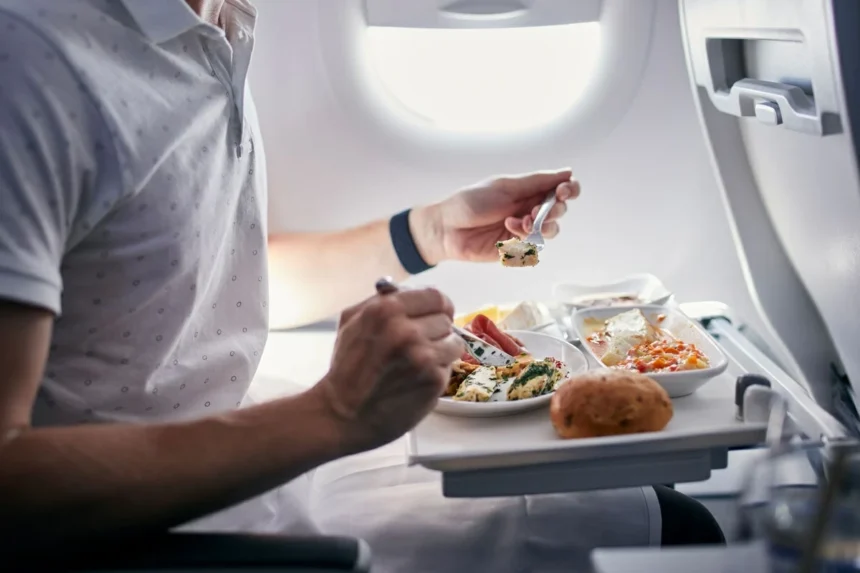
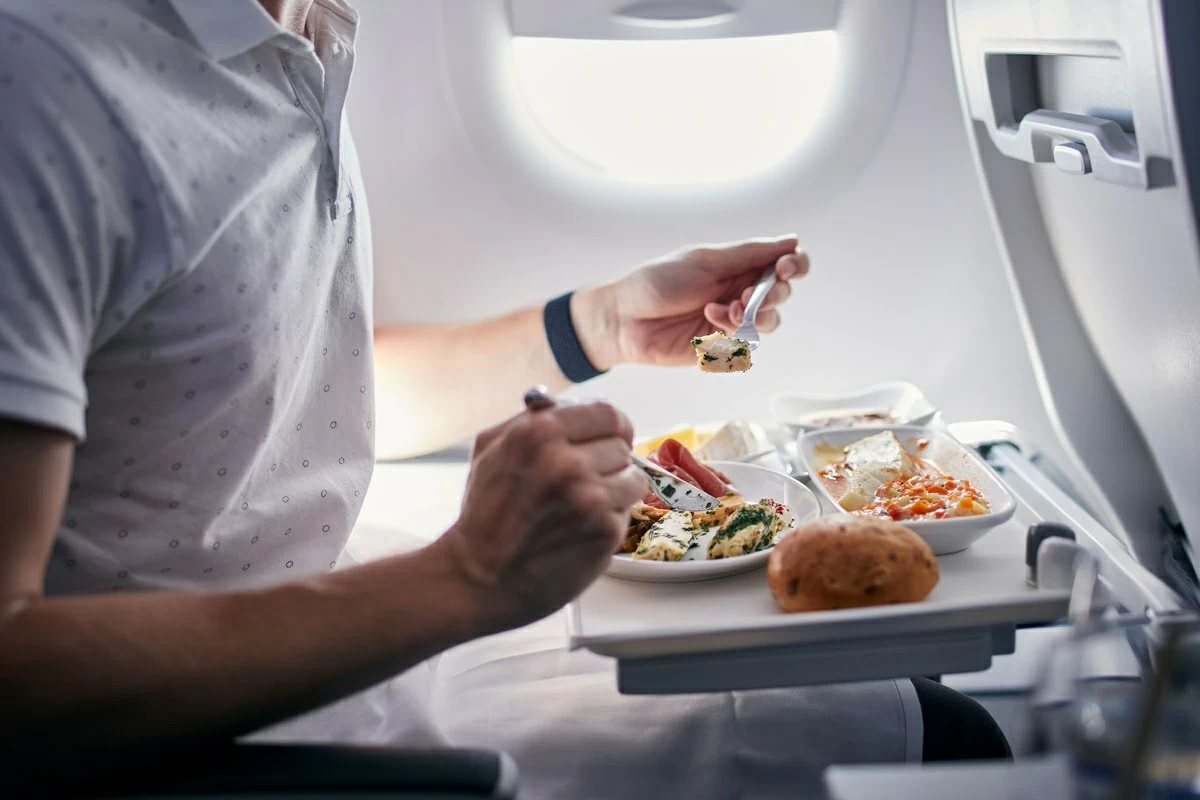
في عالم الطيران، لا شيء يأتي «مجاناً» عندما تضطرب الأسواق العالمية. وبينما تستمر تداعيات التوترات الجيوسياسية لاسيما التبعات الاقتصادية لـ«حرب إيران»، وجدت شركات طيران كبرى نفسها أمام «فاتورة وقود» باهظة، اضطرتها إلى اتخاذ قرارات قاسية طالت أكثر تفاصيل الرحلة بساطة: وجبات الطعام.
قد يبدو غريباً أن يرتبط «حقل نفط» بـ«شطيرة صغيرة» على ارتفاع 30 ألف قدم، لكن الحقيقة الاقتصادية واضحة، فأي اضطراب في أسعار النفط العالمية يترجم فوراً إلى ارتفاع حاد في تكاليف وقود الطائرات. ولأن الوقود يمثل الجزء الأكبر من تكاليف التشغيل لأي شركة طيران، لجأت شركات طيران غربية (وعلى رأسها «دلتا ايرلاينز») إلى إستراتيجية «تقليص الامتيازات» للسيطرة على عجز الميزانية.
«سياسة التقشف».. ماذا خسر المسافر؟
بدأت الشركات في إعادة تقييم «محتوى التذكرة» لتعويض خسائر الطاقة، مما انعكس مباشرة على الخدمات المقدمة للمسافرين:
حذف الوجبات: إلغاء تقديم الطعام والمشروبات المجانية على الرحلات القصيرة (أقل من 350 ميلاً).
- إعادة هيكلة الخدمات: توحيد الخدمات لتقليل الهدر وتقليص طواقم الضيافة والمواد الغذائية التي تُهدر.
- الدرجة الاقتصادية كخط دفاع أول: بينما لا يزال ركاب الدرجة الأولى يتمتعون بامتيازاتهم، أصبحت المقصورة الرئيسية هي «ساحة التقشف» الأولى التي يواجه فيها المسافر نقص الخدمات.
يزداد التباين بين الشركات وضوحاً، فبينما تقرر شركات مثل «دلتا» شد الأحزمة، تحاول شركات أخرى الحفاظ على جاذبيتها عبر تقديم خدمات مجانية حتى في أقصر الرحلات. ويخلق هذا التنافس واقعاً جديداً للمسافر: فهل أصبحت وجبة المسافر المجانية ضحية لتقلبات السياسة العالمية؟
ويحذر خبراء الطيران من أن قطاع السفر قد يكون بصدد تحول جذري نحو نموذج «الدفع مقابل كل شيء» (A La Carte)، حيث تتحول الخدمات الأساسية إلى إضافات اختيارية مدفوعة، وذلك كلما ارتفعت حدة التوتر في مناطق إنتاج الطاقة.
وفي المرة التي يطلب فيها المسافر مشروباً على متن رحلة قصيرة ولا يجده، يجب أن يتذكر أن فاتورة هذا القرار كُتبت في أسواق النفط العالمية وتأثرت بتوترات الجغرافيا السياسية. لقد أصبح السفر الجوي مرآة دقيقة لاقتصاد العالم، وأي «هزة» في الأسواق، تصل مباشرة إلى مقعد المسافر داخل الطائرة.
In the world of aviation, nothing comes “for free” when global markets are disrupted. As the repercussions of geopolitical tensions continue, particularly the economic fallout from the “Iran War,” major airlines have found themselves facing a hefty “fuel bill,” forcing them to make tough decisions that affect even the simplest details of the journey: meals.
It may seem strange to link an “oil field” with a “small sandwich” at 30,000 feet, but the economic reality is clear: any disruption in global oil prices immediately translates into a sharp increase in aircraft fuel costs. Since fuel represents the largest portion of operating costs for any airline, Western airlines (led by “Delta Airlines”) have resorted to a “privilege reduction” strategy to control budget deficits.
“Austerity Policy”… What has the traveler lost?
Companies have started to reevaluate the “ticket content” to compensate for energy losses, which has directly impacted the services provided to travelers:
Meal deletions: The cancellation of free food and beverages on short flights (less than 350 miles).
- Restructuring services: Standardizing services to reduce waste and minimize hospitality crews and food supplies that go to waste.
- Economy class as the first line of defense: While first-class passengers still enjoy their privileges, the main cabin has become the first “austerity arena” where travelers face a shortage of services.
The disparity between companies is becoming more apparent; while companies like “Delta” decide to tighten their belts, others are trying to maintain their appeal by offering free services even on the shortest flights. This competition creates a new reality for travelers: has the free meal for passengers become a victim of global political fluctuations?
Aviation experts warn that the travel sector may be on the verge of a radical shift towards a “pay-for-everything” (A La Carte) model, where basic services turn into optional paid add-ons, especially as tensions rise in energy-producing regions.
So, the next time a traveler requests a drink on a short flight and finds none, they should remember that the bill for this decision was written in the global oil markets and influenced by geopolitical tensions. Air travel has become a precise mirror of the world economy, and any “jolt” in the markets reaches directly to the traveler’s seat on the plane.