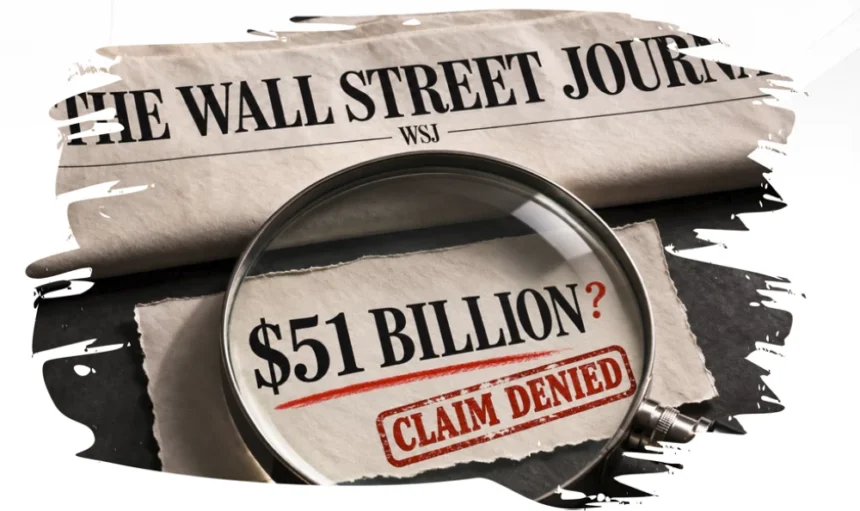
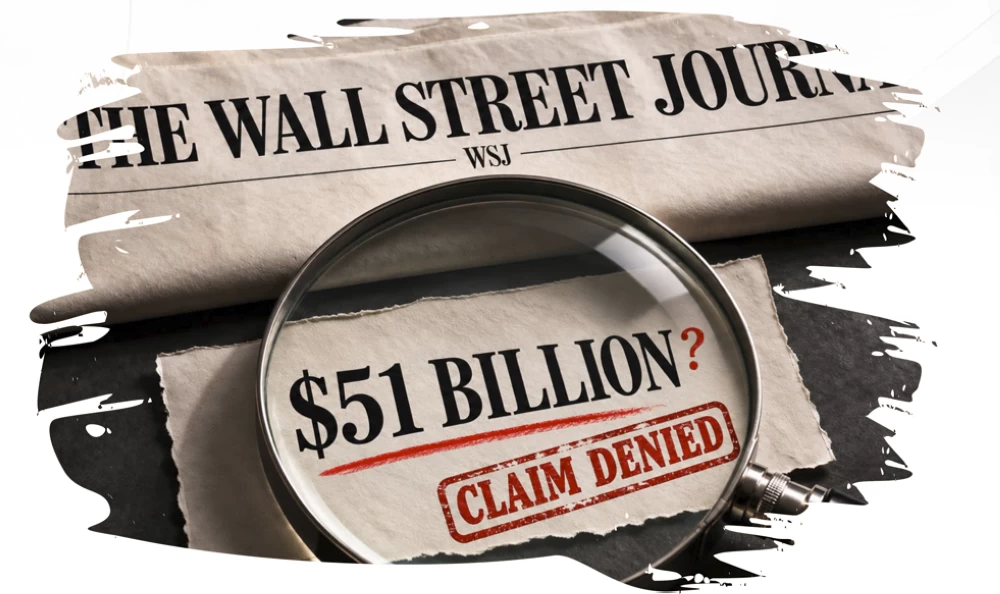
جاء نفي وزارة الخارجية السعودية ملجماً لرواية «وول ستريت جورنال» عن مطالبة الحوثيين الرياض بـ51 مليار دولار لوقف الهجمات، ومعرّياً خللاً كان يمكن لأي محرر أن يراه قبل النشر.
فالصحيفة كتبت مطلع تقريرها نقلاً عن من حضر المحادثات، ثم كشفت في الفقرة التالية أن روايتها جاءت عن أشخاص قالت إنهم أُطلعوا عليها. هكذا ورّطت الصحيفة اسمها في ادعاء كان أولى بها أن تستجوب ناقليه قبل أن تطلب من قرائها تصديقه.
في تقريرها المنشور في 5 نوفمبر، صاغت الصحيفة المبلغ باعتباره الجواب الذي تلقّته الرياض، والواحد المضاف إلى الخمسين مليار يوحي بأن وراء الرقم حساباً مفصلاً، لكن التقرير لا يعرض وثيقة تحمله، ولا يشرح كيف احتُسب أو كيف نُقل الطلب المزعوم. بل يقرّ بأن أرقاماً أخرى طُرحت مررها من يمكن وصفهم بالأغبياء، ثم يمنح هذا الرقم الصدارة دون أن يبيّن ما يرجّحه، وتلك سذاجة في الحبكة. فالرقم الذي أُريد له أن يقنع القارئ صار أسهل مدخل إلى تفكيك الرواية.
ووصف وكيل وزارة الخارجية رائد قرملي، المزاعم بأنها «لا أساس لها من الصحة». وأوردت الصحيفة النفي في تقريرها، وبقيت مسؤولية مكتب التحرير قائمة. فالصحيفة هي التي قررت أن رواية بهذا الإسناد تستحق أن تُكتب بصيغة الجزم. ومن حق قارئها، في التغطية التالية عن الشرق الأوسط، أن يتساءل كم مرة يُطلب منه أن يثق باسم الصحيفة أكثر مما تسمح به مادتها.
وقد يسبق شاهدٌ يحمل هاتفاً صحيفةً عريقة إلى ثقة الجمهور، إذا أراه من موقع الحدث ما يستطيع التحقق منه. وهذا ما يجعل سقطة «وول ستريت جورنال» أشد وطأة عليها. فاسمها الذي أقرضته للرواية هو ما وضعته على المحك، حين نشرت رقماً بهذه الدقة وتركت قارئها يبحث وحده عمّا يسنده.
توالي السقطات في مؤسسات إعلامية عالمية كبرى، يخسرها من رصيدها المهني بسبب مراسلين تحرّكهم أجندات خاصة بأن يمرّروا رواياتهم تحت اسمها.
هل تمارس غرف التحرير ما يكفي من التدقيق في تغطية الشرق الأوسط، بما فيها ما يكتبه مراسلوها العرب، أم تمنح معرفتهم بالمنطقة وزناً يغنيها عن سؤالهم عن الدليل والمصدر.
من يتحمّل مسؤولية السقطة المراسل الذي نسج الرواية من خيالاته برقم خرافي وغير منطقي، أم الصحيفة التي كان يفترض أن تمتحن المعلومة قبل أن تضع اسمها عليها.
The denial from the Saudi Ministry of Foreign Affairs came as a rebuttal to the “Wall Street Journal” story about the Houthis demanding $51 billion from Riyadh to stop the attacks, exposing a flaw that any editor could have seen before publication.
The newspaper wrote at the beginning of its report, citing those who attended the talks, and then revealed in the following paragraph that its account came from individuals it said were briefed on it. Thus, the newspaper compromised its name by making a claim that it should have questioned its sources about before asking its readers to believe it.
In its report published on November 5, the newspaper framed the amount as the response Riyadh received, and the additional one to the fifty billion suggests that there is a detailed calculation behind the figure. However, the report does not present a document to support it, nor does it explain how the alleged request was calculated or conveyed. It even acknowledges that other figures were mentioned, passed on by those who could be described as foolish, yet it gives prominence to this number without clarifying what substantiates it, which is a naivety in the narrative. The number that was meant to convince the reader has become an easier entry point to dismantle the story.
The Deputy Foreign Minister, Raed Qarmali, described the allegations as “baseless.” The newspaper included the denial in its report, but the responsibility of the editorial office remains. It was the newspaper that decided that a narrative with such attribution deserved to be written in the definitive form. Its readers, in the subsequent coverage of the Middle East, have the right to wonder how many times they are asked to trust the name of the newspaper more than its content allows.
A witness holding a phone may precede a prestigious newspaper in gaining the public’s trust if he shows them something verifiable from the scene. This is what makes the “Wall Street Journal” fall more severe. The name it lent to the narrative is what it put at stake when it published a figure with such precision and left its reader to search alone for what supports it.
The series of blunders in major global media institutions costs them from their professional credibility due to reporters driven by personal agendas to pass their narratives under its name.
Do editorial rooms exercise enough scrutiny in covering the Middle East, including what their Arab correspondents write, or do they grant their knowledge of the region a weight that exempts them from questioning them about evidence and sources?
Who bears the responsibility for the blunder: the reporter who wove the narrative from his imagination with an outrageous and illogical number, or the newspaper that was supposed to vet the information before placing its name on it?