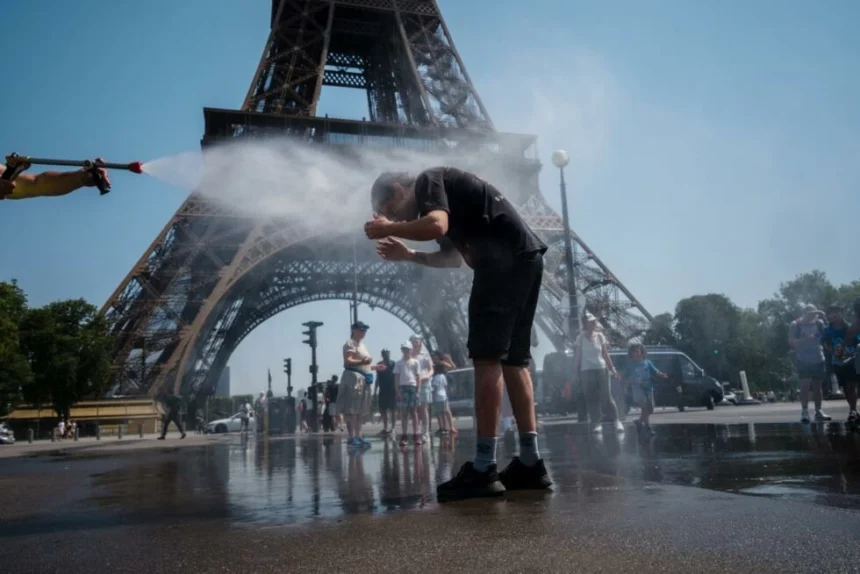
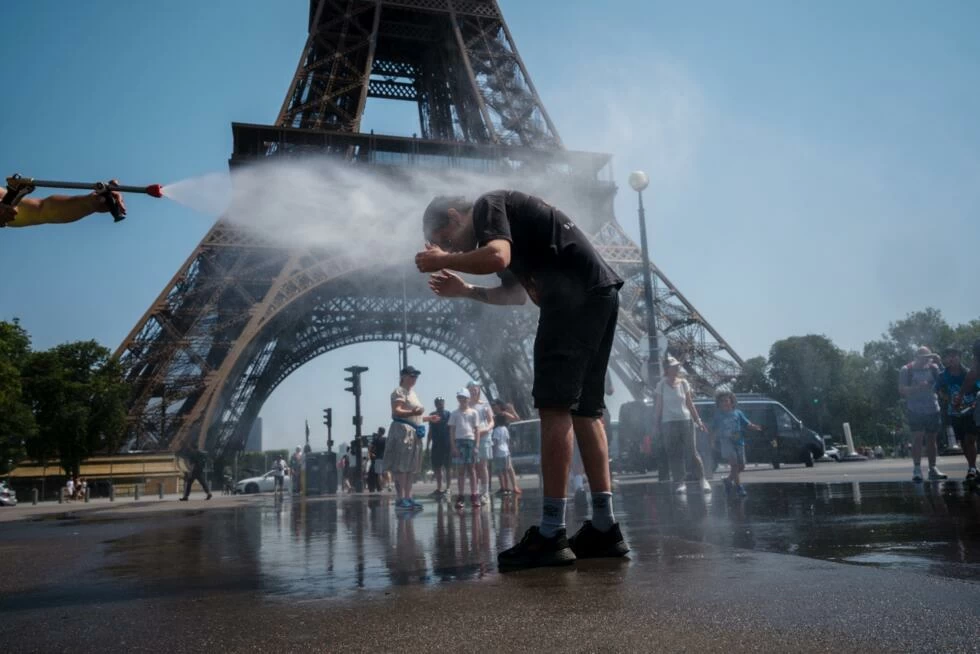
تسببت موجات الحر التي ضربت أوروبا خلال صيف هذا العام في وفاة أكثر من 50 ألف شخص، وفقاً لدراسة علمية جديدة رصدت ارتفاع الوفيات المرتبطة بالحرارة في مئات المدن الأوروبية، وربطت نحو ثلثي هذه الوفيات بالاحترار الناجم عن الأنشطة البشرية.
وقدّر الباحثون، الذين درسوا الوفيات المرتبطة بالحرارة في 854 مدينة أوروبية خلال أشهر يونيو ويوليو وأغسطس، أن 50 ألفاً و391 شخصاً لقوا حتفهم بسبب درجات الحرارة المرتفعة، وفقاً لدراسة من المقرر نشرها في عدد مقبل من مجلة «نيتشر هيلث» العلمية.
ومن بين هذه الوفيات، عزا الباحثون 32 ألفاً و619 حالة إلى الحرارة الإضافية المرتبطة بحرق الفحم والنفط والغاز، وهي مصادر رئيسية لانبعاثات الغازات المسببة للاحتباس الحراري.
وتزيد حصيلة هذا الصيف بنسبة 71% على عدد الوفيات المقدرة خلال صيف عام 2022، الذي شهد وفاة 29 ألفاً و480 شخصاً بسبب الحرارة في المدن الأوروبية نفسها، وفقاً لدراسة سابقة أعدها الفريق البحثي ذاته.
لكن الباحثين حذروا من أن الحصيلة الفعلية قد تكون أعلى من الأرقام المعلنة، إذ لا تشمل تقديرات الدراسة موجة الحر التي شهدتها أوروبا في مايو، كما تقتصر على 854 مدينة يقطنها نحو 40% من سكان القارة، ولا تغطي جميع المناطق الأوروبية.
وسجلت إيطاليا وفرنسا وإسبانيا وألمانيا أعلى أعداد الوفيات المرتبطة بالحرارة، في مؤشر إلى اتساع تأثير موجات الحر على القارة، بما يشمل الدول ذات الكثافة السكانية المرتفعة والمناطق التي تتعرض لفترات طويلة من درجات الحرارة الشديدة.
وفي سياق متصل، أظهرت دراسة سابقة للفريق البحثي أن العاصمة الإيطالية روما سجلت أعلى إجمالي للوفيات المرتبطة بالحرارة بين العواصم الأوروبية خلال الفترة من عام 2000 إلى عام 2025، ما يسلط الضوء على المخاطر المتزايدة التي تواجه المدن الكبرى، حيث تحتفظ المباني والطرق بالحرارة وتقل فرص التبريد الطبيعي، خصوصاً خلال الليل.
وتشكل موجات الحر أحد أخطر تداعيات تغير المناخ على الصحة العامة، إذ يمكن أن تؤدي درجات الحرارة المرتفعة إلى الإجهاد الحراري والجفاف واضطراب وظائف القلب والكلى، كما تزيد العبء على أجهزة الرعاية الصحية، ولا سيما لدى كبار السن والمصابين بأمراض مزمنة والأشخاص الذين يعملون في الهواء الطلق.
وتتفاقم المخاطر في المدن بفعل ما يُعرف بـ«الجزيرة الحرارية الحضرية»، وهي ظاهرة ترتفع فيها درجات الحرارة داخل المناطق المبنية مقارنة بالمناطق المحيطة بها، نتيجة امتصاص الأسفلت والخرسانة للحرارة وقلة المساحات الخضراء. وقد يؤدي استمرار ارتفاع درجات الحرارة ليلاً إلى تقليص فرص الجسم في التعافي من الإجهاد الحراري خلال النهار.
ويؤكد الباحثون أن الاحترار الناجم عن الأنشطة البشرية يزيد احتمالات التعرض لموجات حر أشد وطأة، من خلال تراكم الغازات الدفيئة الناتجة عن استخدام الوقود الأحفوري. ومع ذلك، فإن تقدير الوفيات المنسوبة إلى تغير المناخ يعتمد على نماذج تقارن الظروف الحرارية الفعلية بظروف افتراضية كان من الممكن أن تسود في غياب الاحترار البشري المنشأ.
The heatwaves that hit Europe during the summer of this year caused the deaths of more than 50,000 people, according to a new scientific study that tracked the rise in heat-related deaths in hundreds of European cities and linked about two-thirds of these deaths to warming caused by human activities.
The researchers, who studied heat-related deaths in 854 European cities during the months of June, July, and August, estimated that 50,391 people died due to high temperatures, according to a study set to be published in an upcoming issue of the scientific journal “Nature Health.”
Among these deaths, the researchers attributed 32,619 cases to the additional heat associated with burning coal, oil, and gas, which are major sources of greenhouse gas emissions.
This summer’s toll is 71% higher than the estimated number of deaths during the summer of 2022, which saw 29,480 people die from heat in the same European cities, according to a previous study conducted by the same research team.
However, the researchers warned that the actual toll may be higher than the reported figures, as the study’s estimates do not include the heatwave that occurred in Europe in May, and are limited to 854 cities inhabited by about 40% of the continent’s population, not covering all European regions.
Italy, France, Spain, and Germany recorded the highest numbers of heat-related deaths, indicating the expanding impact of heatwaves on the continent, including countries with high population density and areas exposed to prolonged periods of extreme temperatures.
In a related context, a previous study by the research team showed that the Italian capital, Rome, recorded the highest total of heat-related deaths among European capitals from 2000 to 2025, highlighting the increasing risks faced by major cities, where buildings and roads retain heat and natural cooling opportunities are reduced, especially during the night.
Heatwaves represent one of the most dangerous consequences of climate change on public health, as high temperatures can lead to heat stress, dehydration, and disruption of heart and kidney functions, while also increasing the burden on healthcare systems, particularly among the elderly, those with chronic illnesses, and people working outdoors.
The risks in cities are exacerbated by what is known as the “urban heat island” effect, a phenomenon where temperatures rise within built-up areas compared to surrounding areas, due to the heat-absorbing properties of asphalt and concrete and the lack of green spaces. Continued high temperatures at night can reduce the body’s chances of recovering from heat stress during the day.
The researchers emphasize that warming caused by human activities increases the likelihood of experiencing more severe heatwaves, through the accumulation of greenhouse gases resulting from fossil fuel use. However, estimating deaths attributed to climate change relies on models that compare actual thermal conditions with hypothetical conditions that could have prevailed in the absence of human-induced warming.