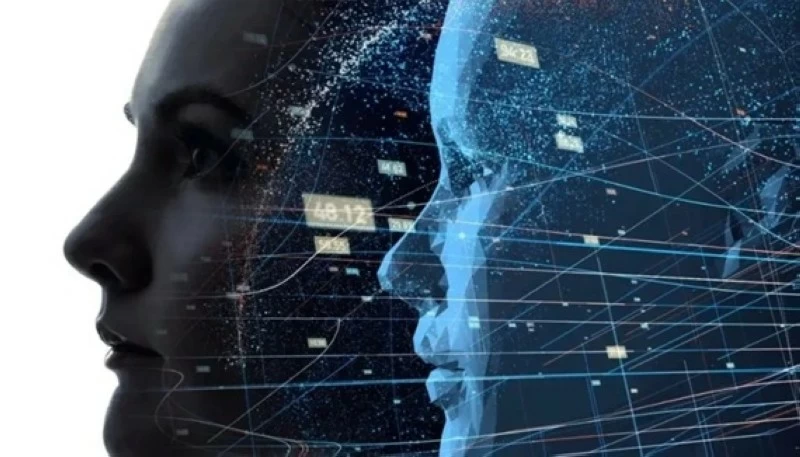
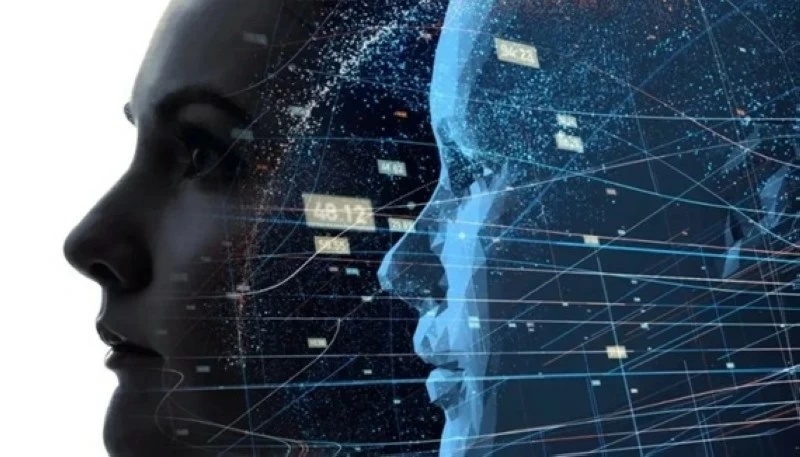
لم يعد الاستيقاظ في 2026 مجرد بداية يوم، بل لحظة تفقد ما أنجزته «نسختك الأخرى» وأنت نائم. ستجد أن رسائل أُرسلت، تقارير كُتبت، مواعيد أُعيد ترتيبها، وحتى قرارات أولية صيغت بلهجتك أنت. ولم يعد الذكاء الاصطناعي مساعدًا ذكيًا فحسب، بل تحوّل إلى «توأم رقمي» يحمل بصمتك المهنية ويعمل باسمك.
هذه ليست مبالغة تقنية، بل واقع يتشكل سريعًا داخل الشركات والمؤسسات، حيث صار بناء نسخة رقمية منك خطوة إستراتيجية لا رفاهية.
من أداة إلى شريك ظل
التوأم الرقمي ليس روبوتًا يجيب عن الأسئلة، بل نموذج مدرَّب على:
- نبرة صوتك
- طريقة تفكيرك
- أسلوبك في الإقناع
- أولوياتك عند اتخاذ القرار
هو نسخة تتعلم منك باستمرار. كل بريد إلكتروني تكتبه، كل عرض تقديمي تلقيه، كل ملاحظة تسجلها: تصبح مادة خام تُشكّل شخصيته الرقمية.
البعض يرى الفكرة مقلقة. لكن في بيئة عمل تلتهم الوقت والجهد، يراها آخرون وسيلة للنجاة من الإرهاق المزمن.
كيف تصنع «نسختك» الخاصة؟
أولًا: امنحه هويتك
اجمع كل ما يمثل بصمتك المهنية:
- رسائل بريد حديثة
- مقالات أو تدوينات
- عروض تقديمية
- سيرتك الذاتية
ثم اطلب من النموذج تحليل أسلوبك وبناء دليل يعكس هويتك الكتابية ومنطقك المهني. الفكرة ليست أن يكتب «بشكل جيد»، بل أن يكتب «مثلك».
ثانيًا: حدّد دوره بدقة
لا تقل له «ساعدني في عملي».
قل له مثلًا:
- اكتب مسودات LinkedIn بنبرة تحليلية حازمة.
- لخّص الاجتماعات مع إبراز القرارات والتوصيات.
- اقترح ردودًا تفاوضية تحافظ على العلاقة دون تنازل جوهري.
كلما كنت دقيقًا، بدا التوأم أكثر إقناعًا.
ثالثًا: اربطه بالتنفيذ
في مرحلته المتقدمة، لا يكتفي التوأم بالاقتراح.
يمكن ربطه بالتقويم، وإعداد أنظمة أتمتة، وتعليمه قواعد قرار واضحة:
«إذا تجاوز الطلب سقف المخاطرة، أوقف التنفيذ وأرسل تنبيهًا».
هنا ينتقل من كاتب ذكي إلى مساعد تنفيذي يعمل بلا توقف.
رابعًا: درّبه كما تدرب موظفًا جديدًا
التوأم الرقمي لا يولد مثاليًا.
- اختبره بأسئلة صعبة.
- صحّح أخطاءه.
- أعد صياغة تعليماته عندما يبدو «آليًا».
مع الوقت، ستلاحظ أنه يتبنى لغتك ويمتص أسلوبك بدقة مدهشة.
هل نحن أمام استبدال البشر؟
الواقع أكثر تعقيدًا. الهدف ليس إقصاء الإنسان، بل تحريره من الأعمال المتكررة والمستهلكة ذهنيًا.
التوأم الرقمي يتولى الروتين، وأنت تحتفظ بالإستراتيجية، والإبداع، والعلاقات.
لكن السؤال الحقيقي لم يعد:
«هل سيأخذ الذكاء الاصطناعي وظيفتي؟»، بل أصبح: «هل أمتلك نسخة مني تعمل بينما أنام أم أن الآخرين سبقوني؟».
Waking up in 2026 is no longer just the start of a day; it’s a moment to check what your “other self” has accomplished while you were asleep. You will find that messages have been sent, reports written, appointments rearranged, and even preliminary decisions formulated in your own tone. Artificial intelligence has transformed from a smart assistant into a “digital twin” that carries your professional fingerprint and works in your name.
This is not a technical exaggeration but a rapidly forming reality within companies and institutions, where building a digital version of yourself has become a strategic step rather than a luxury.
From Tool to Shadow Partner
The digital twin is not a robot that answers questions; it is a model trained on:
- Your tone of voice
- Your way of thinking
- Your persuasion style
- Your priorities in decision-making
It is a version that continuously learns from you. Every email you write, every presentation you deliver, every note you take: they become raw material that shapes its digital personality.
Some find the idea concerning. However, in a work environment that consumes time and effort, others see it as a means to escape chronic burnout.
How to Create Your Own “Version”?
First: Give it Your Identity
Gather everything that represents your professional fingerprint:
- Recent emails
- Articles or blog posts
- Presentations
- Your resume
Then ask the model to analyze your style and build a guide that reflects your writing identity and professional logic. The idea is not for it to write “well,” but to write “like you.”
Second: Define Its Role Precisely
Do not tell it “help me with my work.”
Instead, say something like:
- Write LinkedIn drafts in a firm analytical tone.
- Summarize meetings highlighting decisions and recommendations.
- Suggest negotiation responses that maintain the relationship without substantial concessions.
The more precise you are, the more convincing the twin appears.
Third: Link It to Execution
In its advanced stage, the twin does not just suggest.
It can be linked to the calendar, set up automation systems, and taught clear decision rules:
“If the request exceeds the risk threshold, halt execution and send an alert.”
Here, it transitions from a smart writer to an executive assistant that works non-stop.
Fourth: Train It Like You Would a New Employee
The digital twin is not born perfect.
- Test it with tough questions.
- Correct its mistakes.
- Rephrase its instructions when it seems “robotic.”
Over time, you will notice it adopting your language and absorbing your style with astonishing accuracy.
Are We Facing Human Replacement?
The reality is more complex. The goal is not to exclude humans but to free them from repetitive and mentally exhausting tasks.
The digital twin takes on the routine, while you retain strategy, creativity, and relationships.
But the real question is no longer:
“Will AI take my job?” Instead, it has become: “Do I have a version of myself working while I sleep, or have others beaten me to it?”